Photo Credit: CityNews Edmonton
A Record-Breaking Year for Edmonton’s Urban Forest
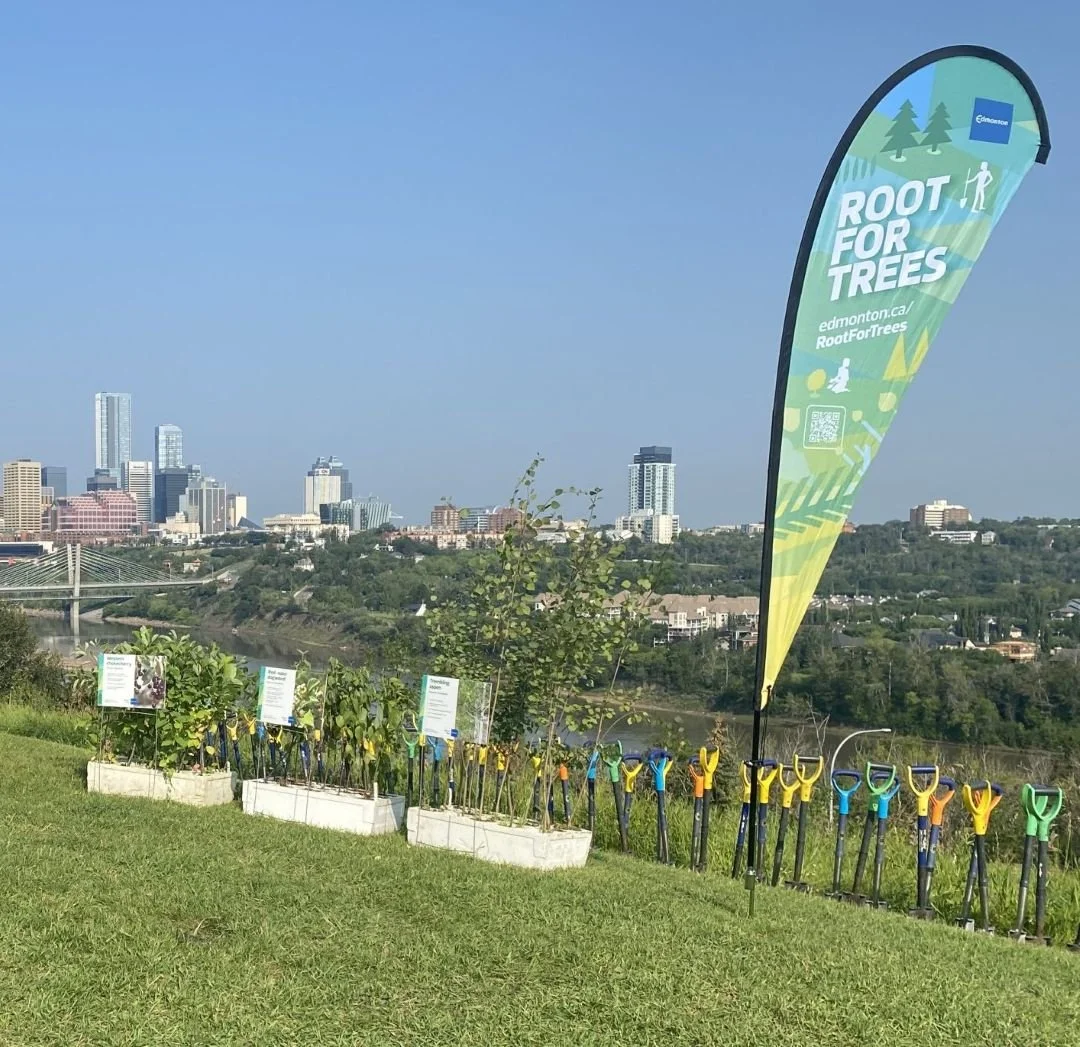
Edmonton set a new record in 2025 by planting 484,091 trees and shrubs, significantly expanding the city’s urban forest. This surpasses the 2024 total of 342,157 plantings, with most work delivered through the City’s naturalization program and the volunteer‑powered Root for Trees initiative, which alone added over 45,000 trees and shrubs. Plantings took place at 59 locations across the city, and the Grow Together program helped ensure a more equitable canopy by adding boulevard and open‑space trees in three neighbourhoods.
These “net new” trees move Edmonton closer to its long‑term City Plan goals of planting 2 million trees and reaching 20 per cent canopy cover by 2071; since 2021, 810,546 trees and shrubs have been planted toward that target. The work is supported by $48 million from the federal 2 Billion Trees program and about $66 million in approved municipal capital funding, with planting running from 2022 through 2030. City and federal officials emphasize that a larger, healthier urban forest will improve air quality, enhance climate resilience, support biodiversity and make neighbourhoods cooler, greener and more welcoming for residents.
For more information, head to Root for Trees | City of Edmonton. If you are looking to receive program updates, fun facts about trees and interesting nature-themed activities to do around Edmonton, sign up for the Canopy Newsletter here.
Photo Credit: Nature Conservancy Canada
Local Land Donation Protects 39 Hectares of RV Habitat
An Edmonton resident, Ken Casey, has donated his 39-hectare property near Genesee Lake in Leduc County to the Nature Conservancy of Canada (NCC), where it will be known as Casey Forest. The land lies along the North Saskatchewan River and contains largely untouched mixed-wood forest and wetlands that help provide clean water to nearby communities.
NCC notes that the property has a very high biodiversity index, meaning many different plant and animal species live there, including spruce, poplar, aspen, willow, and alder. Species of concern observed near the site include Peregrine falcons, Barred owls, and American kestrels, adding to the ecological importance of protecting this habitat.
Casey Forest connects with other conserved parcels along the river, creating a growing network of protected land that now covers roughly 106 hectares of forest and shoreline in that area. The donation was made through the federal Ecological Gifts Program, which offers tax incentives for conserving ecologically significant land, and NCC credits partners such as Cenovus Energy for helping make the project possible for future generations.
Local man donates beloved section of land near Genesee Lake to NCC | Devon Dispatch
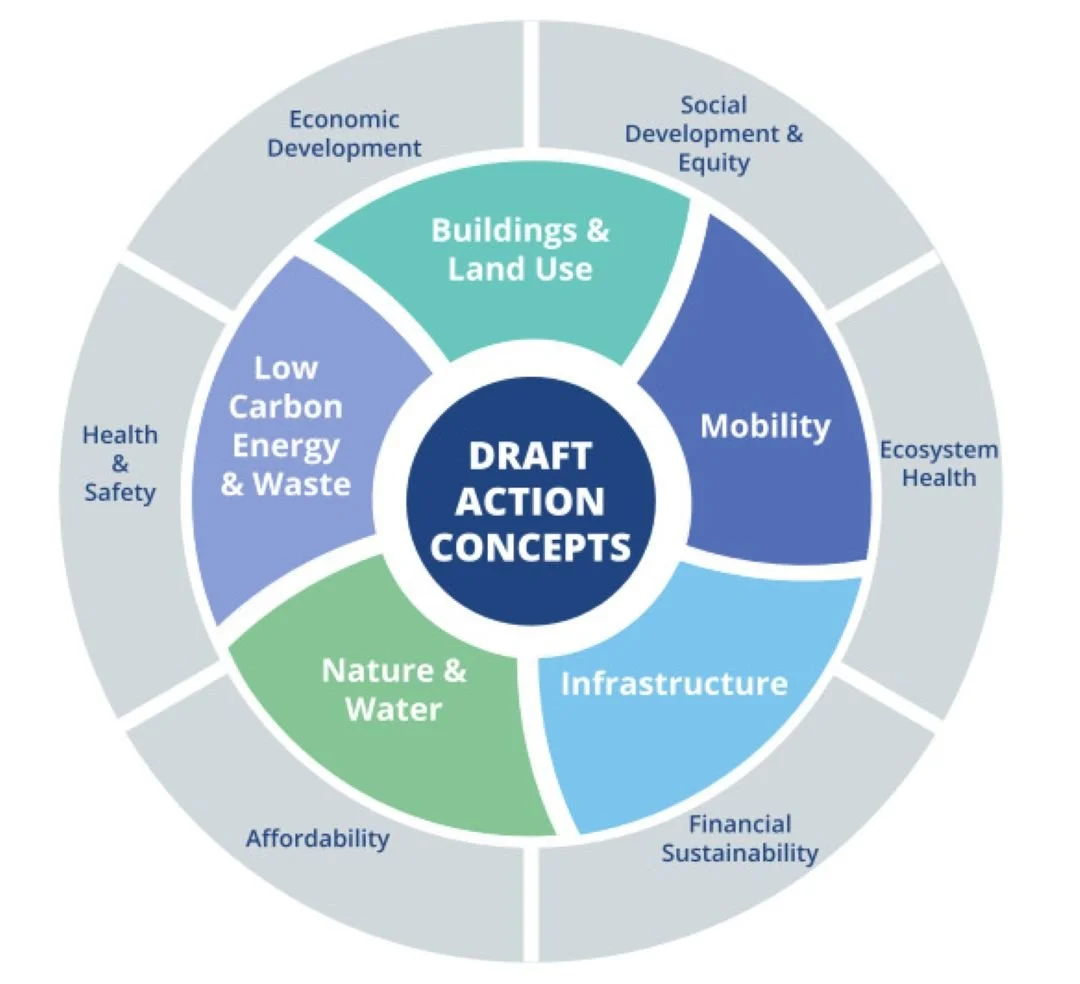
Photo Credit: City of Edmonton
Shaping Edmonton’s Climate Future and River Valley Trails
Edmonton is asking residents to help shape how the city responds to climate change at the same time as it invests in the future of the river valley. The City is updating its 2027–2030 Climate Action Plan and developing a new Wildland-Urban Interface Wildfire Risk Strategy, with online engagement open into December and January so people can share priorities for reducing emissions, adapting to hotter, drier summers, and protecting natural areas, including the river valley. To participate in public engagement opportunities for the Climate Action Plan, visit engaged.edmonton.ca/climateactionplan by January 20, 2026. Residents can also review the draft Wildland-Urban Interface Wildfire Risk Strategy overview and share their thoughts from December 8 - 22 by visiting engaged.edmonton.ca/wildfirestrategy.
Furthermore, the City Council’s recent fall budget adjustments add a one-time investment of $1.6 million to develop a River Valley trail strategy, which will guide how Edmonton plans, connects and maintains trails along the North Saskatchewan River while balancing recreation, access and environmental protection. The same budget decisions also respond to broader financial pressures, resulting in a 6.9 percent property tax increase for 2026—approximately $816 per $100,000 of assessed home value for the average household—and begin restoring the City’s Financial Stabilization Reserve so it is better prepared for future shocks.
Taken together, the new funding and engagement opportunities give Edmontonians a chance to influence both the long-term vision and near-term plans for the river valley and the wider city. Residents can weigh in on climate priorities, wildfire risk management and neighbourhood planning through the City’s online engagement hub Engaged Edmonton, helping ensure budget choices and strategies on paper reflect community values on the ground.
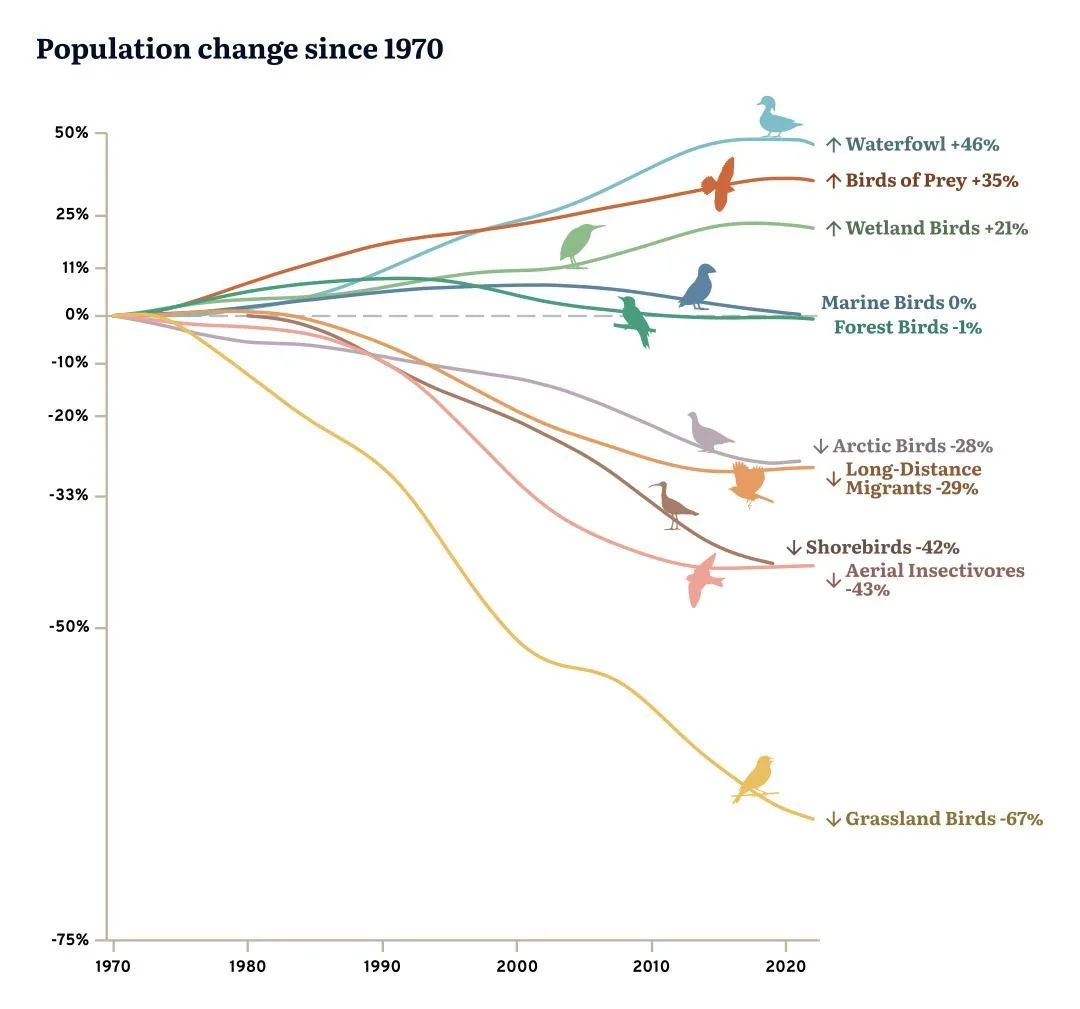
Photo Credit: naturecounts.ca
Quieter Skies: Why a Healthy RV Matters for Declining Bird Populations
Bird populations are declining across Canada, and Edmonton’s river valley is one of the most important local refuges we have to help slow that trend. National assessments show that over one-third of regularly occurring Canadian bird species have declined since 1970, with especially steep drops for grassland birds and insect‑eating aerial insectivores such as swallows and swifts. These losses are linked to habitat destruction, climate change, pesticides, and falling insect abundance, which together make it harder for birds to find food, nesting sites, and safe migration routes.
In Edmonton, people notice this as quieter skies over their neighbourhoods and fewer birds at feeders or along familiar trails. Citizen‑science programs and monitoring projects, such as Project FeederWatch, report that some winters and breeding seasons now bring fewer individual birds to typical observation sites, and climate‑driven shifts in weather and food can move birds away from places where they used to be common. Declining insect populations add another layer of pressure, especially on species that rely heavily on flying insects during breeding and migration.
The North Saskatchewan River valley cuts a green corridor through the city, offering a mix of forests, wetlands, and open areas that still support rich communities of birds and the insects they depend on. Protecting and restoring this landscape—through measures like limiting habitat fragmentation, expanding naturalized areas, planting native trees and shrubs, and carefully planning new trails—helps safeguard nesting sites, stopover habitat, and food webs that birds need to recover. In a time of broad declines, keeping the river valley healthy and connected is one of the most direct ways Edmontonians can support birds, insects, and the wider web of life close to home.
The State of Canada’s Birds Report
Vanishing birdsong: How climate change is altering Canada’s soundscape | Canadian Geographic
Trends and Highlights from the 2022-23 Project FeederWatch Season - Birds Canada

Louis Riel / Heather Shillinglaw / 1996 / acrylic on plaster
St. Albert and the Northwest Resistance at Musée Héritage Museum, St. Albert Place
Date: November 25 to April 4
In the spring of 1885, the Government of Canada officially took up arms against its citizens for the only time in the nation’s history. The 1885 Northwest Resistance brought widespread unrest to the Prairies. St. Albert was significantly invested in the conflict as the Sea of the Dioceses and a predominantly Métis community. Discover the role of St. Albert in the build-up and during the conflict, as well as the aftermath of the 1885 Northwest Resistance.
Comment or Contributions
Please note that articles may not reflect the position of NSRVCS. River Valley News is meant to be a clearinghouse for the variety of opinions and ideas about Edmonton’s River Valley.
Email river valley photos, event information, comments, or questions to nsrivervalley@gmail.com.
Forward this link to anyone you think may want to sign up for this newsletter https://www.edmontonrivervalley.org/newsletter-signup