
Photo credit: CTV News Edmonton
Plastic Pollution Concerns: Brushing vs. Blading
The Edmonton River Valley Conservation Coalition (ERVCC) is raising alarms over plastic pollution caused by city snow-clearing equipment. Chair Kristine Kowalchuk reports that volunteers collected 430 blue plastic bristles on the Tawatinâ Bridge this month alone, part of a staggering 16,618 bristles and thousands of wire fragments gathered by the group since 2019. These materials often end up in the North Saskatchewan River, contributing to microplastic contamination that harms local fish, birds, and wildlife.
To mitigate the environmental impact, the ERVCC is advocating for the city to swap mechanical brushes for traditional blades on bridges. However, Ward Métis Councillor Ashley Salvador noted that the Tawatinâ Bridge’s specific surface coating may not withstand metal blades. While the city maintains that operators are trained to sweep away from bridge edges and perform spring cleanups, conservationists argue that current measures are failing to keep these persistent pollutants out of the river ecosystem.
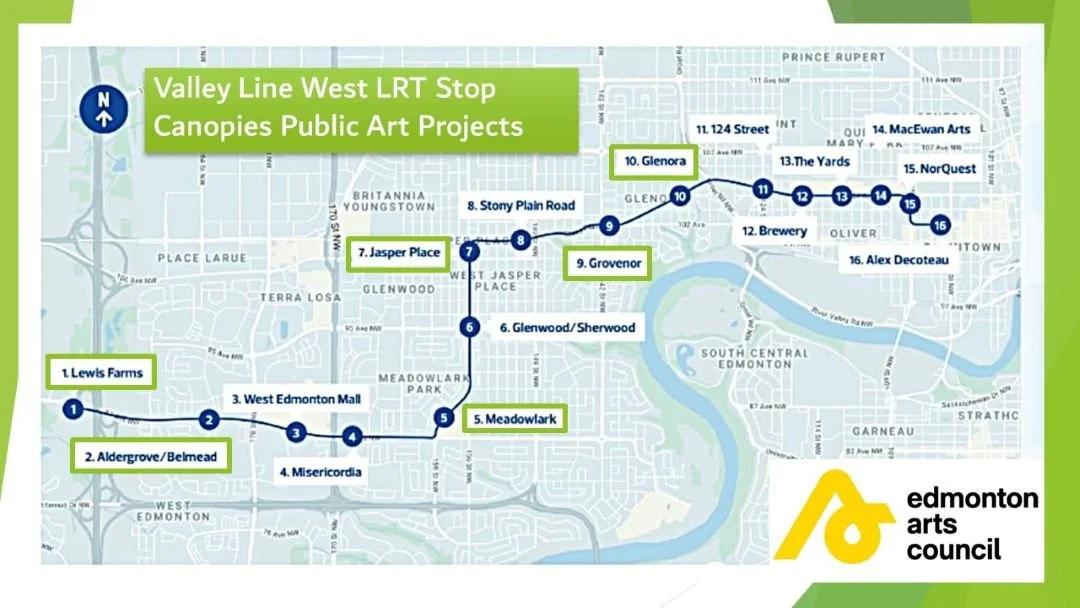
Call for Artists: Valley Line West LRT Canopy Art
As construction for the Valley Line West LRT remains on schedule for an anticipated 2028 completion, the project is shifting focus from major roadwork to the installation of tracks and street-level station infrastructure designed to reduce Edmonton's annual greenhouse gas emissions by over 5,000 metric tons.
To further integrate this sustainable transit corridor into the urban fabric, the Edmonton Arts Council is commissioning six artists or teams to design permanent canopy artwork for the Glenora, Grovenor/142 Street, Jasper Place, Meadowlark, Aldergrove/Belmead, and Lewis Farms stops.
Canadian residents are invited to submit their qualifications by February 25, 2026, to compete for an all-inclusive $110,000 budget per location, with a focus on professional experience and community engagement rather than immediate design concepts. These final installations must meet a strict 500-pound weight limit and be engineered to withstand Edmonton's extreme weather, ensuring that the "ribbon of green" is enhanced by art that reflects the unique character of each local neighbourhood.
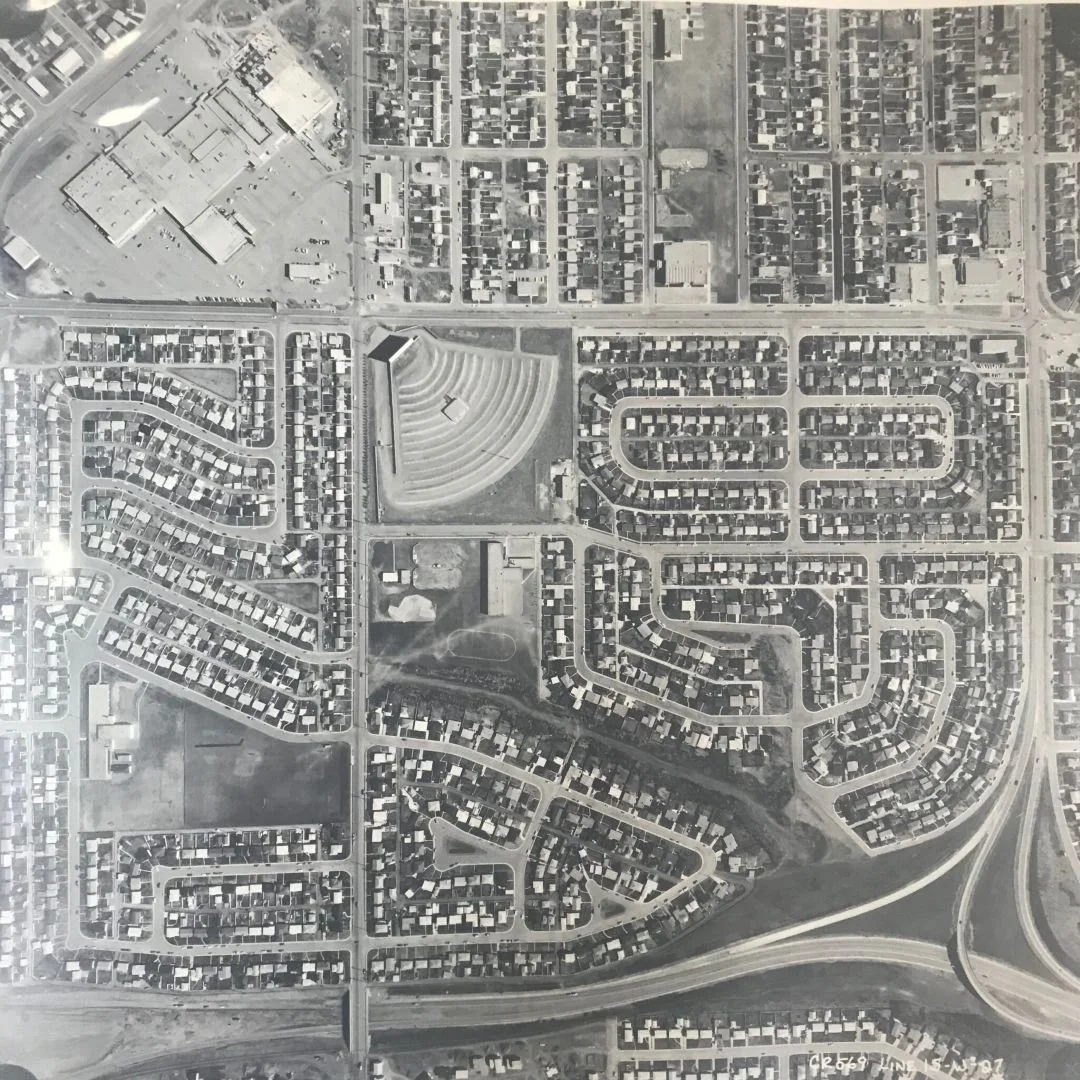
Photo credit: City of Edmonton Archives
A Nostalgic Landmark: The Starlite Drive-In
Long before the tracks of the Valley Line West LRT began to take shape, the corner of 156 Street and 87 Avenue was the site of a different kind of transit-focused entertainment. In June 1949, the Starlite Drive-In Theatre opened its gates as the first facility of its kind in the Edmonton region. Located in the then-independent town of Jasper Place, the Starlite was a $160,000 marvel featuring a massive 50-foot screen and room for 650 cars. It became a community cornerstone where families could enjoy hits like Time, The Place, and The Girl from the comfort of their own vehicles—a luxury that bypassed Edmonton’s stricter early-closing bylaws of the time.
The era of the "outdoor cinema" defined local nightlife for decades, eventually making Edmonton the drive-in capital of Canada with nine active locations by the 1970s. However, the Starlite’s run ended on June 22, 1971, when it was demolished to make way for the Whitehall Square apartment complex.
The Starlite Drive-In Theatre in Jasper Place – Edmonton City as Museum Project ECAMP
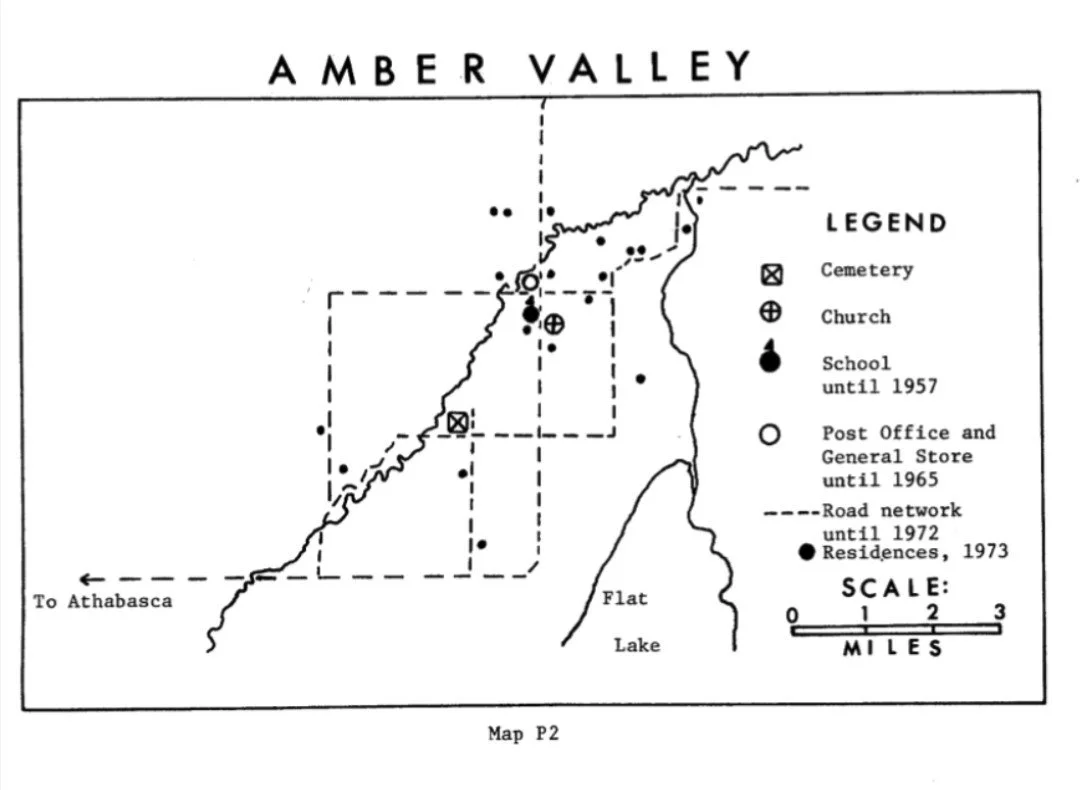
Photo credit: citymuseumedmonton.ca
Pioneers of the Prairies: Alberta’s Early Black Settlers
In the early 1900s, hundreds of Black families travelled north from the United States, primarily from Oklahoma, seeking refuge from the rise of Jim Crow laws and racial violence following Oklahoma’s statehood in 1907. Lured by the promise of 160-acre homesteads for just $10, these pioneers braved a gruelling journey across the border to establish new lives on the Canadian prairies. Upon arrival, they founded several vital rural communities, including Junkins (now Wildwood), Keystone (now Breton), and Campsie, where they built their own schools, churches, and sawmills. These settlers were not just farmers; they were entrepreneurs and community builders who transformed isolated northern landscapes into thriving hubs of cooperation and cultural resilience.
Despite their contributions, these early settlers faced significant systemic barriers and hostility from the Canadian government, which attempted to curb Black immigration through restrictive policies and public opposition. Nevertheless, the communities persisted, with many settlers becoming naturalized citizens and integral members of the Alberta fabric. In places like Breton, the Good Hope Baptist Church and Funnell School became centers of social life, while in Junkins, Black-owned companies set high standards in the local lumber industry.
The most famous of these settlements was Amber Valley, originally known as Pine Creek, which grew to become the largest Black community in Western Canada. Founded in 1910 by nearly 300 settlers near Athabasca, the town was later renamed by local teacher Alice Cromwell, who was inspired by the golden hue of the autumn grain and falling leaves. Amber Valley became a vibrant cultural center, renowned for its legendary baseball team and a close-knit social fabric that centered around the Toles School. While many of the original buildings have since disappeared, the legacy of Amber Valley remains a powerful symbol of Black history in Alberta, representing the courage of those who carved a permanent home out of the northern wilderness.
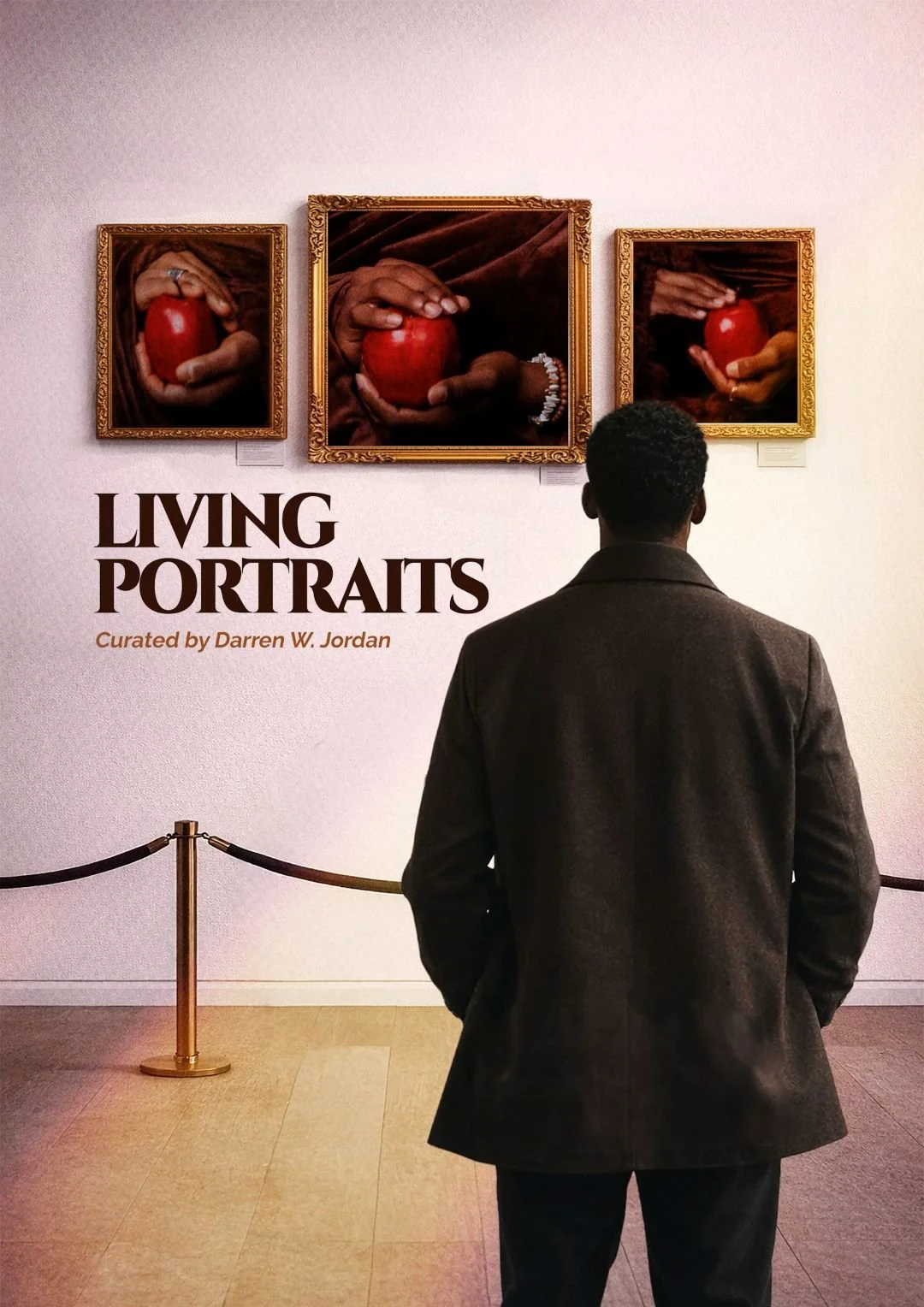
LIVING PORTRAITS: Black Artists in Focus (Jan 31–Jun 16, 2026)
Discover "LIVING PORTRAITS", a new exhibition at Edmonton City Hall, honouring Black artists in Edmonton via five curved panels that evolve in three stages: LOOK (dignified portraits prompting reflection on public visibility), APPROACH (personal images revealing joy and creativity), and ENGAGE (AR audio where artists share their stories, neighbourhoods, and culture).
Curated by Darren Jordan with sculpture by Shoko Cesar, it aligns with the City of Edmonton's Anti-Black Racism Action Plan and Edmonton Arts Council—emphasizing relationships through attention, proximity, and listening over mere representation.
Comment or Contributions
Please note that articles may not reflect the position of NSRVCS. River Valley News is meant to be a clearinghouse for the variety of opinions and ideas about Edmonton’s River Valley.
Email river valley photos, event information, comments, or questions to nsrivervalley@gmail.com.
Forward this link to anyone you think may want to sign up for this newsletter https://www.edmontonrivervalley.org/newsletter-signup