In This Issue:
Water Reform vs. River Rights: The debate over basin mergers and the push for legal personhood.
Legal Literacy for Alberta: How the Environmental Laws 101 project is equipping the next generation of advocates.
Edmonton’s Architectural Crossroads: Dan Rose’s "Arch Madness" and the fight for threatened landmarks.
The Return of the Snow Goose Festival: Witnessing the spectacular spring migration in Tofield.
ArtBus returns March 21st: A free, all-ages tour of downtown galleries and artist-run centres via special ETS buses.
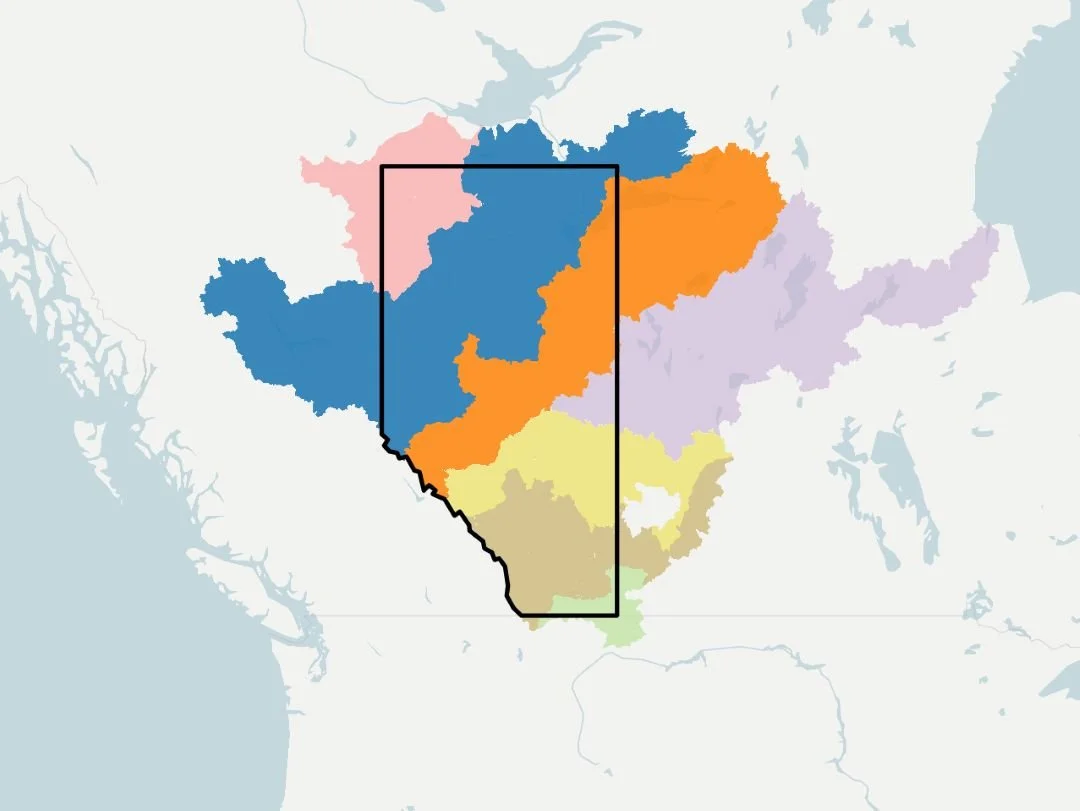
Photo credit: CBC News
Water Reform vs. River Rights
Alberta’s recent merger of the Peace-Slave and Athabasca river basins marks a significant shift toward prioritizing industrial efficiency over ecological boundaries. By reclassifying these distinct watersheds as a single administrative resource, the province has eased water transfers for oil and cattle operations, effectively treating complex biological systems as interchangeable infrastructure. This move has sparked intense pushback from conservationists who argue that such consolidation ignores the unique health and spiritual integrity of each river system.
In direct opposition to this industrial view, groups like Keepers of the Water are fighting to have the Athabasca River recognized as a legal person with its own inherent rights. They argue that while the government treats the river as a commodity to be diverted, it is actually a living ancestor that deserves the legal standing to protect its own flow. This conflict highlights two competing visions for Alberta’s future: one that manages water as a flexible economic asset, and another that defends it as a relative that must be shielded from industrial overreach.
To further this dialogue, Keepers of the Water will join the Mikisew Cree First Nation next week for a two-day gathering at the River Cree Resort & Casino. This vital conference focuses on the tar sands tailings crisis and the collective protection of our shared waterways through the lens of Indigenous rights and traditional knowledge. By bringing together leaders, legal experts, and land defenders, the event aims to advance meaningful solutions for the ecosystems that sustain us all.
Legal Literacy for Alberta’s Environmental Future
The Environmental Law Centre (ELC) and the Alberta Environmental Laws 101 project are working to demystify the province's complex regulatory landscape for students and the general public alike. This collaborative initiative provides foundational modules on everything from species at risk to energy law, empowering Albertans with the legal literacy needed to engage in environmental governance. By bridging the gap between high-level legislation and classroom learning, the project ensures that the next generation is equipped to navigate the laws that shape their province.
These educational tools are particularly vital as citizens grapple with the legal nuances of the Athabasca River’s potential personhood. The project’s resources on water law and environmental rights offer a framework for understanding how administrative changes, such as the recent merger of river basins, intersect with established legal protections. This knowledge transforms a dense bureaucratic process into a transparent topic for public debate and informed advocacy.
Ultimately, the Environmental Law 101 project ensures that Alberta’s "voiceless" entities—whether a historic landmark or a massive waterway—have a public well-informed enough to defend them. By making environmental law accessible, the ELC provides a starting point for those looking to move beyond surface-level discussions toward meaningful legal action. This proactive approach to education is the first step in ensuring that Alberta’s shared heritage and natural resources are managed with long-term integrity.
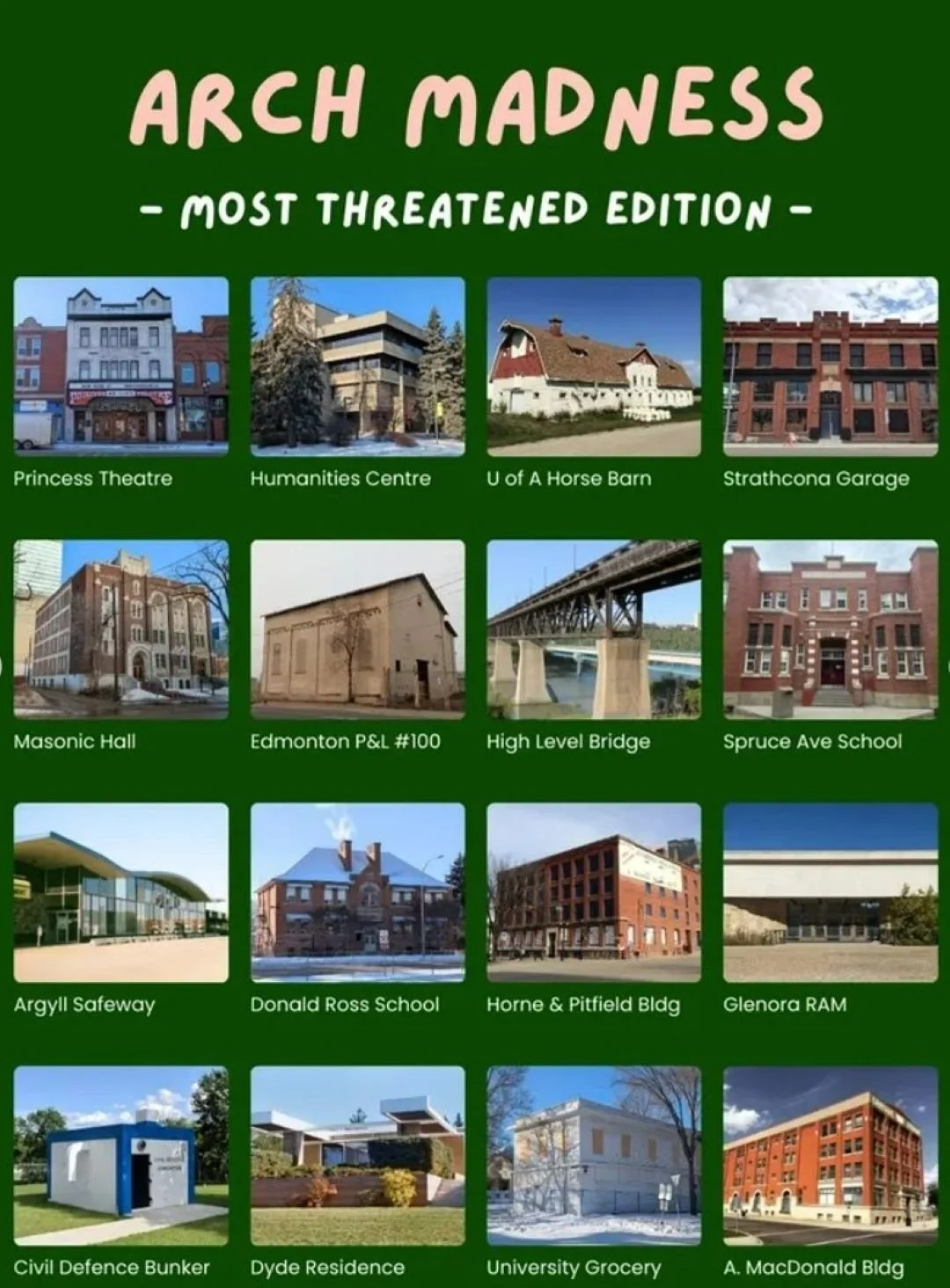
Photo Credit: Dan Rose
Edmonton’s Architectural Crossroads
The "Arch Madness" bracket, created by heritage advocate Dan Rose, highlights a mounting tension in Edmonton as sixteen historic landmarks face an uncertain future on the city’s metaphorical chopping block. This year’s "Most Threatened Edition" features iconic sites like the Princess Theatre and the old Royal Alberta Museum, which are currently caught in a debate over whether aging structures are essential pillars of identity or simply liabilities. By using a March Madness-style competition, Rose aims to make complex conservation conversations accessible, turning a "COVID foible" into a vital annual check-up on the city's soul.
Advocates argue that a failure to protect landmarks like the Rossdale Power Plant or Edmonton Power and Light Substation #100 represents a loss of the communal stories that anchor a region. There is a growing sense that without firm legal standing or proactive advocacy, the features that define our shared heritage can be quietly erased by administrative convenience or shifting economic priorities. The fight for these bricks and mortar reflects a desire to move beyond a disposable mindset toward a future of long-term preservation and adaptive reuse.
Ultimately, Rose’s bracket serves as a reminder that the integrity of our surroundings depends on the literacy and engagement of the people who inhabit them. Whether the subject is a storied facade or a vital natural resource, the tools for defence often lie in understanding the frameworks that govern our shared environment. By participating in these local debates, we decide which parts of our history remain for the next generation to inherit.
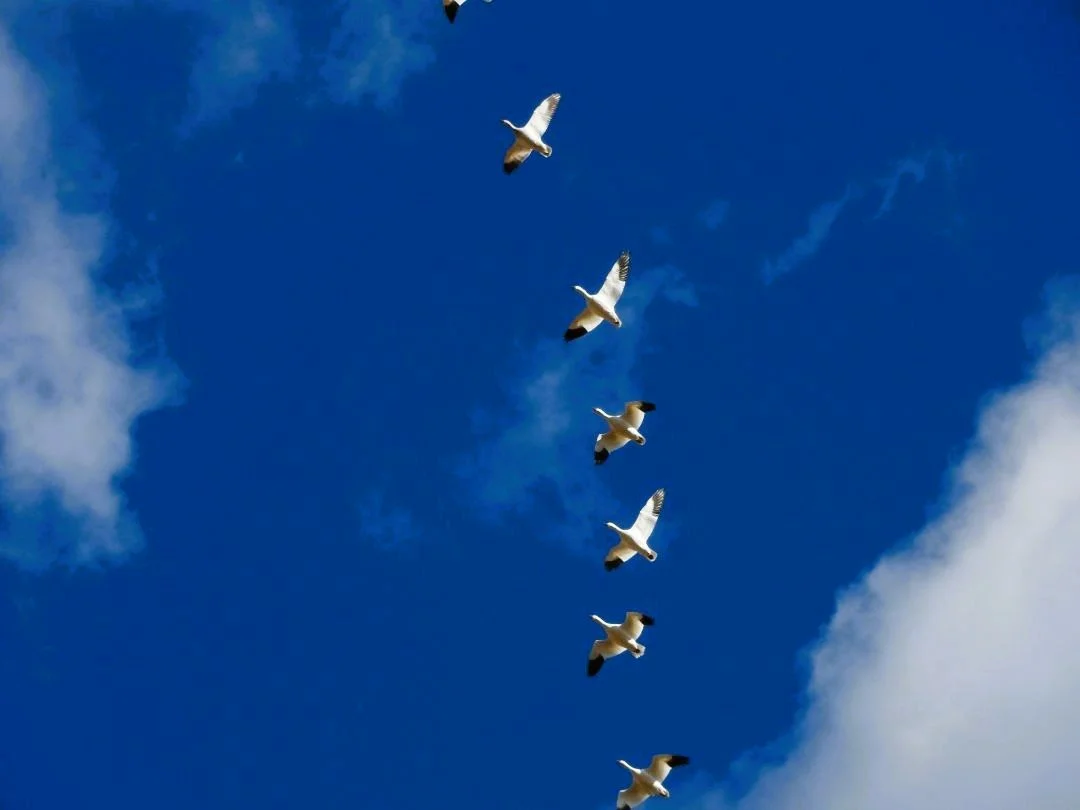
The Return of the Snow Goose Festival
The Snow Goose Festival returns to Tofield this April, inviting nature enthusiasts to witness the breathtaking spectacle of thousands of waterfowl descending upon Beaverhill Lake. This premier birdwatching event celebrates the spring migration with guided bus tours and naturalist-led hikes that offer a front-row seat to the massive "white waves" of geese filling the Alberta sky. It is a rare opportunity for families and photographers to experience the raw energy of one of North America's most significant migratory flyways.
Beyond the stunning views, the festival provides an educational deep dive into the delicate balance of wetland conservation and the importance of preserving these critical staging grounds. Attendees can engage with experts to learn about the environmental factors that sustain such a diverse range of species during their exhausting journey north. By fostering this connection to the land, the event highlights the essential role that local communities play in protecting the natural rhythms of the wild.
The weekend is more than just a wildlife viewing opportunity; it is a community-wide celebration featuring a trade show, banquets, and activities that highlight the charm of the Tofield region. Visitors can enjoy a full itinerary of outdoor exploration while supporting the conservation efforts that keep this annual tradition alive for future generations. As the geese continue their ancient trek, the festival stands as a vibrant tribute to the enduring beauty of the Alberta landscape.
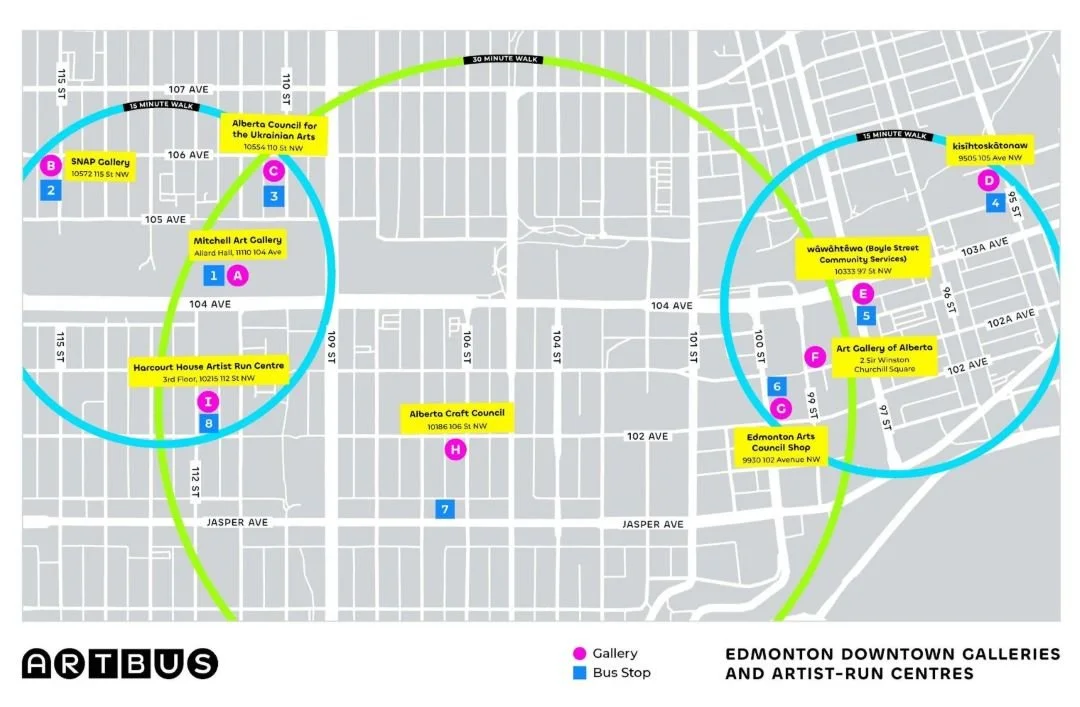
ArtBus returns on March 21st, offering a free, all-ages tour of downtown Edmonton’s galleries and artist-run centres via special ETS buses. This one-day event invites you to hop on at any designated stop to experience local art, participate in hands-on activities, and shop from a diverse range of participating galleries.
Comment or Contributions
Please note that articles may not reflect the position of NSRVCS. River Valley News is meant to be a clearinghouse for the variety of opinions and ideas about Edmonton’s River Valley.
Email river valley photos, event information, comments, or questions to nsrivervalley@gmail.com.
Forward this link to anyone you think may want to sign up for this newsletter https://www.edmontonrivervalley.org/newsletter-signup