River Valley News - March 5/26

In This Issue

  • The Last Scows: Alberta’s ferry history and a spring guide to the Klondyke.

  • The Quiet Clearcut: Why density shouldn't cost us our urban tree canopy.

  • Neural Buffers: How birding the River Valley strengthens your brain.

  • Invasive Species: Protecting our trails from "uninvited guests" like Orange Hawkweed.

  • AGM Reminder: Join us on March 9 for Tom Radford’s history of the river.
The Last of the Alberta Scows

In the late 19th century, Alberta’s massive river systems—including the Peace, the Athabasca, and the Red Deer—were formidable barriers that shaped the movement of every settler and trader. During the first fifty years of the system, from the 1870s through the 1910s, Alberta’s ferry network reached its peak with over 100 ferries operating simultaneously across the province. These cable-pulled scows were the essential "living bridges" of the prairies, providing the only reliable way to move wagons, livestock, and mail across a landscape that was just beginning to be connected by a formal road network.

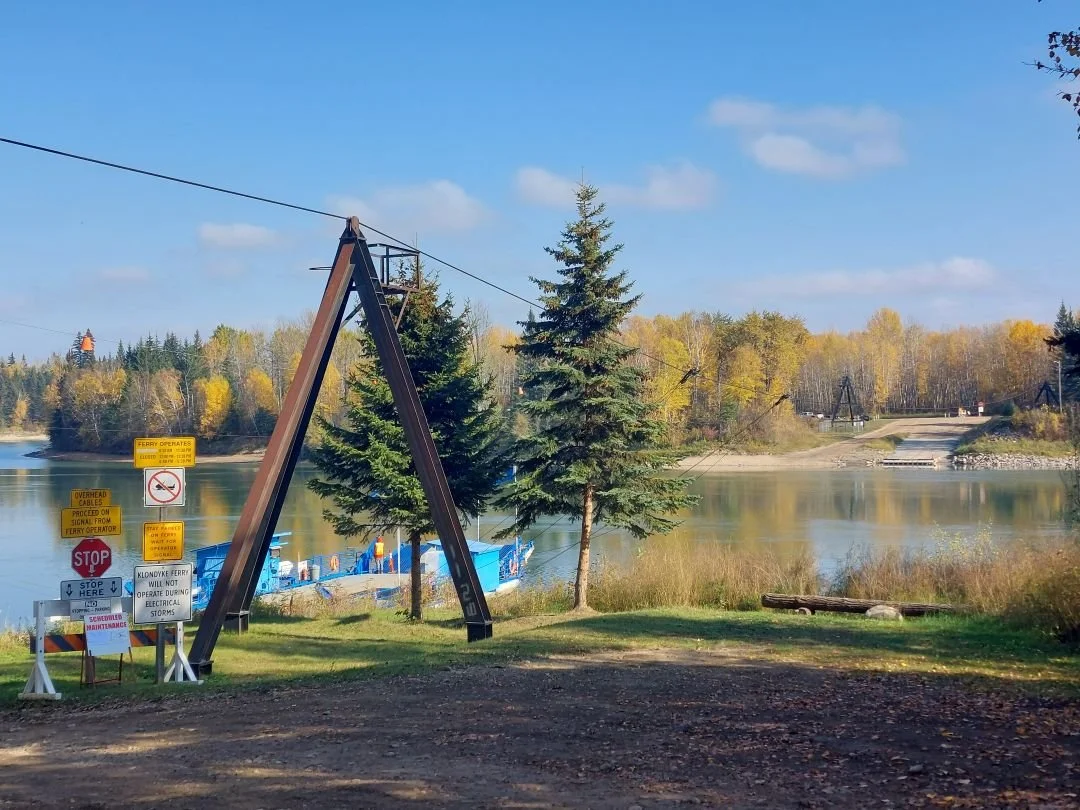
These "reaction ferries" are a marvel of simple engineering, using a bridle cable to angle the boat so that the river’s own current provides the power to push it across the water. Though many of the province's original ferry sites have been replaced by permanent bridges, the six remaining vessels—including the Bleriot on the Red Deer River and the Crowfoot on the Bow River—remain active parts of the Alberta provincial highway system. The Klondyke Ferry, located north of Vega on the Athabasca River, remains the closest operational link to this mechanical heritage for those in the Edmonton region. 

While the Klondyke Ferry remains docked for the winter waiting for the Athabasca River to clear, its spring reopening offers more than just a transit route—it serves as the gateway to the rugged beauty of Fort Assiniboine Sandhills Wildland Provincial Park. Located just a short drive from the ferry’s southwest landing, this park protects a unique landscape of stabilized sand dunes and ancient pine forests. It’s a place where the history of the Klondike Trail meets a diverse ecosystem, offering a quiet, unpaved escape for those looking to explore the same terrain that early travellers traversed over a century ago. 


Photo credit: David Bloom / Postmedia

Balancing Infill with Edmonton’s Living Infrastructure

Urban planner and conservationist Grant Pearsell argues that Edmonton’s older neighbourhoods are built on a "layered" garden system of heritage shrubs and trees that historically provided essential windbreaks and food. This living legacy represents a resilient history of northern living, creating a shared ecosystem of "land wisdom" that modern, simpler landscaping often fails to replicate.

As Edmonton densifies through infill, Pearsell warns that we are erasing this "living infrastructure" without a plan to replace its cumulative benefits. The loss of mature trees, lot by lot, leads to increased neighbourhood heat and decreased air quality, creating an "equity gap" in which the cooling and health benefits of nature are increasingly reserved for those who can afford established lots.

Pearsell emphasizes that trees are as vital to a city's health as roads or pipes. He calls for a recognition of trees and gardens as essential infrastructure, ensuring that access to shade and nature remains a right for every Edmontonian, regardless of their income level. Ultimately, he challenges us to view land conservation as a way to preserve the trust and sense of belonging that roots a community to its landscape.

Opinion: The quiet clearcut: Infill shouldn't cost Edmonton its trees and gardens 
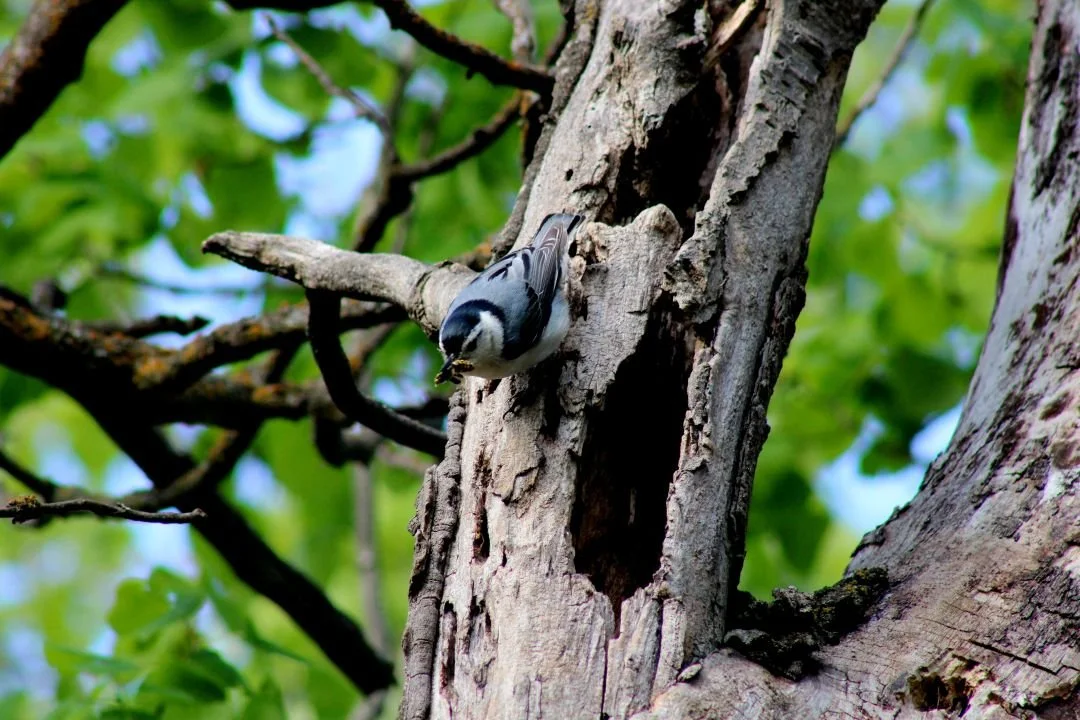

Building a Neural Buffer in the RV by birding

Recent research from York University suggests that birdwatching isn't just a quiet hobby; it’s a high-intensity workout for your gray matter. By identifying subtle patterns in feathers and songs, expert birders actually reshape their neural pathways, making their brains more structurally efficient. This process of neuroplasticity mirrors the cognitive benefits of learning a complex new language or a musical instrument.

Beyond just being "sharp," these structural changes serve as a powerful buffer against age-related cognitive decline. The study found that while everyone's brain naturally thins over time, dedicated birdwatchers maintain denser regions responsible for memory and attention. Essentially, grabbing your binoculars today builds a "cognitive reserve" that helps protect your mind well into your senior years.

Our own River Valley is the perfect laboratory for this mental conditioning, especially as we head into the early March thaw. Next time you're on the trails, try focusing on a single species—like the White-breasted Nuthatch—to engage those specialized visual processing centers. Your brain will appreciate the three-minute nature reset, and your future self will thank you for the extra neural scaffolding.

Bird watching may build better brains, study says | CBC Radio 

Birdwatching could help slow ageing, breakthrough study finds | BBC Science Focus Magazine 
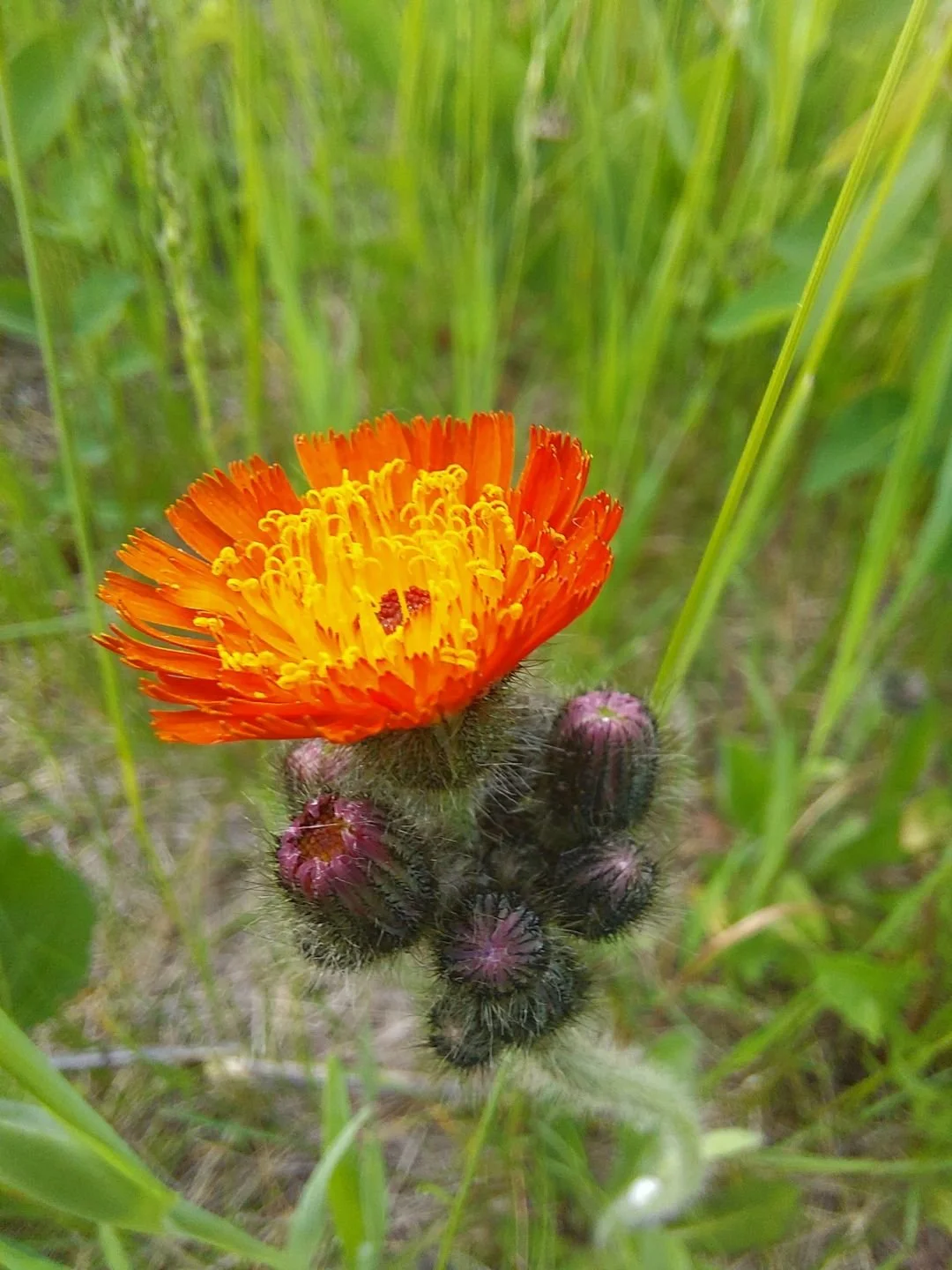

Defending the River Valley from Invasive Species

Last week marked Invasive Species Awareness Week, a national effort to highlight the "uninvited guests" that threaten the delicate balance of our local ecosystems. As the snow begins to melt in the River Valley, it’s the perfect time to learn which species don’t belong, as these invaders often hitchhike on hiking boots and bicycle tires. By staying vigilant, we act as the first line of defence for the native biodiversity that makes our city’s parkland so unique.

One specific threat to keep on your radar this coming season is Orange Hawkweed, a deceptively pretty but aggressive invader that thrives in open meadows and forest edges. This plant is easily identified by its vibrant, fiery-orange flower clusters and distinctively hairy stems, but it quickly forms dense mats that smother the native wildflowers our local pollinators rely on. Reporting sightings of this "Noxious" weed is a simple but vital way to help preserve the natural integrity of our favourite trail systems.

If you spot a suspected invader like Orange Hawkweed, the City of Edmonton makes reporting simple through the 311 app, where you can upload a photo for quick identification. You can also contact the Alberta Ag-Info Centre at 310-3276 to speak with a weed inspector or address specific concerns about prohibited species in your area. Being a good environmental steward starts with observing our local trails and ensuring these "nasty invaders" don't get a foothold in our gardens or parklands.

Feedback: Why Some Ducks Skip Migration

Hi there!

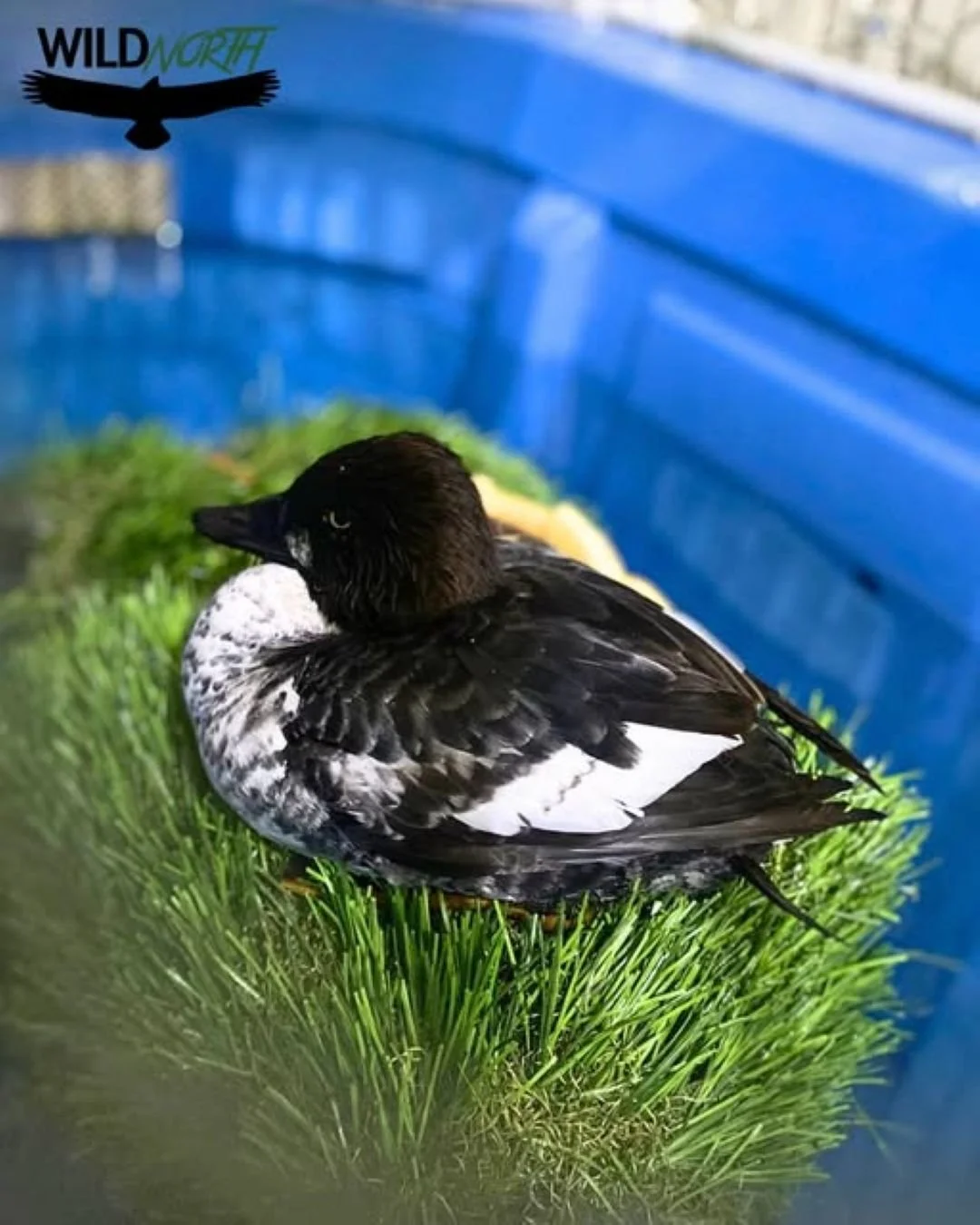
Thanks for letting your readership know about one of WILDNorth's education offerings!  I just wanted to mention that the photo supplied is of a Common Goldeneye (a type of diving duck).  A small group of this species also overwinters on the North Saskatchewan River. They feed on small fish and aquatic vertebrates but rarely leave the river.   Mallards, a type of dabbling duck, on the other hand, move back and forth from the river to areas in the city where they can find food such as spilled grains along the railroad tracks or at the Alberta Grain Terminal.  You can often see small flocks flying back and forth throughout the winter.

Love your newsletter!

Best regards,

Kim Blomme, RVT
Director, Research & Policy
WILDNorth Wildlife Rescue & Rehabilitation


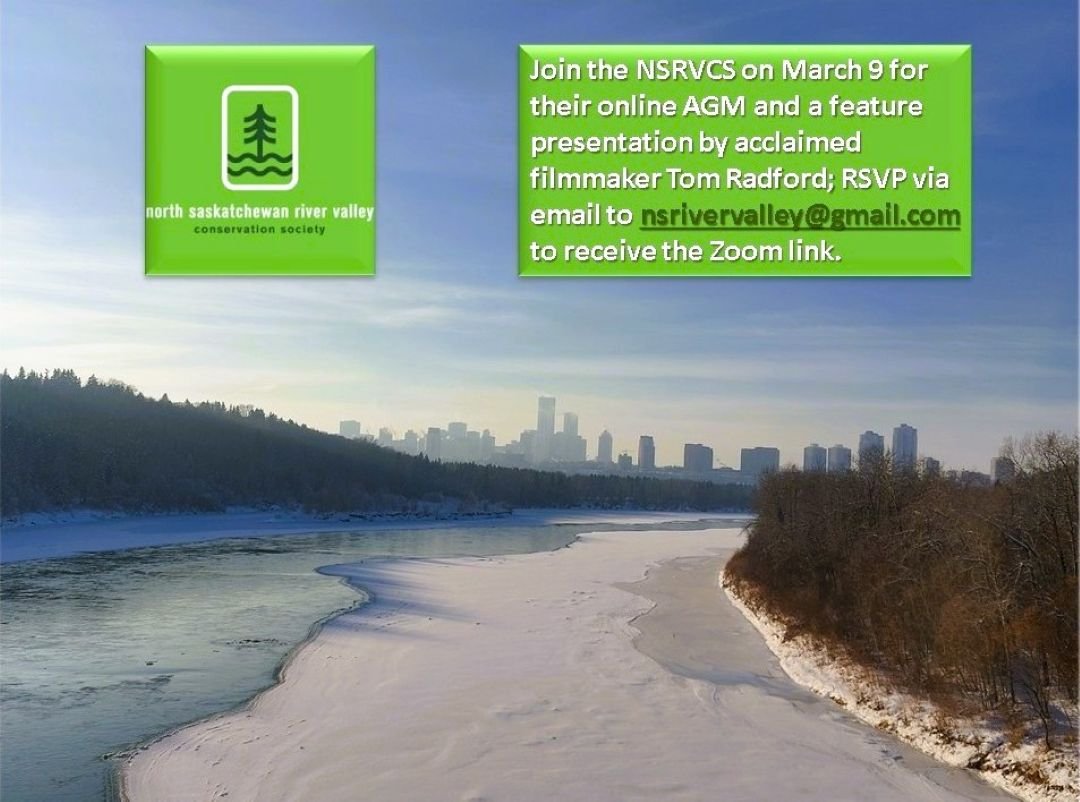
Don’t forget to RSVP for the NSRVCS Annual General Meeting this Monday, March 9! Email nsrivervalley@gmail.com to receive the Zoom link and join us for Tom Radford’s presentation on our river’s history, followed by our yearly update.


Comment or Contributions

Please note that articles may not reflect the position of NSRVCS. River Valley News is meant to be a clearinghouse for the variety of opinions and ideas about Edmonton’s River Valley.

Email river valley photos, event information, comments, or questions to nsrivervalley@gmail.com.

Forward this link to anyone you think may want to sign up for this newsletter https://www.edmontonrivervalley.org/newsletter-signup
River Valley News - Feb. 26/26

In This Issue

  • Gibbons Prairie: Exploring Alberta’s ancient cactus badlands.

  • Local Events: Gardening swaps and conservation films.

  • River Safety: Hidden dangers of moving ice.

  • Wintering Ducks: Survival at wastewater treatment plants.

Resilient Cacti of the North

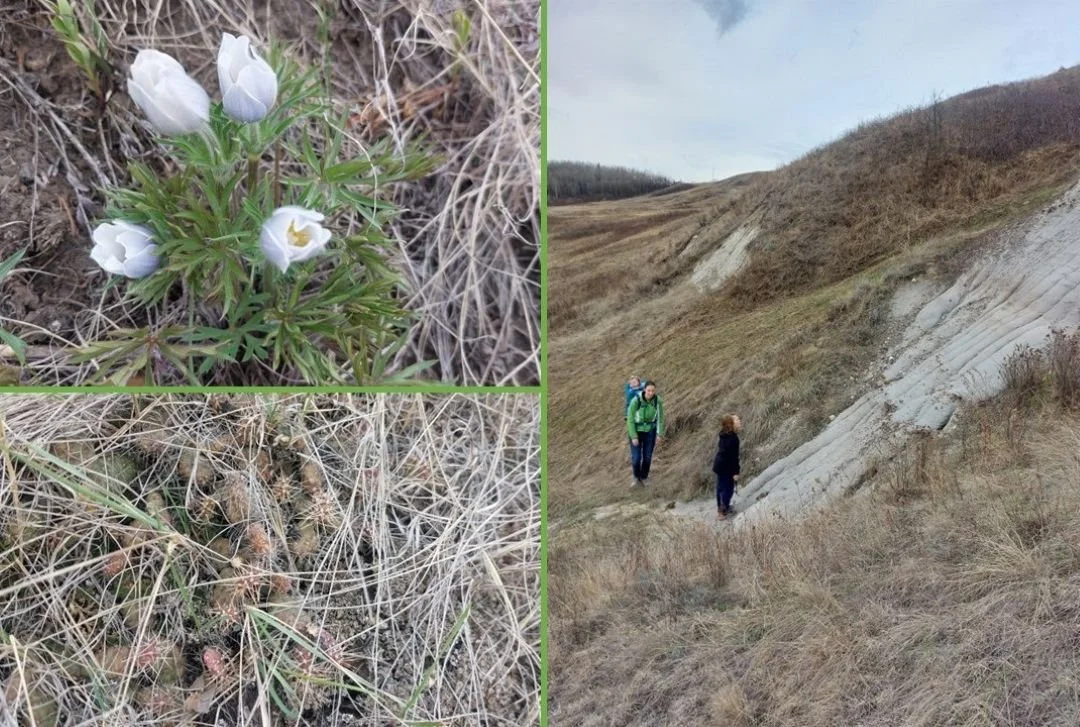
You’ve likely seen Gibbons in the news lately, but perhaps not for the reasons the town would hope. Recent CBC reports indicate that the town is facing a multimillion-dollar financial crisis, with possible insolvency and even dissolution looming. The path to recovery will be difficult and lengthy for both the council and residents. But did you know just beyond the modern townsite of Gibbons lies a landscape that has remained virtually unchanged for centuries? 

According to the North Saskatchewan Watershed Alliance, the Gibbons Prairie/Badlands is a rare "living museum" of pre-settler Alberta—a pocket of land that escaped the transformation of the surrounding agriculture and industry. This unique ecosystem is defined by rugged badland formations and native grasses that once covered the entire province. Among its most resilient residents is the Brittle Prickly Pear cactus (Opuntia fragilis). 

These hardy plants are biological marvels, capable of surviving Alberta’s -40°C winters by dehydrating their cells to prevent freezing. In early summer, these cacti burst into waxy yellow blooms, offering a vibrant contrast to the arid, sandy slopes they call home. It is a place where history is measured not in years, but in geological eras.


Green Spaces & Cultural Places: Upcoming Local Events

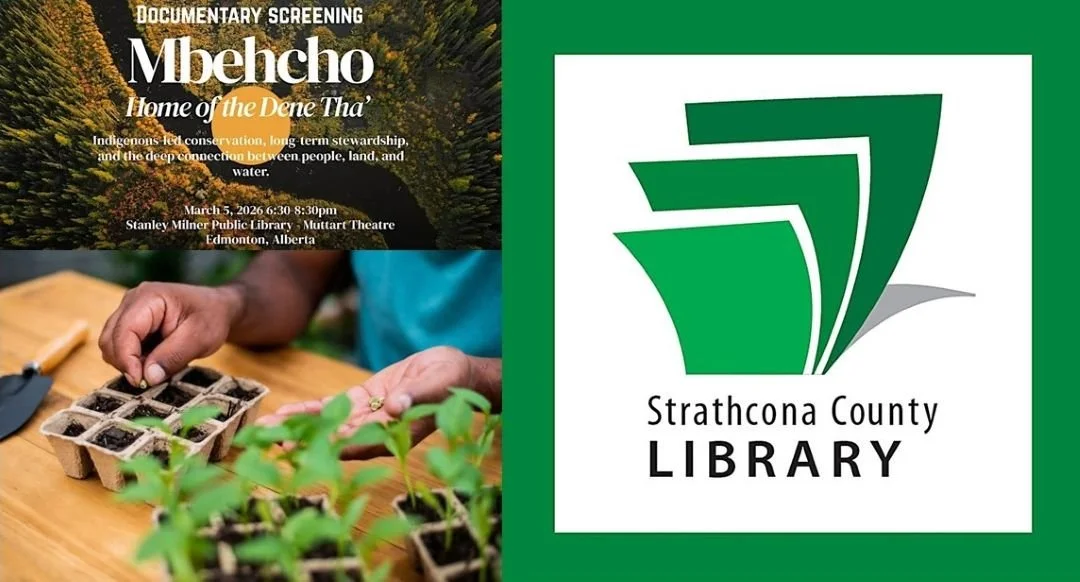
The Strathcona County Library hosts the Everything Garden Seed Exchange on Saturday, February 28 (10:00 AM – 1:30 PM) at the Community Centre. This free event features a seed and tool swap alongside expert presentations on worm composting, bird-friendly gardening, and fruit tree biology, with advanced workshops like snow-seeding and grafting continuing until 4:15 PM.

Join the Dene Tha' First Nation and CPAWS Northern Alberta for the public premiere of  Mbehcho: Home of the Dene Tha on Thursday, March 5 (6:30 PM – 8:30 PM) at the Stanley A. Milner Library’s Muttart Theatre. This evening of traditional drumming and film explores Indigenous-led stewardship of Bistcho Lake, a critical sanctuary for caribou and wolverine; tickets are available via Eventbrite.

Kickstart your indoor garden at the Muttart Conservatory’s Herb Seed Starter Workshop on Thursday, March 12. Participants will learn seedling care while creating a custom planter, followed by a guided evening tour of the conservatory’s current "Prehistoric Paradise" pyramid display. Spaces are limited, so be sure to register through movelearnplay.edmonton.ca to secure your spot.


Photo credit: Cam Cook, Global News
The Dangers of River Ice: Stay Safe and Stay Off the NSR

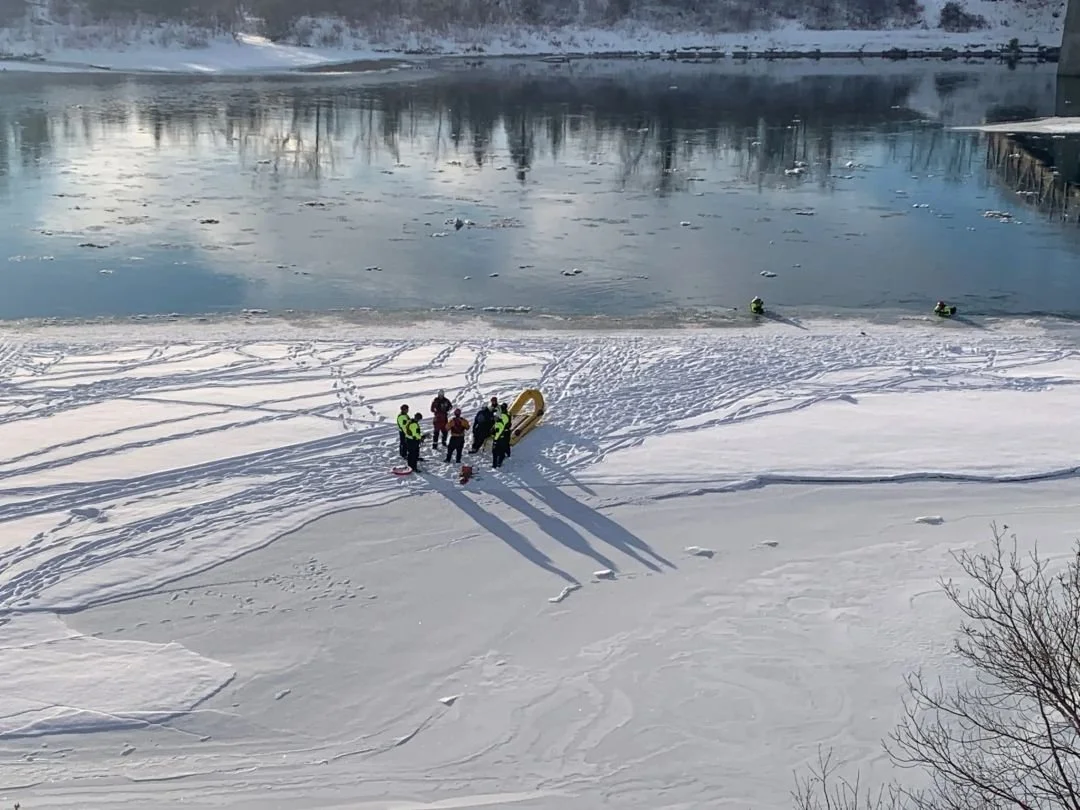
While it may be tempting to imagine skating down the NSR as one would on the Rideau Canal in Ottawa, the City of Edmonton warns that the river is extremely unsafe for winter recreation. Unlike other Canadian waterways, the North Saskatchewan does not freeze reliably; attempting to walk or skate on it is strictly prohibited and carries a $500 fine.

The primary danger lies in the river's constant motion. Even when the surface appears solid, the water beneath remains in a state of flow, creating thin, unpredictable ice and unstable banks. These deceptive conditions are further complicated by fast underwater currents and strong undertows that can pull people or pets under the ice sheet in an instant.

Hidden hazards such as floating debris, fallen trees, and muddy shorelines also make the ice’s structural integrity unreliable. Because of these risks, Edmonton Fire Rescue Services responds to over a hundred river-rescue calls annually. The city emphasizes that the ice is never safe, regardless of how low the temperature drops, and urges residents to stick to monitored, maintained skating locations like the Victoria Park Freezeway or local community rinks instead.


Photo credit: WILDNorth
Why Some Ducks Skip Migration

Every winter, a "renegade" group of mallards elects to skip the cross-continental flight south, choosing instead to make their home in and around Edmonton’s wastewater treatment facilities. While a factory processing human waste might not seem like a paradise, these sites offer a critical resource: open water. The secondary clarified effluent water (SCEW) remains at a hospitable temperature of over 10°C even during extreme cold snaps, providing a safe place for birds to sleep and drink. However, researchers suggest this may be an "ecological trap"; many of these ducks are juveniles that hatched too late to build the strength for migration, and they often struggle with a lack of food, losing up to 30% of their body weight over the winter.

WILDNorth recently admitted several ducks found in the greater Edmonton area that failed to migrate. These winter residents often arrive with minor frostbite on their webbing, parasitic infections, and signs of being underweight. Once treated and stabilized, the rehabilitation team must decide whether to overwinter the patients or release them back onto the river during a winter warm spell. While these birds are incredibly resilient, their presence highlights the complicated relationship between urban infrastructure and wildlife survival.

To foster a better understanding of these urban ecosystems, WILDNorth and EPCOR have partnered to offer Wildlife Interaction & My Community a free program for Grade 7 classes. The 45-minute presentation explores local wildlife issues and includes a 30-minute tour of a stormwater facility, teaching students about urban biodiversity and safety. Educators can request a presentation for the 2025-2026 school year by visiting wildnorth.ca.


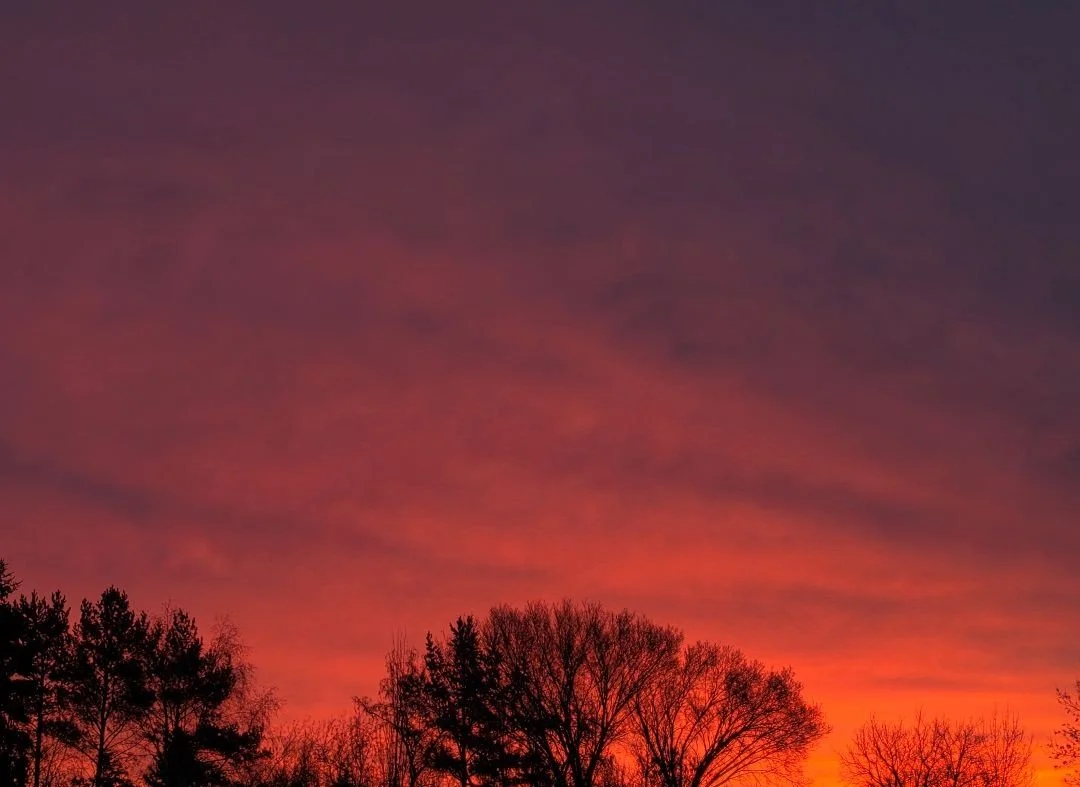
Winter Sunrise


Comment or Contributions

Please note that articles may not reflect the position of NSRVCS. River Valley News is meant to be a clearinghouse for the variety of opinions and ideas about Edmonton’s River Valley.

Email river valley photos, event information, comments, or questions to nsrivervalley@gmail.com.

Forward this link to anyone you think may want to sign up for this newsletter https://www.edmontonrivervalley.org/newsletter-signup
River Valley News - Feb 19/26

NSRVCS Annual General Meeting

Dear River Valley News readers,

The 2026 North Saskatchewan River Valley Conservation Society AGM occurs on March 9, starting with a feature presentation from 5:30 to 6:15pm, followed by the AGM from 6:15 to 7:00pm. You can attend either or both.

The feature presentation is by Tom Radford, following his family's relationship to the North Saskatchewan from their arrival in 1905 to the present day, charting the changes in both the river itself and the community's relationship to it.

Tom Radford founded Clearwater Documentary, an innovative producer of online, television, and theatrical documentaries for the national and international market. Clearwater has produced over fifty years of history, biography, science, and entertainment programming with a distinct western Canadian focus.

Based in Edmonton, Radford has produced storytelling with a visual and political flair. His latest film, Peggy and Balmer, is a feature documentary which examines the evolution of newspapers in Alberta and their political and social impact.  

The feature presentation is followed immediately by the AGM from 6:15 to 7:00 pm. The AGM provides a brief overview of the society’s activities in 2025, an update of its financial situation, and the election of the Board of Directors.

If you wish to attend either, RSVP to nsrivervalley@gmail.com, and you will be sent the Zoom link on Friday, March 6.


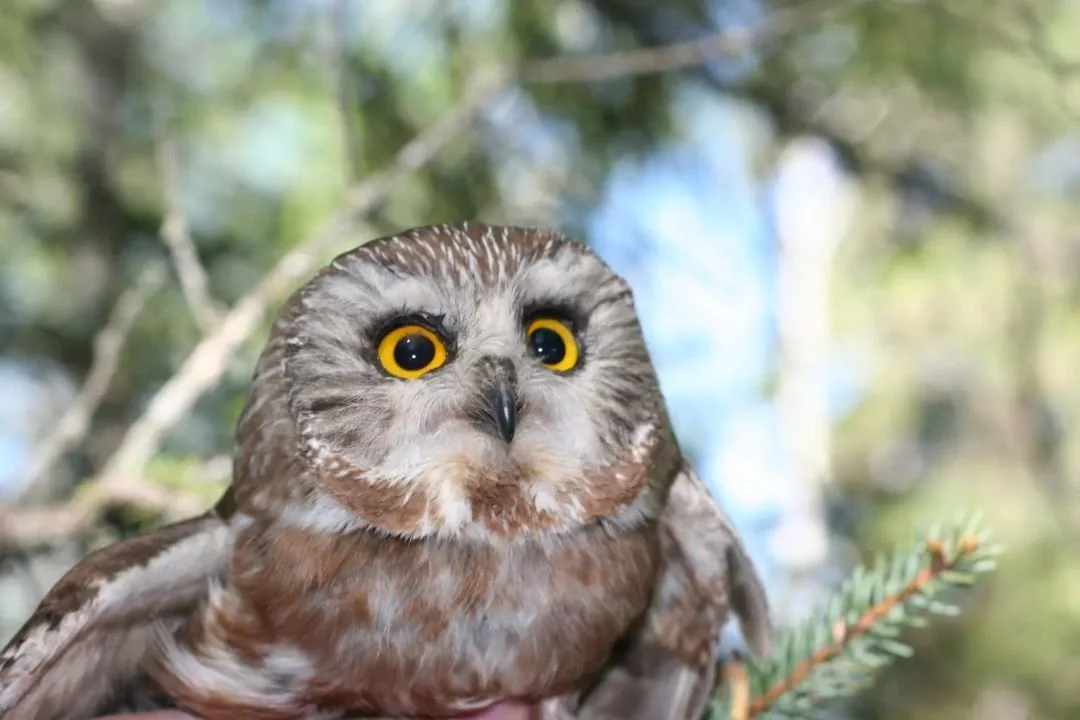
Photo credit: David Fairless
BBO: Banding, Education, and Impact

The Beaverhill Bird Observatory is currently seeking volunteers for its upcoming field season, running from May through October. Opportunities range from short-term shifts assisting with songbird banding to immersive long-term stays at the field station where volunteers help with all aspects of migration monitoring.

To get involved, interested individuals must become a lifetime member for $10 and complete a brief online application and training process. Once finished, you’ll gain access to the volunteer portal to begin booking your shifts and contributing to vital research just east of the city.

TheBeaverhill Bird Observatory’s BirdSmartoutreach program continues to see impressive growth, reaching a record audience of over 10,000 participants during its most recent winter season. This success is driven by a diverse range of curriculum-linked presentations, including new topics like Birds and Body Systems and Birds and Migration, which are brought to life for students and community groups by live education birds such as Tansi the Great Horned Owl and Keith the Red-tailed Hawk. By offering bilingual programming in French and expanding its reach to rural Alberta, BirdSmart ensures that the vital message of bird conservation and climate change remains accessible to all, fostering a deeper connection between Albertans and their feathered neighbours.


Photo credit: Edmonton Horticultural Society
Healthy Trees, Healthy Harvests: Managing Black Knot

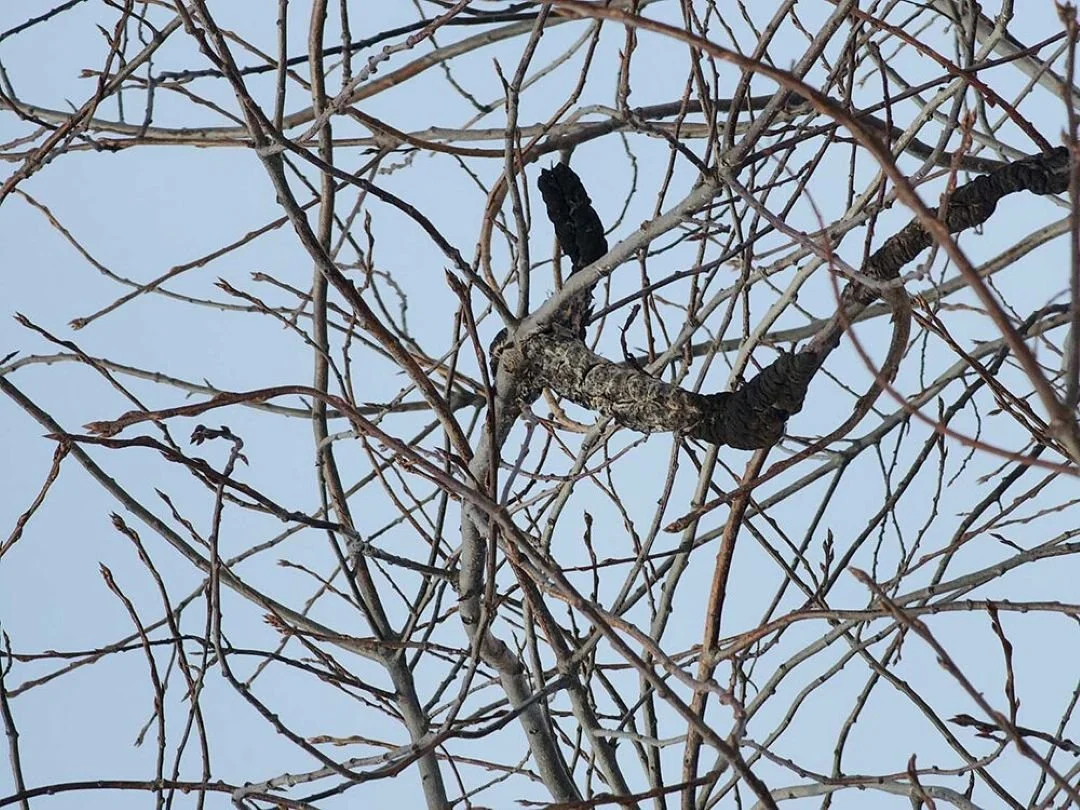
Pruning is about more than just shaping your trees; it is a critical defence against Black Knot (Apiosporina morbosa), a common fungal disease that plagues Edmonton’s fruit and ornamental trees. Often described as looking like "scat on a stick," these rough, black galls can girdle branches and eventually kill the tree if left untreated. Because the fungus spreads through spores during wet spring weather, the late winter months are the ideal time to prune away infections while the tree is dormant.

To help you tackle this, Operation Fruit Rescue Edmonton (OFRE) is hosting hands-on Tree Pruning Workshops on February 27 and 28, 2026. Led by certified master arborists, these sessions offer practical training on how to assess tree health, use the right tools, and make clean cuts to boost fruit yield and prevent disease. Whether you are a beginner or a seasoned gardener, you'll gain the confidence to care for your apple, pear, and cherry trees in Edmonton’s unique climate. Registration is required, so visit operationfruitrescue.org to secure your spot.


Photo credit: EALT Conservation Coordinator
Volunteer In Conservation with the EALT

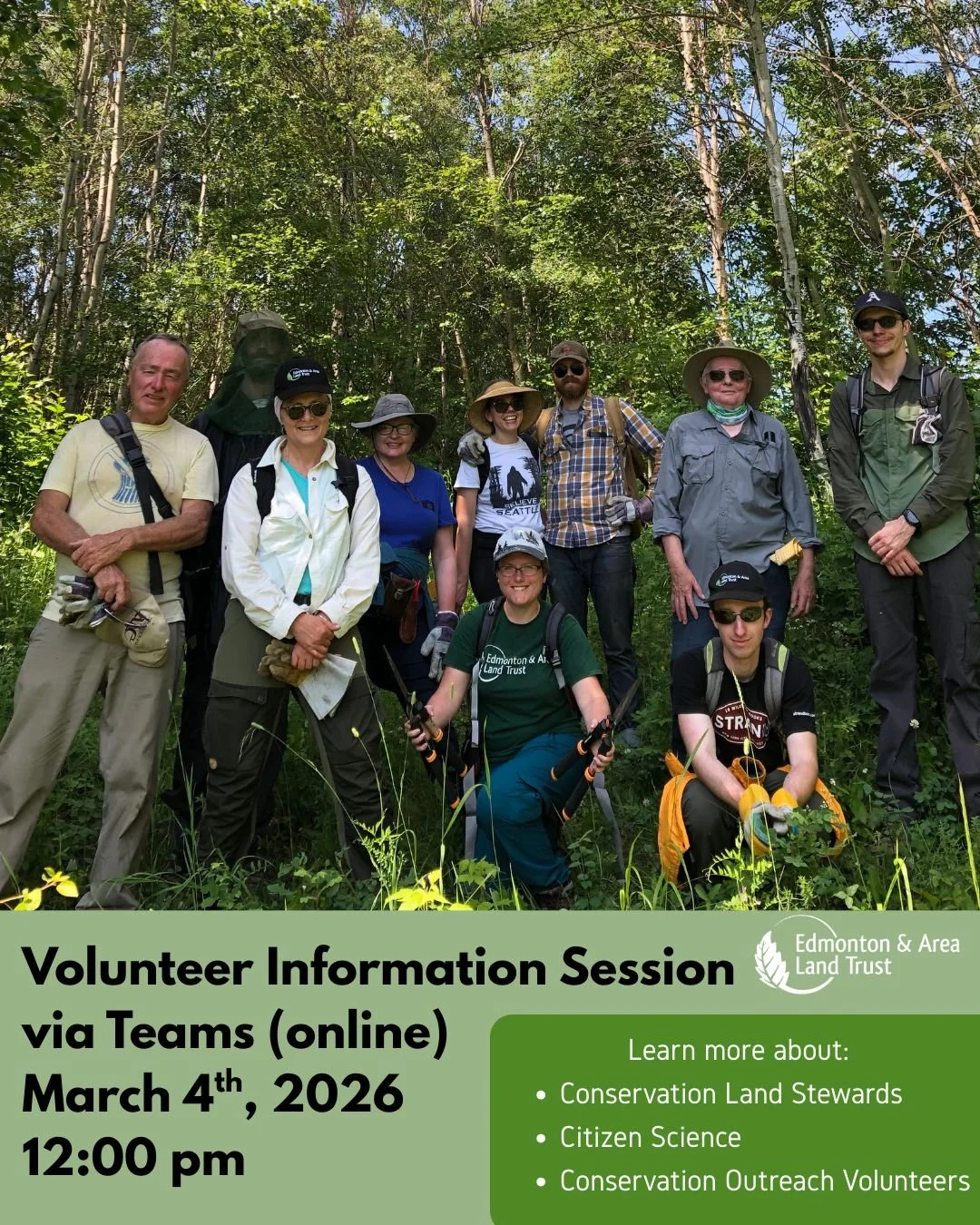
Join an EALT Online Information Session on March 4, 2026

As a local charity with a small staff team, the Edmonton and Area Land Trust (EALT) empowers volunteers to steward their conservation lands, monitor wildlife, and increase awareness about their work. Join the volunteer team at a Conservation Land near you! 

There are opportunities for a variety of commitment levels: 

  • join at an event - all training and tools provided

  • visit a site up to twice per month to steward the land or
    monitor wildlife

  • volunteer from home creating nature-themed content for
    social media

  • engage with the public at an information booth or workshop

You can learn more about all of their opportunities at their upcoming online info session. You do not have to attend the session to join the volunteer programs. 

March 4 - 12 PM - Register here: Volunteer Info Session | Meeting-Join | Microsoft Teams 

After the info session, applications will be open for volunteer programs. 

  • Stewardship Events and Outreach - join anytime

  • Conservation Land Stewards and Citizen Science - apply by April 15

Find out more about their volunteer opportunities on their website: https://www.ealt.ca/volunteer

Receive emails of their upcoming volunteer stewardship events (no experience required) by signing up for their newsletter - https://ealt.us4.list-manage.com/subscribe?id=55625da027&u=62e30fd24a25665326aa30d96


Breathe I & II / Robbin Deyo / 2026

Powder-coated aluminum / Coronation Park Sports and Recreation Centre


Comment or Contributions

Please note that articles may not reflect the position of NSRVCS. River Valley News is meant to be a clearinghouse for the variety of opinions and ideas about Edmonton’s River Valley.

Email river valley photos, event information, comments, or questions to nsrivervalley@gmail.com.

Forward this link to anyone you think may want to sign up for this newsletter https://www.edmontonrivervalley.org/newsletter-signup