River Valley News - Feb. 5/26

Photo credit: CTV News Edmonton
Plastic Pollution Concerns: Brushing vs. Blading

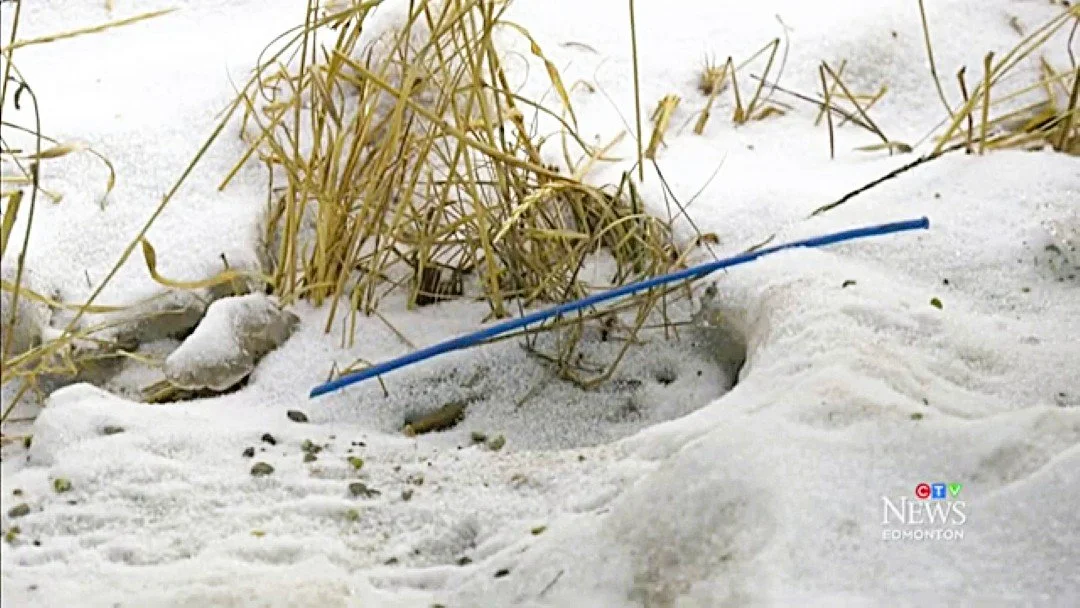
The Edmonton River Valley Conservation Coalition (ERVCC) is raising alarms over plastic pollution caused by city snow-clearing equipment. Chair Kristine Kowalchuk reports that volunteers collected 430 blue plastic bristles on the Tawatinâ Bridge this month alone, part of a staggering 16,618 bristles and thousands of wire fragments gathered by the group since 2019. These materials often end up in the North Saskatchewan River, contributing to microplastic contamination that harms local fish, birds, and wildlife.

To mitigate the environmental impact, the ERVCC is advocating for the city to swap mechanical brushes for traditional blades on bridges. However, Ward Métis Councillor Ashley Salvador noted that the Tawatinâ Bridge’s specific surface coating may not withstand metal blades. While the city maintains that operators are trained to sweep away from bridge edges and perform spring cleanups, conservationists argue that current measures are failing to keep these persistent pollutants out of the river ecosystem.
Snow-brush bristle debris concerns city environmental group 


Call for Artists: Valley Line West LRT Canopy Art

As construction for the Valley Line West LRT remains on schedule for an anticipated 2028 completion, the project is shifting focus from major roadwork to the installation of tracks and street-level station infrastructure designed to reduce Edmonton's annual greenhouse gas emissions by over 5,000 metric tons. 

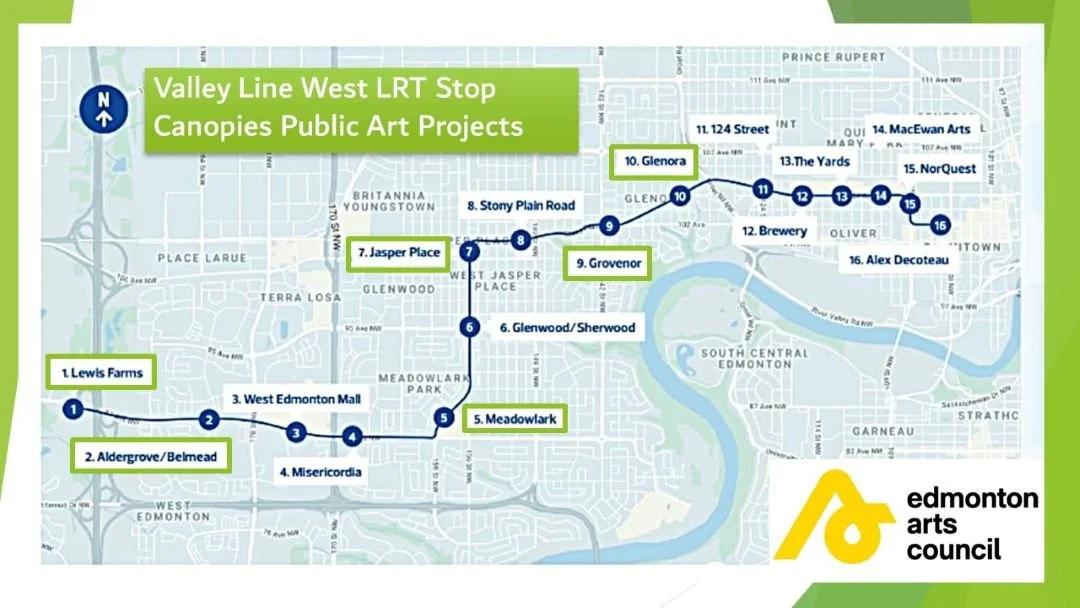
To further integrate this sustainable transit corridor into the urban fabric, the Edmonton Arts Council is commissioning six artists or teams to design permanent canopy artwork for the Glenora, Grovenor/142 Street, Jasper Place, Meadowlark, Aldergrove/Belmead, and Lewis Farms stops. 

Canadian residents are invited to submit their qualifications by February 25, 2026, to compete for an all-inclusive $110,000 budget per location, with a focus on professional experience and community engagement rather than immediate design concepts. These final installations must meet a strict 500-pound weight limit and be engineered to withstand Edmonton's extreme weather, ensuring that the "ribbon of green" is enhanced by art that reflects the unique character of each local neighbourhood.
https://www.edmontonarts.ca/calls-funding/calls-to-artists/public-art-call-valley-line-west-lrt-canopies 


Photo credit: City of Edmonton Archives
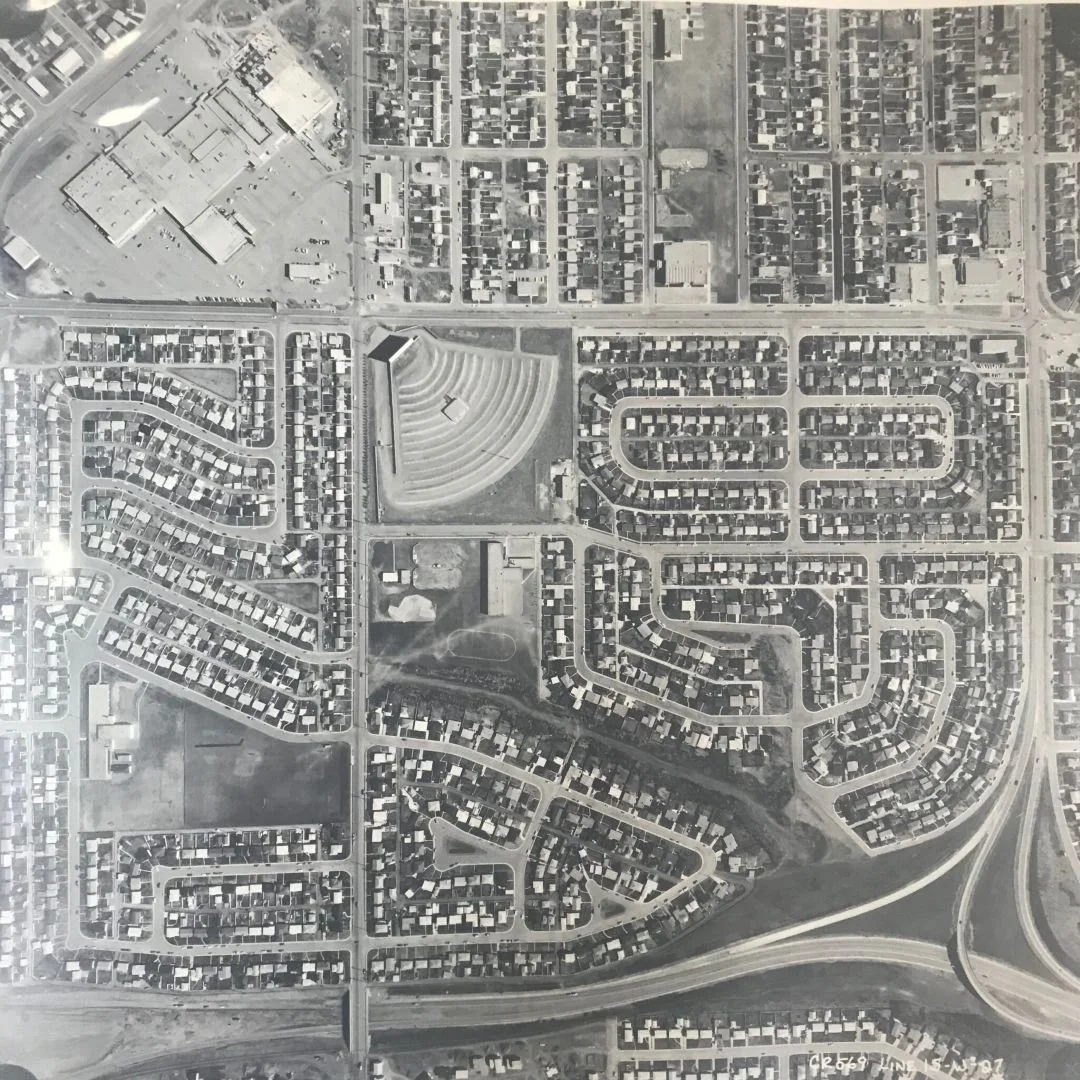
A Nostalgic Landmark: The Starlite Drive-In

Long before the tracks of the Valley Line West LRT began to take shape, the corner of 156 Street and 87 Avenue was the site of a different kind of transit-focused entertainment. In June 1949, the Starlite Drive-In Theatre opened its gates as the first facility of its kind in the Edmonton region. Located in the then-independent town of Jasper Place, the Starlite was a $160,000 marvel featuring a massive 50-foot screen and room for 650 cars. It became a community cornerstone where families could enjoy hits like Time, The Place, and The Girl from the comfort of their own vehicles—a luxury that bypassed Edmonton’s stricter early-closing bylaws of the time.

The era of the "outdoor cinema" defined local nightlife for decades, eventually making Edmonton the drive-in capital of Canada with nine active locations by the 1970s. However, the Starlite’s run ended on June 22, 1971, when it was demolished to make way for the Whitehall Square apartment complex.

The Starlite Drive-In Theatre in Jasper Place – Edmonton City as Museum Project ECAMP 
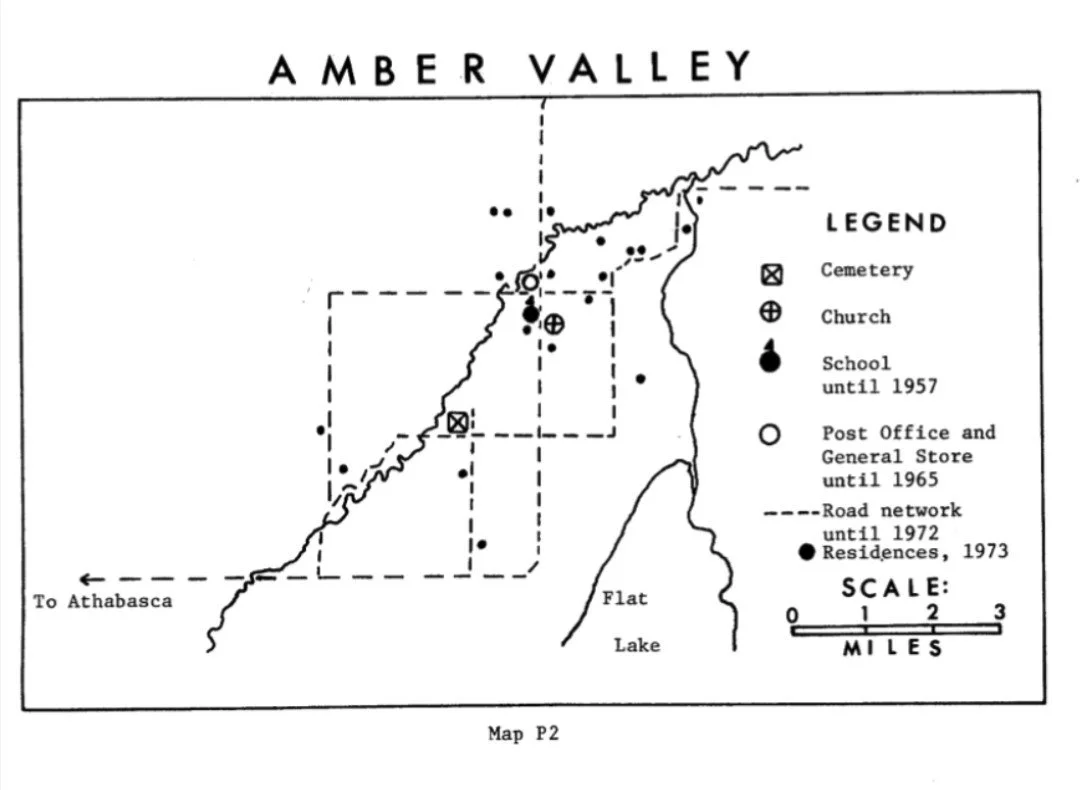

Photo credit: citymuseumedmonton.ca
Pioneers of the Prairies: Alberta’s Early Black Settlers

In the early 1900s, hundreds of Black families travelled north from the United States, primarily from Oklahoma, seeking refuge from the rise of Jim Crow laws and racial violence following Oklahoma’s statehood in 1907. Lured by the promise of 160-acre homesteads for just $10, these pioneers braved a gruelling journey across the border to establish new lives on the Canadian prairies. Upon arrival, they founded several vital rural communities, including Junkins (now Wildwood), Keystone (now Breton), and Campsie, where they built their own schools, churches, and sawmills. These settlers were not just farmers; they were entrepreneurs and community builders who transformed isolated northern landscapes into thriving hubs of cooperation and cultural resilience.

Despite their contributions, these early settlers faced significant systemic barriers and hostility from the Canadian government, which attempted to curb Black immigration through restrictive policies and public opposition. Nevertheless, the communities persisted, with many settlers becoming naturalized citizens and integral members of the Alberta fabric. In places like Breton, the Good Hope Baptist Church and Funnell School became centers of social life, while in Junkins, Black-owned companies set high standards in the local lumber industry. 

The most famous of these settlements was Amber Valley, originally known as Pine Creek, which grew to become the largest Black community in Western Canada. Founded in 1910 by nearly 300 settlers near Athabasca, the town was later renamed by local teacher Alice Cromwell, who was inspired by the golden hue of the autumn grain and falling leaves. Amber Valley became a vibrant cultural center, renowned for its legendary baseball team and a close-knit social fabric that centered around the Toles School. While many of the original buildings have since disappeared, the legacy of Amber Valley remains a powerful symbol of Black history in Alberta, representing the courage of those who carved a permanent home out of the northern wilderness.


LIVING PORTRAITS: Black Artists in Focus (Jan 31–Jun 16, 2026)

Discover "LIVING PORTRAITS", a new exhibition at Edmonton City Hall, honouring Black artists in Edmonton via five curved panels that evolve in three stages: LOOK (dignified portraits prompting reflection on public visibility), APPROACH (personal images revealing joy and creativity), and ENGAGE (AR audio where artists share their stories, neighbourhoods, and culture).

Curated by Darren Jordan with sculpture by Shoko Cesar, it aligns with the City of Edmonton's Anti-Black Racism Action Plan and Edmonton Arts Council—emphasizing relationships through attention, proximity, and listening over mere representation.


Comment or Contributions

Please note that articles may not reflect the position of NSRVCS. River Valley News is meant to be a clearinghouse for the variety of opinions and ideas about Edmonton’s River Valley.

Email river valley photos, event information, comments, or questions to nsrivervalley@gmail.com.

Forward this link to anyone you think may want to sign up for this newsletter https://www.edmontonrivervalley.org/newsletter-signup
River Valley News - Jan. 29/26

Photo credit: Evan Klippenstein / CTV News Edmonton

Heritage Status for Hemingway

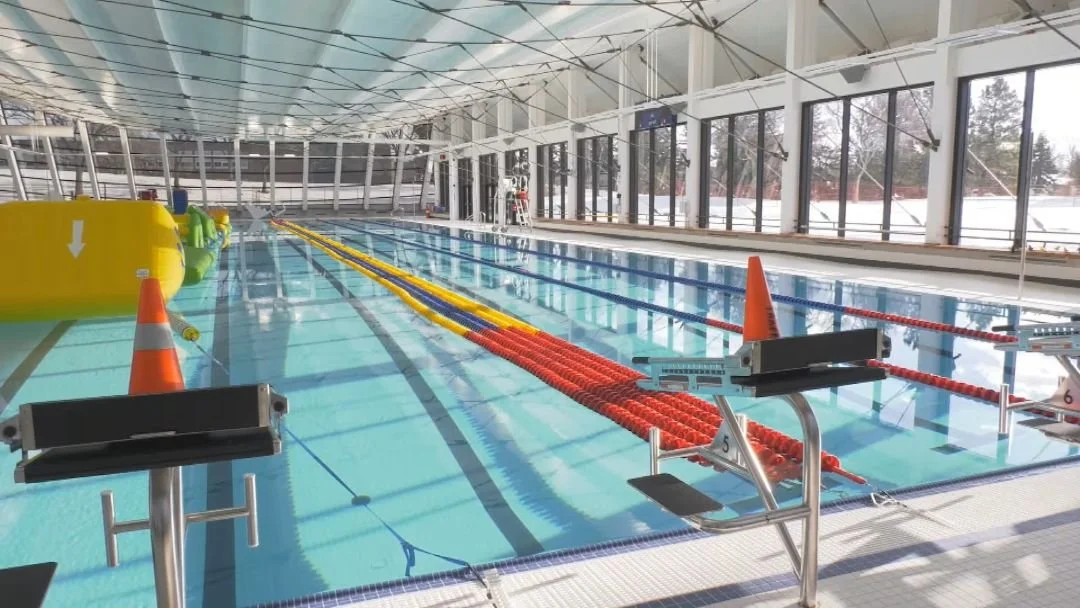
The Peter Hemingway Aquatic Centre has officially been designated a Municipal Historic Resource, celebrating its grand reopening on January 27, 2026. After five years of extensive renovations, this iconic Edmonton landmark—famed for its sweeping, tent-like copper roofline—is back in service. The designation honours the legacy of architect Peter Hemingway and ensures the preservation of one of Canada’s finest examples of Expressionist modern architecture, which was designed to reflect the transition from the Rocky Mountains to the Alberta prairies.

The modernization project successfully balanced heritage preservation with 21st-century upgrades. Beyond vital structural, mechanical, and electrical overhauls, the facility now features a new glass curtain wall, improved lighting, and enhanced accessibility via a new elevator. Notably, the center has also introduced a new cold plunge pool, adding a modern wellness trend to the historic site.

The reopening of the pool marks the completion of the larger Coronation Park Sports and Recreation Centre, creating a unified destination for sport and wellness. Mayor Andrew Knack and local officials will host a grand opening ceremony this Friday at 11 a.m. to celebrate this "brave" piece of civic infrastructure. All Edmontonians are invited to join the event and explore how this world-class facility will serve the community for decades to come.

Peter Hemingway Aquatic Centre declared Municipal Historic Resource - City of Edmonton 

Coronation Park Sports and Recreation Centre opens Tuesday 


Photo credit: NSRVCS website

NSRVCS is looking for new board members

In preparation for our Annual General Meeting in March 2026, the North Saskatchewan River Valley Conservation Society invites you to be involved with a dynamic organization seeking to preserve Edmonton’s ribbon of green for future generations. If you are interested in being nominated to the Board of Directors, please contact us at nsrivervalley@gmail.com

We participate in discussions about the future of Big Island provincial park in Edmonton’s southwest river valley, the plans for a National Urban Park that would connect ecological systems and regional landscapes along the North Saskatchewan River in Edmonton and the Metro region, and in an ongoing basis we work to conserve and preserve Edmonton’s river valley by being vigilant about developments that impact Bylaw 7188, the North Saskatchewan River Valley Area Redevelopment Plan.

We also have a vibrant communications platform consisting of a weekly newsletter, Facebook posts, and a daily presence on Instagram and Twitter. Learn more at https://www.edmontonrivervalley.org/


Photo credit: City of Edmonton website

New "Ribbon of Green" River Valley Master Plan

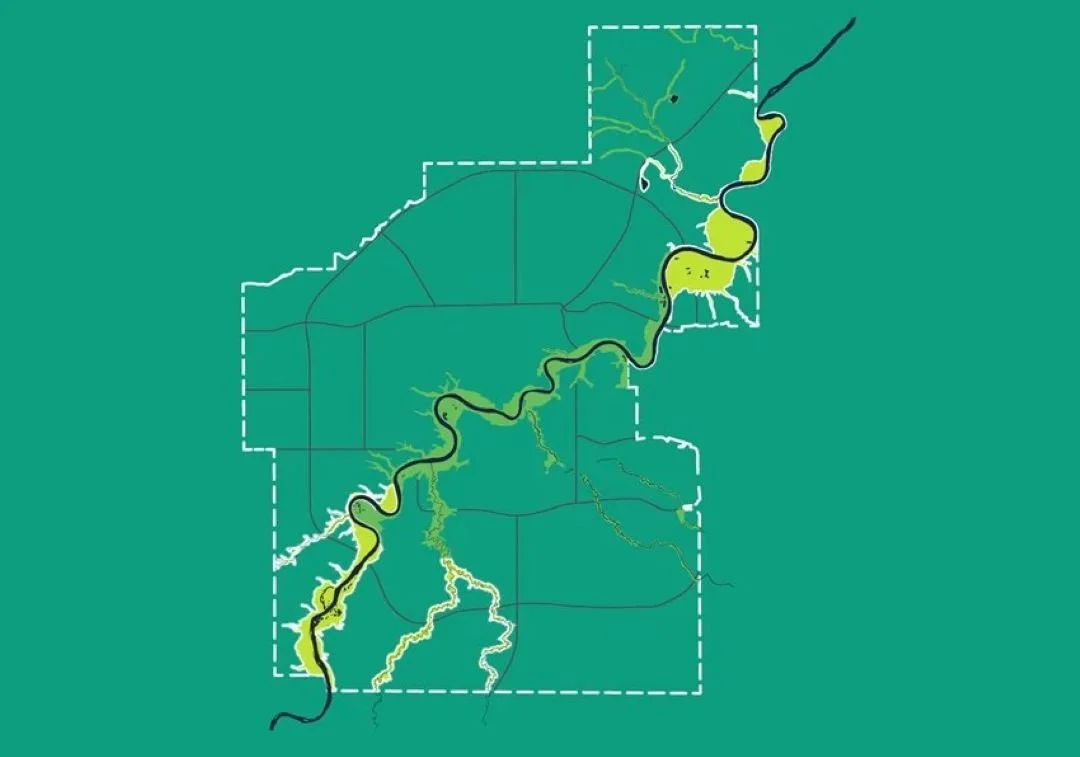
Edmonton’s City Council has officially replaced its 32-year-old river valley strategy with a new Master Plan designed to oversee the 100-km stretch of the North Saskatchewan River valley. This updated framework shifts away from the 1992 plan to better balance the preservation of the natural landscape with growing public demand for recreation, attractions, and amenities.

The plan introduces three land-use classifications—preservation, conservation, and active/working landscapes—to guide future development while aligning with climate resilience goals. Key highlights include:

  • Enhanced Access & Recreation: A new trail strategy is being developed to improve accessibility for those with mobility concerns and allow for more multi-use trails, a move welcomed by groups like the Edmonton Mountain Bike Alliance.

  • Indigenous Stewardship: The plan calls for greater Indigenous oversight and co-stewardship of the land, reflecting engagement with 23 Indigenous communities.

  • Ecological Monitoring & Land Acquisition: To protect the wildlife corridor, the city will partner with conservation groups to monitor ecological impacts and explore purchasing private land (such as fenced-off industrial sections) to ensure trail continuity.

While the vision is set, the timeline for completion depends on the next four-year budget cycle. In the meantime, council is exploring the costs to complete the remaining 25 km of trail that would fully connect Edmonton’s network to the town of Devon.

Edmonton's new river valley strategy now in effect 


Community Corner: Volunteer Opportunities & Events

Edmonton Native Plant Society (ENPS) invites volunteers to its first Seedy Tea seed packaging event of 2026 on Saturday, January 31, from 1-4pm at the Orchid Resource Centre (4459 99 St. NW, Edmonton).

Tasks include labelling envelopes, packaging native plant seeds, and possibly threshing dried plants. 2025 saw record sales requiring five packaging sessions; Apache Seed is carrying stock for a third year amid rising demand for biodiversity-supporting gardens. Max 12 volunteers; RSVP to volunteer@enps.ca. Masks optional, refreshments provided.

Follow-up sessions: Feb 15 (Sunday) and Feb 28 (Saturday). Seeds delivered to stores by March 2; major Seedy Sunday sales event on March 22.


The Edmonton Area Land Trust (EALT) offers two engaging outdoor opportunities near Edmonton this February.

Saturday, February 7, 11am-2pm at Carbyn Wildlands: Enjoy a guided tour of this new conservation area, spotting animal tracks from stoats to moose while learning about its ecology. Winter Walk at Carbyn Wildlands 

Saturday, February 28, 11am-3pm at Bunchberry Meadows: Join physically active work removing black knot fungus from chokecherries at this popular, wildlife-rich site. High exertion includes walking kilometres and using hand tools. Black Knot Buster at Bunchberry Meadows - February 


 Learn how to grow food year-round at the Passive Solar Greenhouse Workshop on Thursday, February 12 (6:30–8:30 PM) at the Millhurst Community League. Led by Master Gardener Kim Ross, this $30 session teaches you how to maintain growing temperatures at -30°C using sustainable, solar-reliant designs that cut heating costs by 90%. Register via operationfruitrescue.org , where you can also sign up for local volunteer opportunities.


Suzuanne Burwash / Winter City Weekends Illustration

Celebrate winter at City Hall Plaza every weekend through February. Enjoy Ice Grooves with live DJs on Friday and Saturday nights (6–9 PM), or head inside City Hall on Sundays (1–4 PM) for Swing 'n Skate featuring live big band and jazz music. Winter City Weekends: Ice Grooves & Swing 'n Skate - January and February 


Comment or Contributions

Please note that articles may not reflect the position of NSRVCS. River Valley News is meant to be a clearinghouse for the variety of opinions and ideas about Edmonton’s River Valley.

Email river valley photos, event information, comments, or questions to nsrivervalley@gmail.com.

Forward this link to anyone you think may want to sign up for this newsletter https://www.edmontonrivervalley.org/newsletter-signup
River Valley News - Dec. 15/25

Photo Credit: CityNews Edmonton

A Record-Breaking Year for Edmonton’s Urban Forest

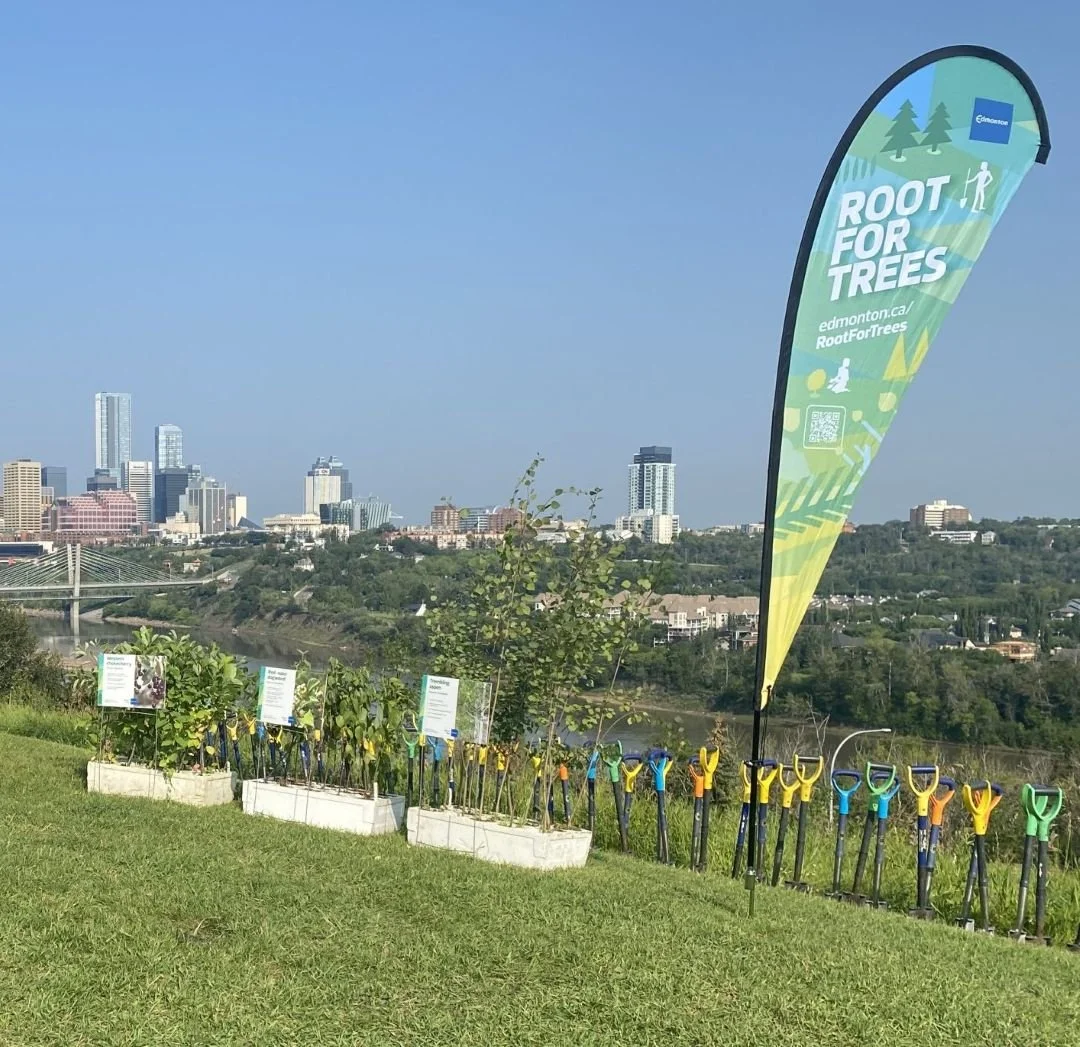
Edmonton set a new record in 2025 by planting 484,091 trees and shrubs, significantly expanding the city’s urban forest. This surpasses the 2024 total of 342,157 plantings, with most work delivered through the City’s naturalization program and the volunteer‑powered Root for Trees initiative, which alone added over 45,000 trees and shrubs. Plantings took place at 59 locations across the city, and the Grow Together program helped ensure a more equitable canopy by adding boulevard and open‑space trees in three neighbourhoods.​

These “net new” trees move Edmonton closer to its long‑term City Plan goals of planting 2 million trees and reaching 20 per cent canopy cover by 2071; since 2021, 810,546 trees and shrubs have been planted toward that target. The work is supported by $48 million from the federal 2 Billion Trees program and about $66 million in approved municipal capital funding, with planting running from 2022 through 2030. City and federal officials emphasize that a larger, healthier urban forest will improve air quality, enhance climate resilience, support biodiversity and make neighbourhoods cooler, greener and more welcoming for residents.

For more information, head to Root for Trees | City of Edmonton. If you are looking to receive program updates, fun facts about trees and interesting nature-themed activities to do around Edmonton, sign up for the Canopy Newsletter here. 


Photo Credit: Nature Conservancy Canada

Local Land Donation Protects 39 Hectares of RV Habitat

An Edmonton resident, Ken Casey, has donated his 39-hectare property near Genesee Lake in Leduc County to the Nature Conservancy of Canada (NCC), where it will be known as Casey Forest. The land lies along the North Saskatchewan River and contains largely untouched mixed-wood forest and wetlands that help provide clean water to nearby communities.

NCC notes that the property has a very high biodiversity index, meaning many different plant and animal species live there, including spruce, poplar, aspen, willow, and alder. Species of concern observed near the site include Peregrine falcons, Barred owls, and American kestrels, adding to the ecological importance of protecting this habitat.

Casey Forest connects with other conserved parcels along the river, creating a growing network of protected land that now covers roughly 106 hectares of forest and shoreline in that area. The donation was made through the federal Ecological Gifts Program, which offers tax incentives for conserving ecologically significant land, and NCC credits partners such as Cenovus Energy for helping make the project possible for future generations.

Local man donates beloved section of land near Genesee Lake to NCC | Devon Dispatch 


Photo Credit: City of Edmonton

Shaping Edmonton’s Climate Future and River Valley Trails

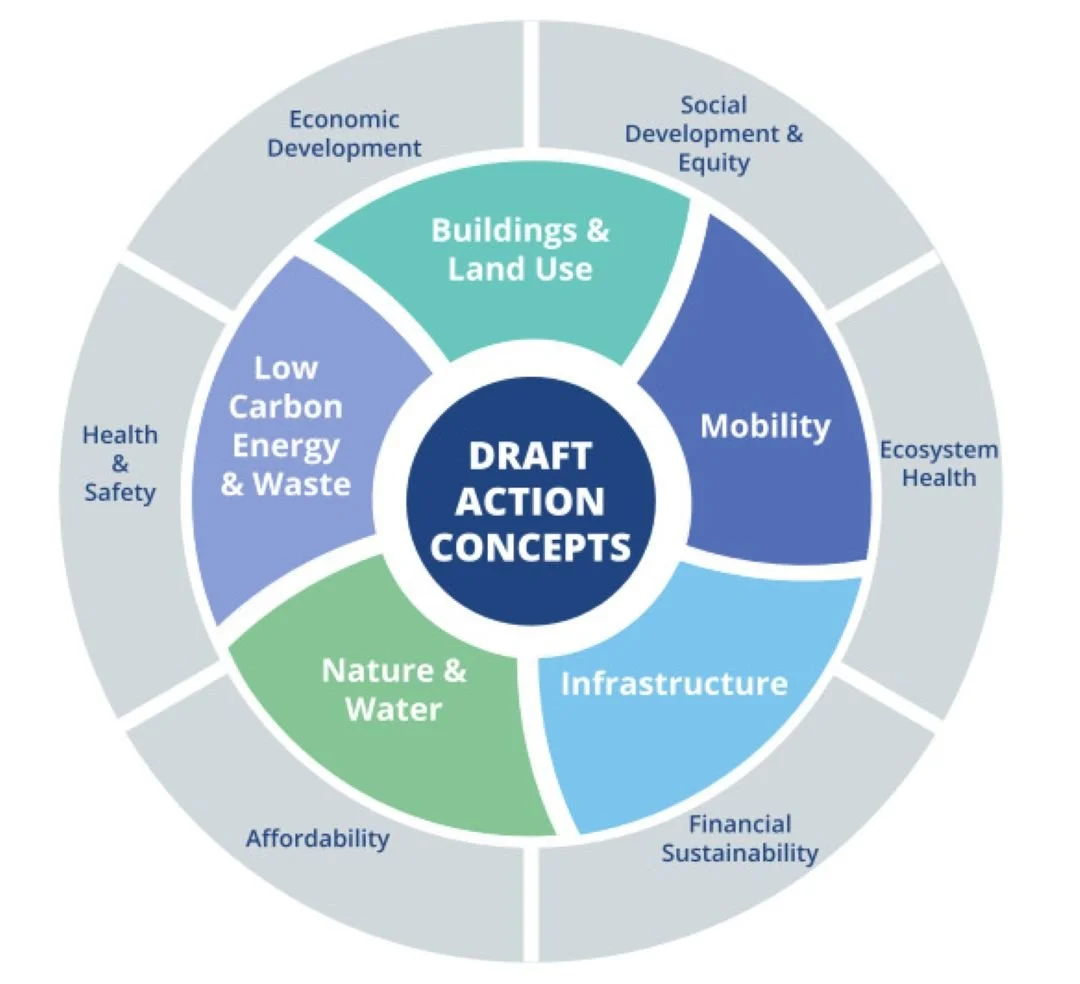
Edmonton is asking residents to help shape how the city responds to climate change at the same time as it invests in the future of the river valley. The City is updating its 2027–2030 Climate Action Plan and developing a new Wildland-Urban Interface Wildfire Risk Strategy, with online engagement open into December and January so people can share priorities for reducing emissions, adapting to hotter, drier summers, and protecting natural areas, including the river valley.​ To participate in public engagement opportunities for the Climate Action Plan, visit engaged.edmonton.ca/climateactionplan  by January 20, 2026. Residents can also review the draft Wildland-Urban Interface Wildfire Risk Strategy overview and share their thoughts from December 8 -  22 by visiting engaged.edmonton.ca/wildfirestrategy

Furthermore, the City Council’s recent fall budget adjustments add a one-time investment of $1.6 million to develop a River Valley trail strategy, which will guide how Edmonton plans, connects and maintains trails along the North Saskatchewan River while balancing recreation, access and environmental protection. The same budget decisions also respond to broader financial pressures, resulting in a 6.9 percent property tax increase for 2026—approximately $816 per $100,000 of assessed home value for the average household—and begin restoring the City’s Financial Stabilization Reserve so it is better prepared for future shocks.​

Taken together, the new funding and engagement opportunities give Edmontonians a chance to influence both the long-term vision and near-term plans for the river valley and the wider city. Residents can weigh in on climate priorities, wildfire risk management and neighbourhood planning through the City’s online engagement hub Engaged Edmonton, helping ensure budget choices and strategies on paper reflect community values on the ground.


Photo Credit: naturecounts.ca 

Quieter Skies: Why a Healthy RV Matters for Declining Bird Populations

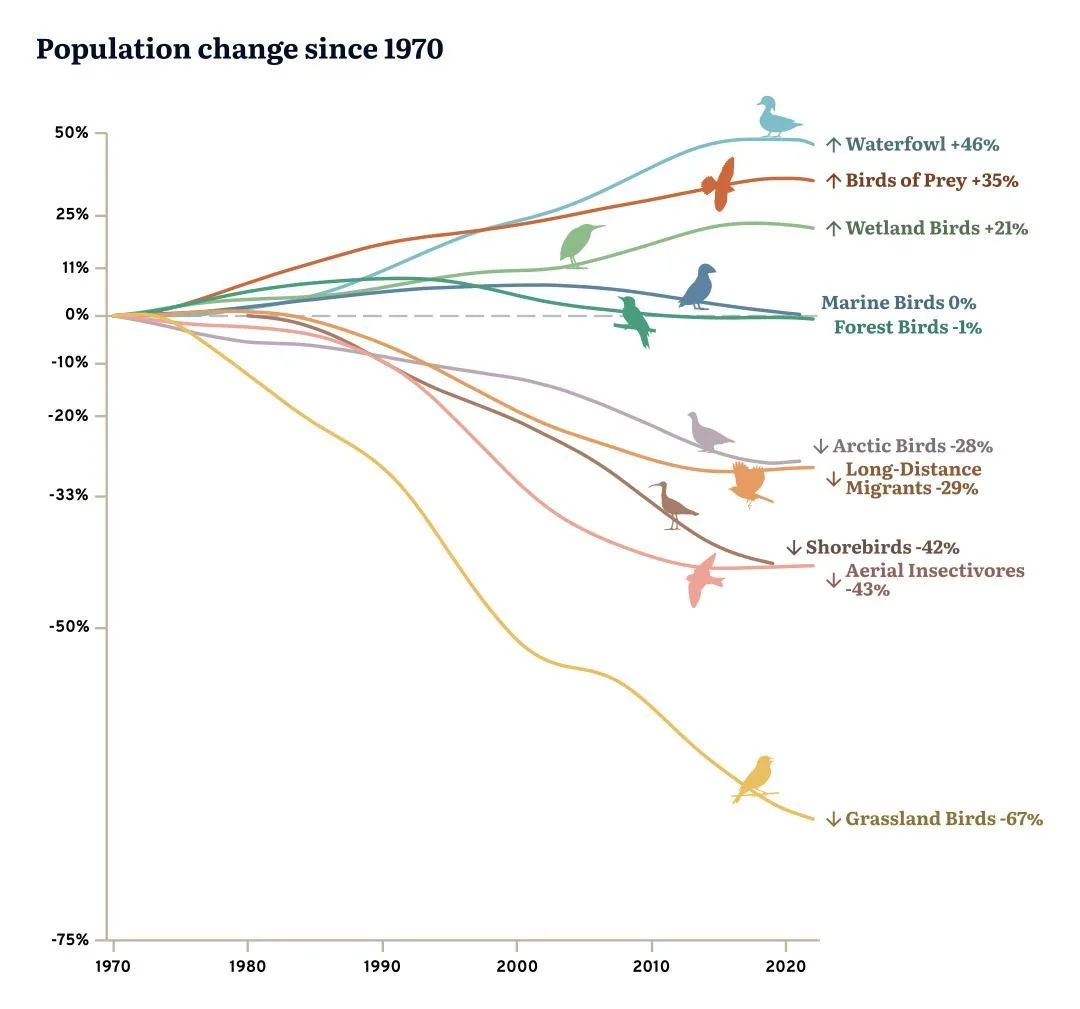
Bird populations are declining across Canada, and Edmonton’s river valley is one of the most important local refuges we have to help slow that trend. National assessments show that over one-third of regularly occurring Canadian bird species have declined since 1970, with especially steep drops for grassland birds and insect‑eating aerial insectivores such as swallows and swifts. These losses are linked to habitat destruction, climate change, pesticides, and falling insect abundance, which together make it harder for birds to find food, nesting sites, and safe migration routes.

In Edmonton, people notice this as quieter skies over their neighbourhoods and fewer birds at feeders or along familiar trails. Citizen‑science programs and monitoring projects, such as Project FeederWatch, report that some winters and breeding seasons now bring fewer individual birds to typical observation sites, and climate‑driven shifts in weather and food can move birds away from places where they used to be common. Declining insect populations add another layer of pressure, especially on species that rely heavily on flying insects during breeding and migration.

The North Saskatchewan River valley cuts a green corridor through the city, offering a mix of forests, wetlands, and open areas that still support rich communities of birds and the insects they depend on. Protecting and restoring this landscape—through measures like limiting habitat fragmentation, expanding naturalized areas, planting native trees and shrubs, and carefully planning new trails—helps safeguard nesting sites, stopover habitat, and food webs that birds need to recover. In a time of broad declines, keeping the river valley healthy and connected is one of the most direct ways Edmontonians can support birds, insects, and the wider web of life close to home.

The State of Canada’s Birds Report 

Vanishing birdsong: How climate change is altering Canada’s soundscape | Canadian Geographic 

Trends and Highlights from the 2022-23 Project FeederWatch Season - Birds Canada 

Explaining the 73 per cent decline in global wildlife populations (and what we can do about it) - WWF.CA 

Introducing The State of Canada’s Birds 


Louis Riel / Heather Shillinglaw / 1996 / acrylic on plaster

St. Albert and the Northwest Resistance at Musée Héritage Museum, St. Albert Place

Date: November 25 to April 4

In the spring of 1885, the Government of Canada officially took up arms against its citizens for the only time in the nation’s history. The 1885 Northwest Resistance brought widespread unrest to the Prairies. St. Albert was significantly invested in the conflict as the Sea of the Dioceses and a predominantly Métis community. Discover the role of St. Albert in the build-up and during the conflict, as well as the aftermath of the 1885 Northwest Resistance.

St. Albert and the Northwest Resistance 


Comment or Contributions

Please note that articles may not reflect the position of NSRVCS. River Valley News is meant to be a clearinghouse for the variety of opinions and ideas about Edmonton’s River Valley.

Email river valley photos, event information, comments, or questions to nsrivervalley@gmail.com.

Forward this link to anyone you think may want to sign up for this newsletter https://www.edmontonrivervalley.org/newsletter-signup