River Valley News - Feb. 26/26

In This Issue

  • Gibbons Prairie: Exploring Alberta’s ancient cactus badlands.

  • Local Events: Gardening swaps and conservation films.

  • River Safety: Hidden dangers of moving ice.

  • Wintering Ducks: Survival at wastewater treatment plants.
Resilient Cacti of the North

You’ve likely seen Gibbons in the news lately, but perhaps not for the reasons the town would hope. Recent CBC reports indicate that the town is facing a multimillion-dollar financial crisis, with possible insolvency and even dissolution looming. The path to recovery will be difficult and lengthy for both the council and residents. But did you know just beyond the modern townsite of Gibbons lies a landscape that has remained virtually unchanged for centuries? 

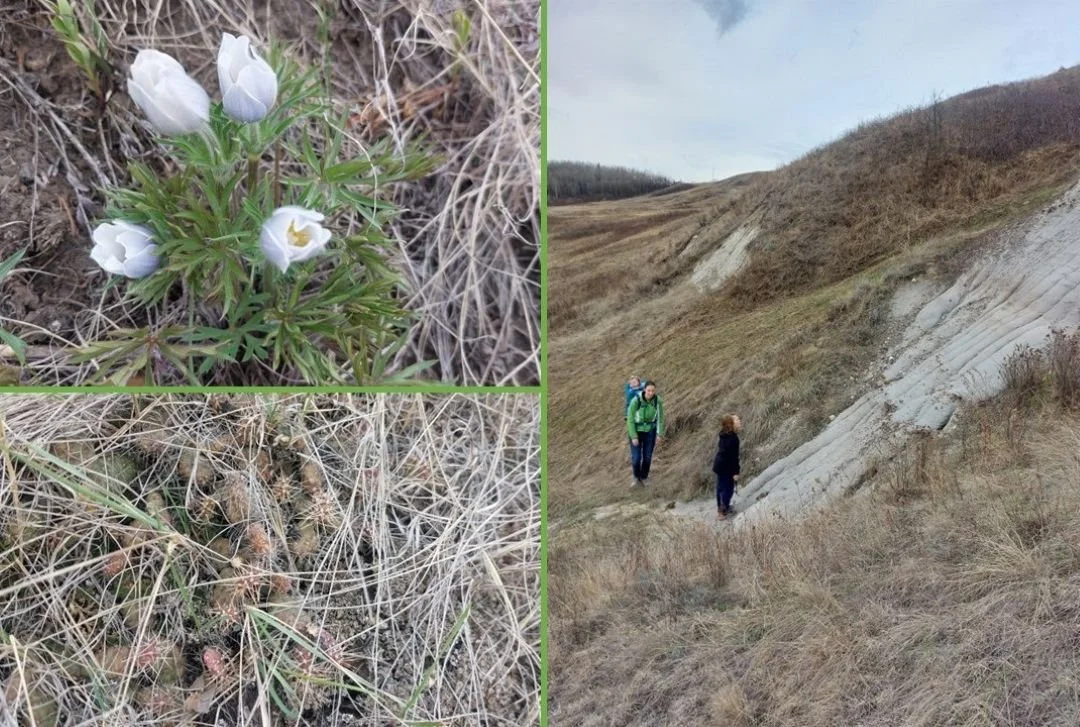
According to the North Saskatchewan Watershed Alliance, the Gibbons Prairie/Badlands is a rare "living museum" of pre-settler Alberta—a pocket of land that escaped the transformation of the surrounding agriculture and industry. This unique ecosystem is defined by rugged badland formations and native grasses that once covered the entire province. Among its most resilient residents is the Brittle Prickly Pear cactus (Opuntia fragilis). 

These hardy plants are biological marvels, capable of surviving Alberta’s -40°C winters by dehydrating their cells to prevent freezing. In early summer, these cacti burst into waxy yellow blooms, offering a vibrant contrast to the arid, sandy slopes they call home. It is a place where history is measured not in years, but in geological eras.
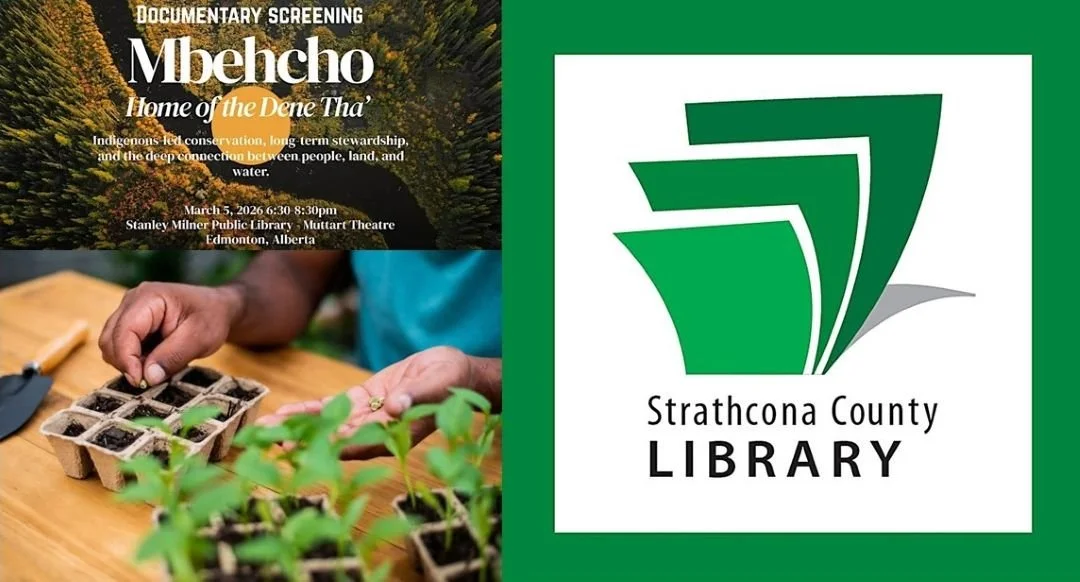

Green Spaces & Cultural Places: Upcoming Local Events

The Strathcona County Library hosts the Everything Garden Seed Exchange on Saturday, February 28 (10:00 AM – 1:30 PM) at the Community Centre. This free event features a seed and tool swap alongside expert presentations on worm composting, bird-friendly gardening, and fruit tree biology, with advanced workshops like snow-seeding and grafting continuing until 4:15 PM.

Join the Dene Tha' First Nation and CPAWS Northern Alberta for the public premiere of  Mbehcho: Home of the Dene Tha on Thursday, March 5 (6:30 PM – 8:30 PM) at the Stanley A. Milner Library’s Muttart Theatre. This evening of traditional drumming and film explores Indigenous-led stewardship of Bistcho Lake, a critical sanctuary for caribou and wolverine; tickets are available via Eventbrite.

Kickstart your indoor garden at the Muttart Conservatory’s Herb Seed Starter Workshop on Thursday, March 12. Participants will learn seedling care while creating a custom planter, followed by a guided evening tour of the conservatory’s current "Prehistoric Paradise" pyramid display. Spaces are limited, so be sure to register through movelearnplay.edmonton.ca to secure your spot.
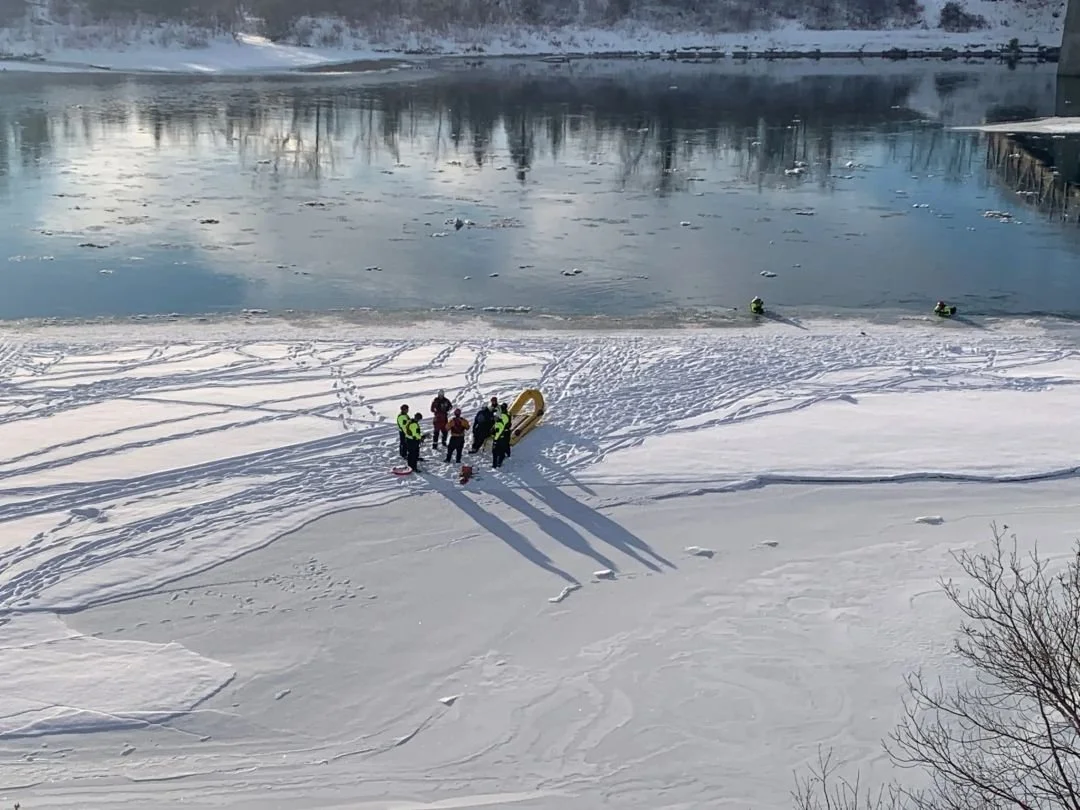

Photo credit: Cam Cook, Global News
The Dangers of River Ice: Stay Safe and Stay Off the NSR

While it may be tempting to imagine skating down the NSR as one would on the Rideau Canal in Ottawa, the City of Edmonton warns that the river is extremely unsafe for winter recreation. Unlike other Canadian waterways, the North Saskatchewan does not freeze reliably; attempting to walk or skate on it is strictly prohibited and carries a $500 fine.

The primary danger lies in the river's constant motion. Even when the surface appears solid, the water beneath remains in a state of flow, creating thin, unpredictable ice and unstable banks. These deceptive conditions are further complicated by fast underwater currents and strong undertows that can pull people or pets under the ice sheet in an instant.

Hidden hazards such as floating debris, fallen trees, and muddy shorelines also make the ice’s structural integrity unreliable. Because of these risks, Edmonton Fire Rescue Services responds to over a hundred river-rescue calls annually. The city emphasizes that the ice is never safe, regardless of how low the temperature drops, and urges residents to stick to monitored, maintained skating locations like the Victoria Park Freezeway or local community rinks instead.
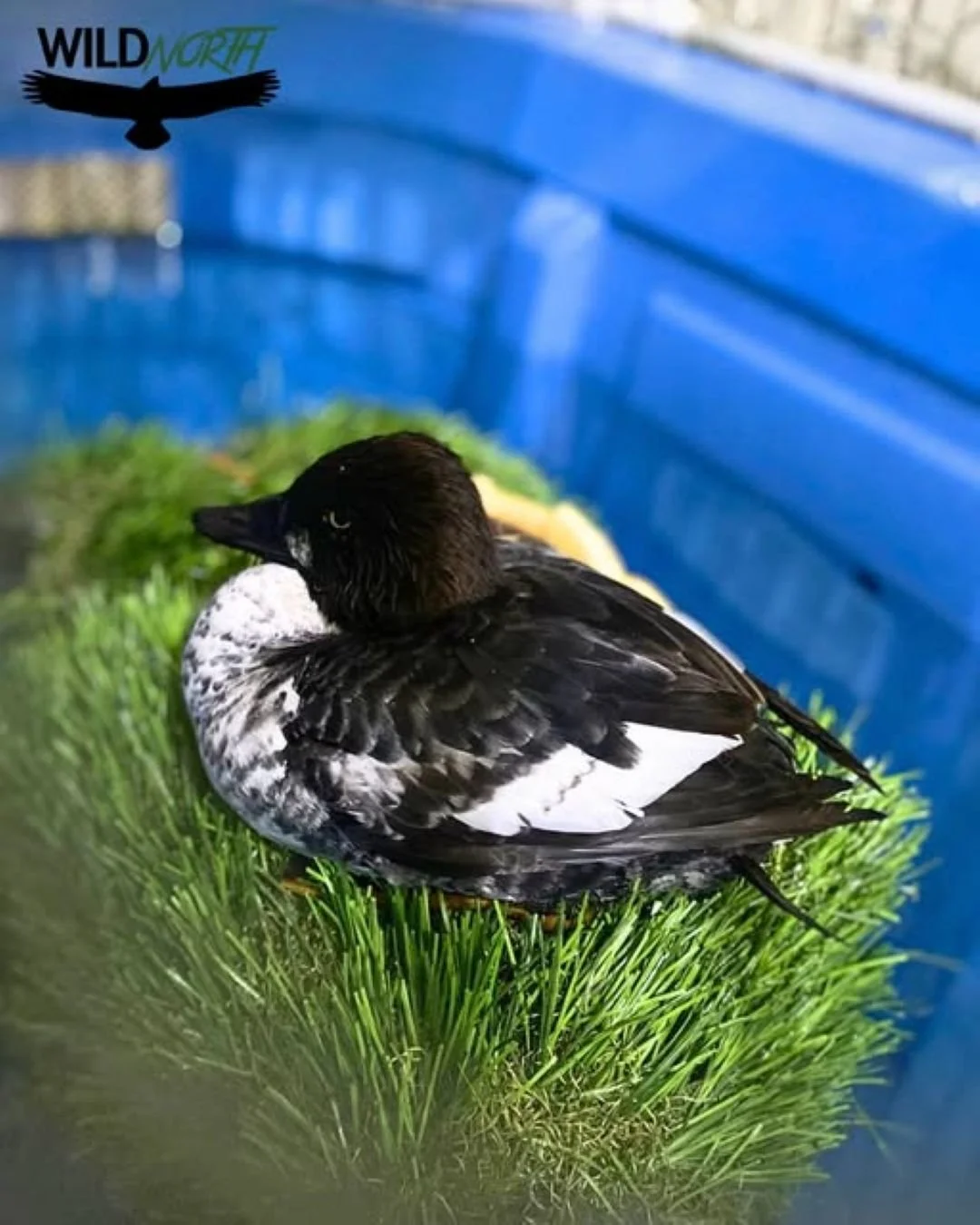

Photo credit: WILDNorth
Why Some Ducks Skip Migration

Every winter, a "renegade" group of mallards elects to skip the cross-continental flight south, choosing instead to make their home in and around Edmonton’s wastewater treatment facilities. While a factory processing human waste might not seem like a paradise, these sites offer a critical resource: open water. The secondary clarified effluent water (SCEW) remains at a hospitable temperature of over 10°C even during extreme cold snaps, providing a safe place for birds to sleep and drink. However, researchers suggest this may be an "ecological trap"; many of these ducks are juveniles that hatched too late to build the strength for migration, and they often struggle with a lack of food, losing up to 30% of their body weight over the winter.

WILDNorth recently admitted several ducks found in the greater Edmonton area that failed to migrate. These winter residents often arrive with minor frostbite on their webbing, parasitic infections, and signs of being underweight. Once treated and stabilized, the rehabilitation team must decide whether to overwinter the patients or release them back onto the river during a winter warm spell. While these birds are incredibly resilient, their presence highlights the complicated relationship between urban infrastructure and wildlife survival.

To foster a better understanding of these urban ecosystems, WILDNorth and EPCOR have partnered to offer Wildlife Interaction & My Community a free program for Grade 7 classes. The 45-minute presentation explores local wildlife issues and includes a 30-minute tour of a stormwater facility, teaching students about urban biodiversity and safety. Educators can request a presentation for the 2025-2026 school year by visiting wildnorth.ca.
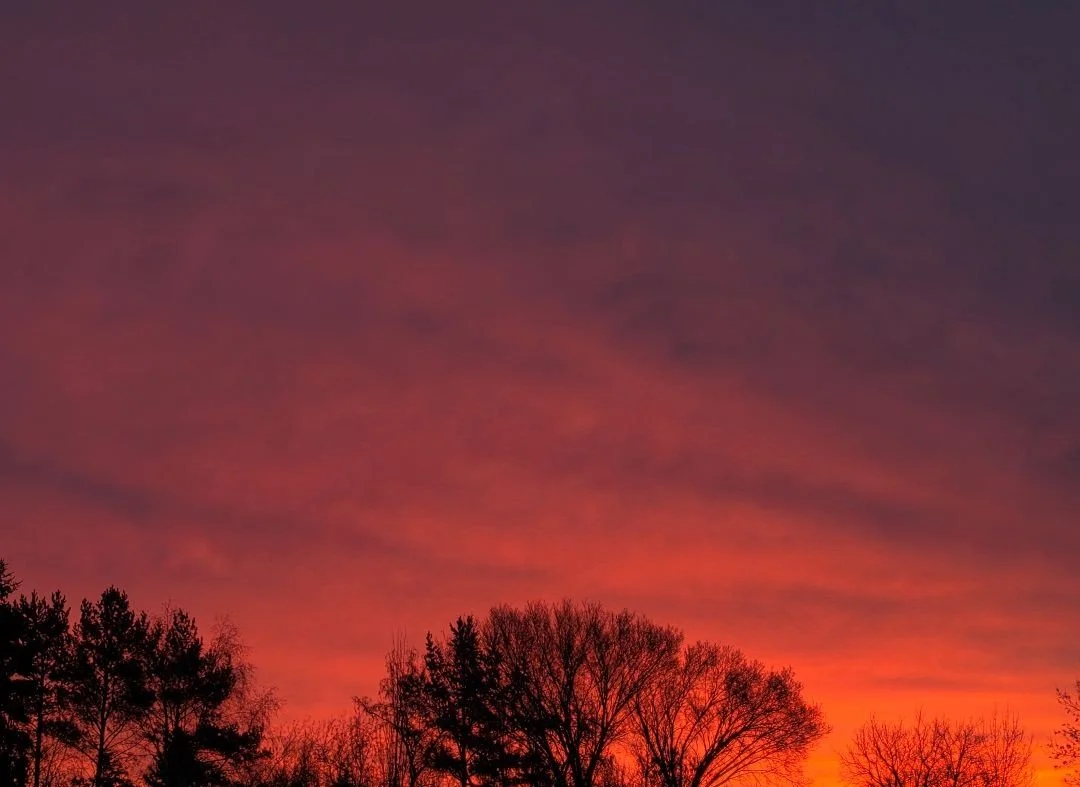

Winter Sunrise


Comment or Contributions

Please note that articles may not reflect the position of NSRVCS. River Valley News is meant to be a clearinghouse for the variety of opinions and ideas about Edmonton’s River Valley.

Email river valley photos, event information, comments, or questions to nsrivervalley@gmail.com.

Forward this link to anyone you think may want to sign up for this newsletter https://www.edmontonrivervalley.org/newsletter-signup
River Valley News - Feb 19/26

NSRVCS Annual General Meeting

Dear River Valley News readers,

The 2026 North Saskatchewan River Valley Conservation Society AGM occurs on March 9, starting with a feature presentation from 5:30 to 6:15pm, followed by the AGM from 6:15 to 7:00pm. You can attend either or both.

The feature presentation is by Tom Radford, following his family's relationship to the North Saskatchewan from their arrival in 1905 to the present day, charting the changes in both the river itself and the community's relationship to it.

Tom Radford founded Clearwater Documentary, an innovative producer of online, television, and theatrical documentaries for the national and international market. Clearwater has produced over fifty years of history, biography, science, and entertainment programming with a distinct western Canadian focus.

Based in Edmonton, Radford has produced storytelling with a visual and political flair. His latest film, Peggy and Balmer, is a feature documentary which examines the evolution of newspapers in Alberta and their political and social impact.  

The feature presentation is followed immediately by the AGM from 6:15 to 7:00 pm. The AGM provides a brief overview of the society’s activities in 2025, an update of its financial situation, and the election of the Board of Directors.

If you wish to attend either, RSVP to nsrivervalley@gmail.com, and you will be sent the Zoom link on Friday, March 6.


Photo credit: David Fairless
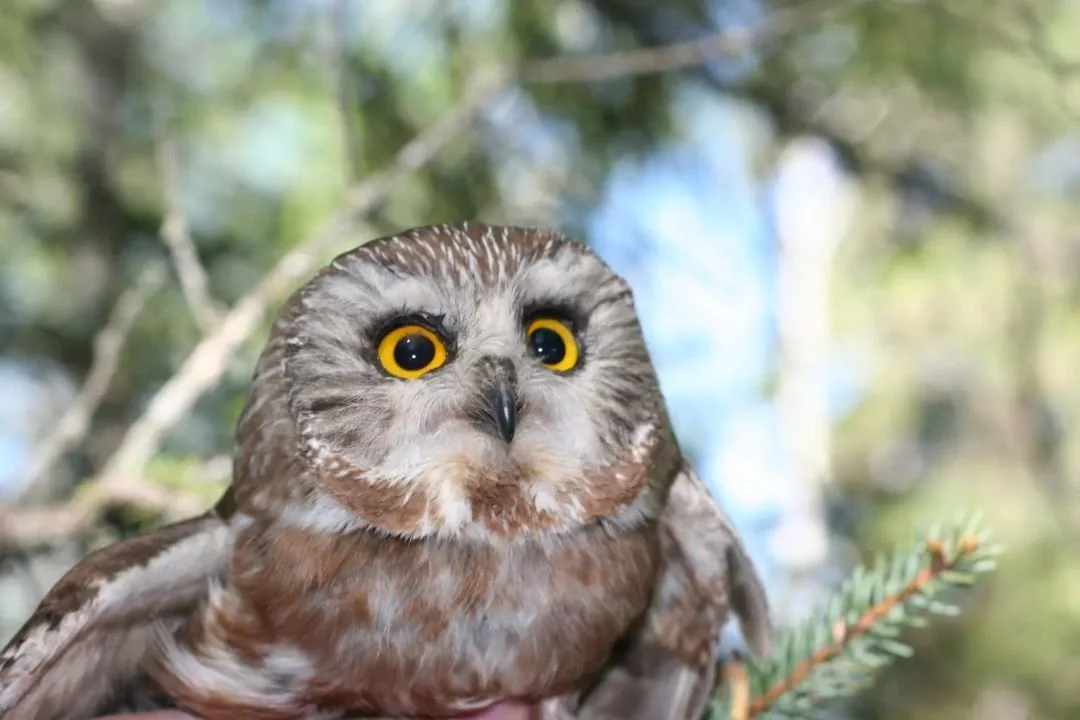
BBO: Banding, Education, and Impact

The Beaverhill Bird Observatory is currently seeking volunteers for its upcoming field season, running from May through October. Opportunities range from short-term shifts assisting with songbird banding to immersive long-term stays at the field station where volunteers help with all aspects of migration monitoring.

To get involved, interested individuals must become a lifetime member for $10 and complete a brief online application and training process. Once finished, you’ll gain access to the volunteer portal to begin booking your shifts and contributing to vital research just east of the city.

TheBeaverhill Bird Observatory’s BirdSmartoutreach program continues to see impressive growth, reaching a record audience of over 10,000 participants during its most recent winter season. This success is driven by a diverse range of curriculum-linked presentations, including new topics like Birds and Body Systems and Birds and Migration, which are brought to life for students and community groups by live education birds such as Tansi the Great Horned Owl and Keith the Red-tailed Hawk. By offering bilingual programming in French and expanding its reach to rural Alberta, BirdSmart ensures that the vital message of bird conservation and climate change remains accessible to all, fostering a deeper connection between Albertans and their feathered neighbours.


Photo credit: Edmonton Horticultural Society
Healthy Trees, Healthy Harvests: Managing Black Knot

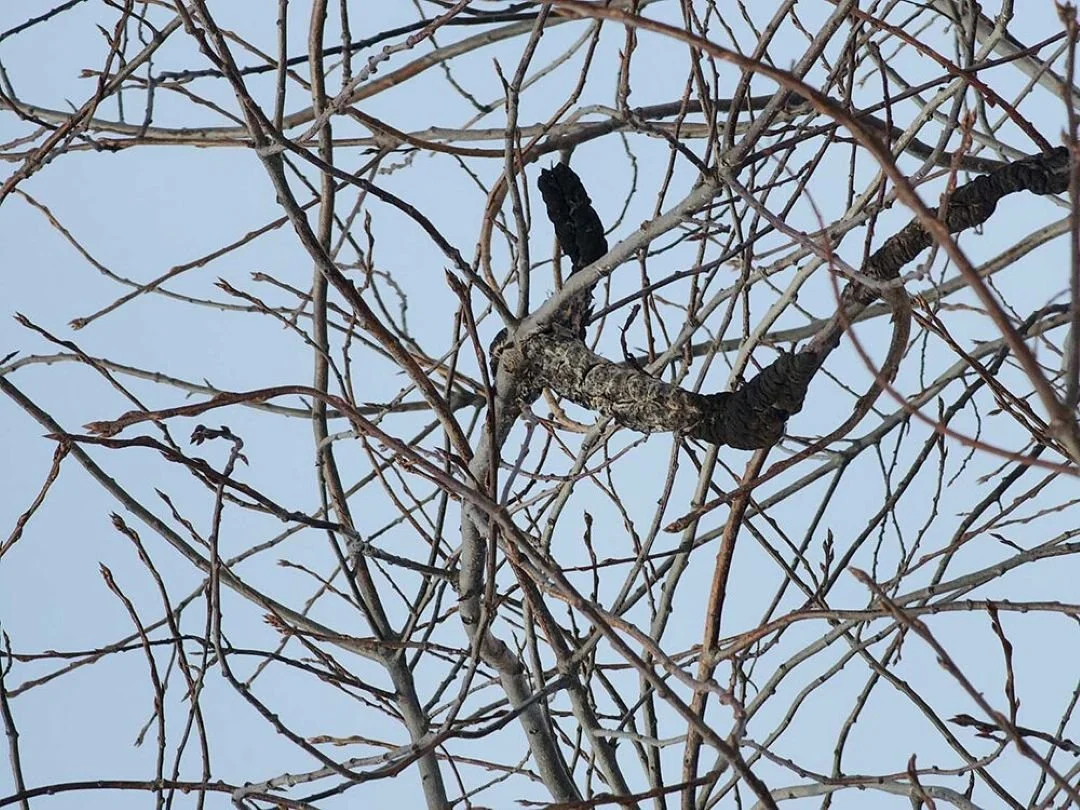
Pruning is about more than just shaping your trees; it is a critical defence against Black Knot (Apiosporina morbosa), a common fungal disease that plagues Edmonton’s fruit and ornamental trees. Often described as looking like "scat on a stick," these rough, black galls can girdle branches and eventually kill the tree if left untreated. Because the fungus spreads through spores during wet spring weather, the late winter months are the ideal time to prune away infections while the tree is dormant.

To help you tackle this, Operation Fruit Rescue Edmonton (OFRE) is hosting hands-on Tree Pruning Workshops on February 27 and 28, 2026. Led by certified master arborists, these sessions offer practical training on how to assess tree health, use the right tools, and make clean cuts to boost fruit yield and prevent disease. Whether you are a beginner or a seasoned gardener, you'll gain the confidence to care for your apple, pear, and cherry trees in Edmonton’s unique climate. Registration is required, so visit operationfruitrescue.org to secure your spot.


Photo credit: EALT Conservation Coordinator
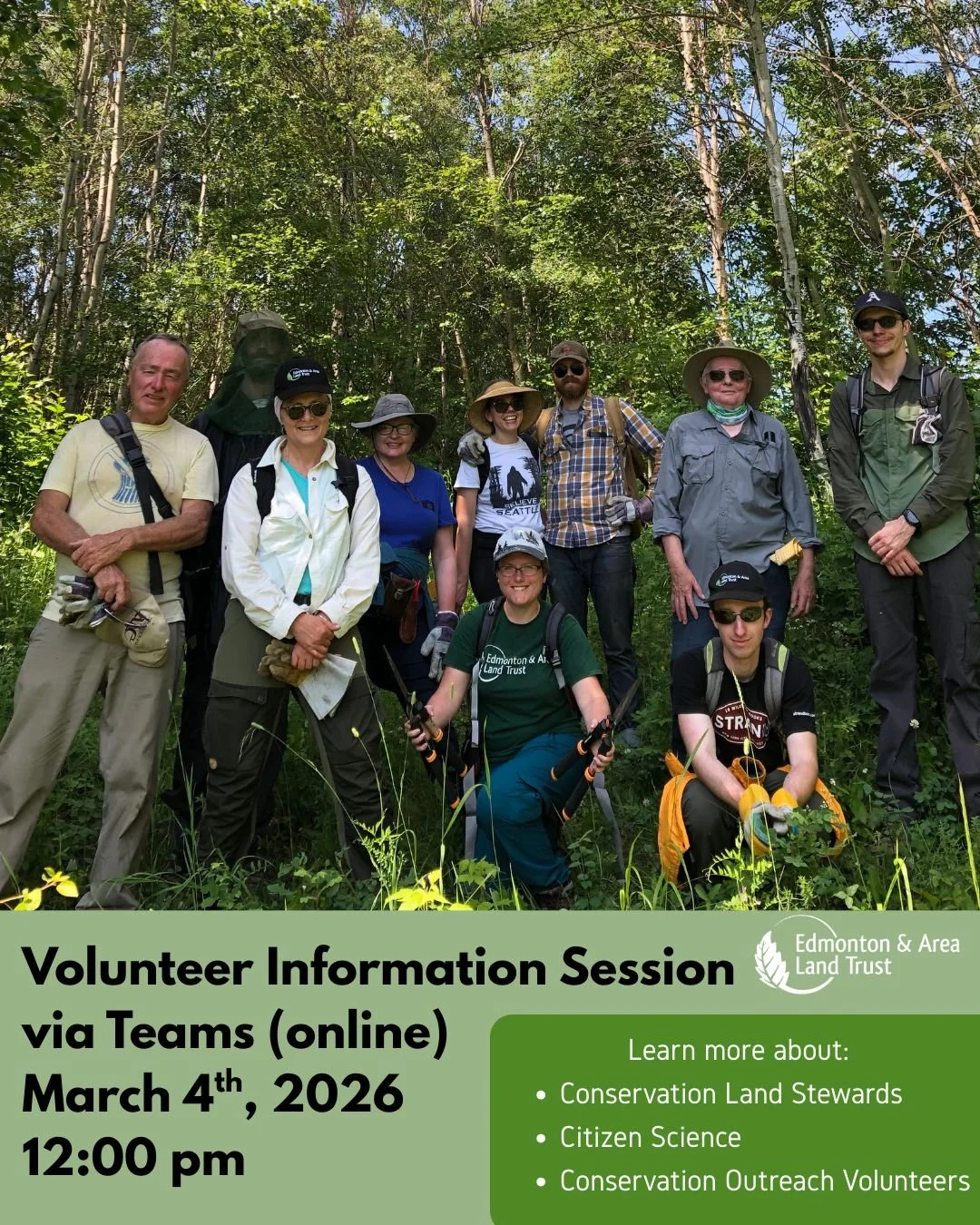
Volunteer In Conservation with the EALT

Join an EALT Online Information Session on March 4, 2026

As a local charity with a small staff team, the Edmonton and Area Land Trust (EALT) empowers volunteers to steward their conservation lands, monitor wildlife, and increase awareness about their work. Join the volunteer team at a Conservation Land near you! 

There are opportunities for a variety of commitment levels: 

  • join at an event - all training and tools provided

  • visit a site up to twice per month to steward the land or
    monitor wildlife

  • volunteer from home creating nature-themed content for
    social media

  • engage with the public at an information booth or workshop

You can learn more about all of their opportunities at their upcoming online info session. You do not have to attend the session to join the volunteer programs. 

March 4 - 12 PM - Register here: Volunteer Info Session | Meeting-Join | Microsoft Teams 

After the info session, applications will be open for volunteer programs. 

  • Stewardship Events and Outreach - join anytime

  • Conservation Land Stewards and Citizen Science - apply by April 15

Find out more about their volunteer opportunities on their website: https://www.ealt.ca/volunteer

Receive emails of their upcoming volunteer stewardship events (no experience required) by signing up for their newsletter - https://ealt.us4.list-manage.com/subscribe?id=55625da027&u=62e30fd24a25665326aa30d96


Breathe I & II / Robbin Deyo / 2026

Powder-coated aluminum / Coronation Park Sports and Recreation Centre


Comment or Contributions

Please note that articles may not reflect the position of NSRVCS. River Valley News is meant to be a clearinghouse for the variety of opinions and ideas about Edmonton’s River Valley.

Email river valley photos, event information, comments, or questions to nsrivervalley@gmail.com.

Forward this link to anyone you think may want to sign up for this newsletter https://www.edmontonrivervalley.org/newsletter-signup
River Valley News - Feb. 12/26

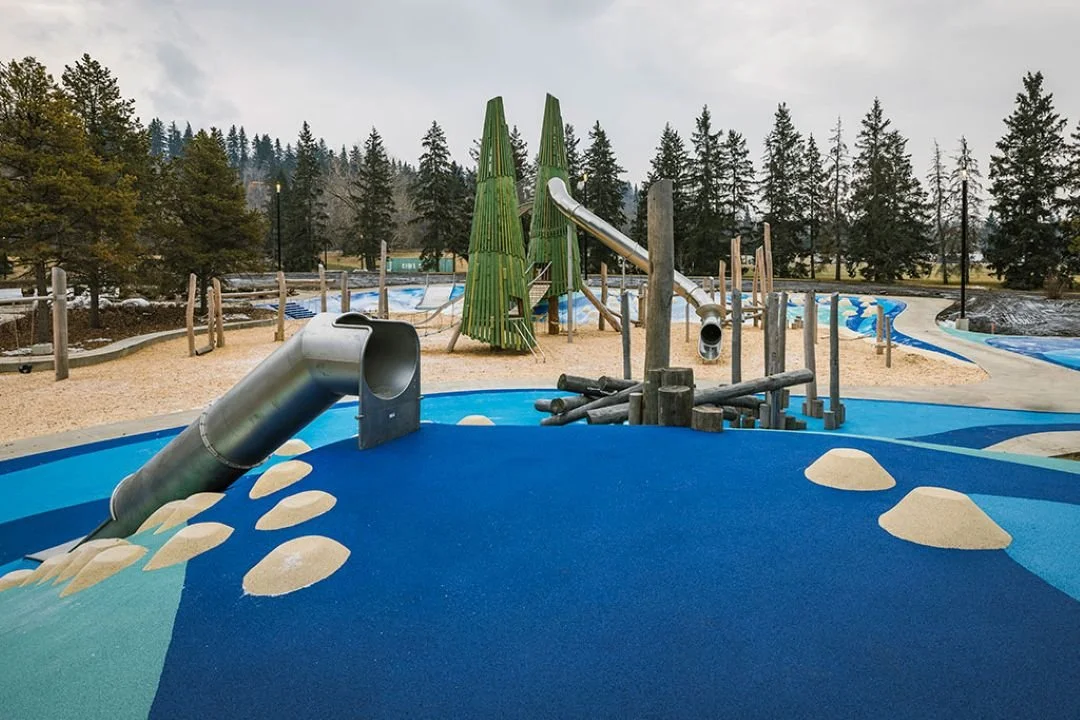
Photo credit: City of Edmonton
William Hawrelak Park Welcomes Visitors Back This March

The City of Edmonton is excited to announce that the iconic William Hawrelak Park will officially reopen on March 13, 2026. Following a comprehensive three-year rehabilitation project that began in 2023, the park has been modernized to ensure it remains a premier gathering space for generations to come.

The Legacy of William Hawrelak

As the gates reopen, we look back at the park’s namesake. William Hawrelak served as Edmonton’s mayor for three separate terms between 1951 and 1975. A polarizing yet undeniably influential "builder" mayor, Hawrelak oversaw the city's massive post-war expansion. While his career was marked by both significant controversy and populist success, his most enduring legacy was preserving this 136-acre site—originally called Mayfair Park—as a public green space. In 1975, it was renamed in his honour, cementing its status as the "living room" of Edmonton’s River Valley.

What’s New at the Park?

The rehabilitation addressed critical utility and facility infrastructure while introducing several exciting upgrades for visitors to enjoy:

  • Lakefront Promenade: A beautiful new way to experience the water’s edge.

  • Modernized Pavilion: Updated facilities and refreshed gathering spaces.

  • Enhanced Accessibility: Fully paved perimeter paths and multi-use trails designed for people of all ages and abilities.

  • New Playground: Upgraded equipment for families to explore.

  • Year-Round Recreation: Improved spaces for walking, biking, snowshoeing, and winter picnics.

Key Dates to Remember

  • March 13, 2026: Park officially reopens for casual use (walking, biking, picnics).

  • May 30, 2026: Grand Opening Celebration for the Rehabilitation Project.

  • June 1, 2026: Picnic site bookings and major festivals/events officially return.

While the park will be open starting in mid-March, visitors may notice some minor "finishing touch" work and commissioning activities as crews finalize the project. We look forward to seeing the community return to this cherished green space!


February in the RV: Community, Conservation, and Connection

Join Edmonton's Winter Bike to Work Day on Friday, February 13: Hit free pop-up pit stops (7-9 AM, 3:30-5:30 PM) along river valley routes like Groat Bridge and High Level, hosted by Councillors Stevenson, Rutherford, and others—warm drinks, treats, no registration needed. For more information, head to: Winter Bike to Work Day 

Discover how plants endure Edmonton's harsh winters and detect spring at the Edmonton Native Plant Society's guided walk—exploring adaptations like antifreeze sugars and dormancy in river valley species. Join on Sunday, February 15, 12–2 PM at Emily Murphy Park. For more information and to register, visit the ENPS website at enps.ca 

Join the River Valley Alliance's Community Engagement Committee (CEC) for a relaxed February CEC Winter Walk through Laurier Park on Saturday, February 21, from 1:00–3:00 PM—a 5 km mostly flat loop. Dress for the weather and consider ice cleats/spikes if the trails are icy. For more information and to register, go to: rivervalley.ab.ca/events/february-cec-walk-through-laurier-park/ 

Join New Grocery Movement at Earth’s Refillery Co-op on February 26 for a donation-based screening of Anna Kuelken’s documentary Insecure, followed by a panel discussion on food inequality in Edmonton. Doors open at 6:00 PM for this community-centred event exploring how local collective action can transform vulnerable food systems. NGM presents: Insecure, a documentary film screening on food security in Edmonton 


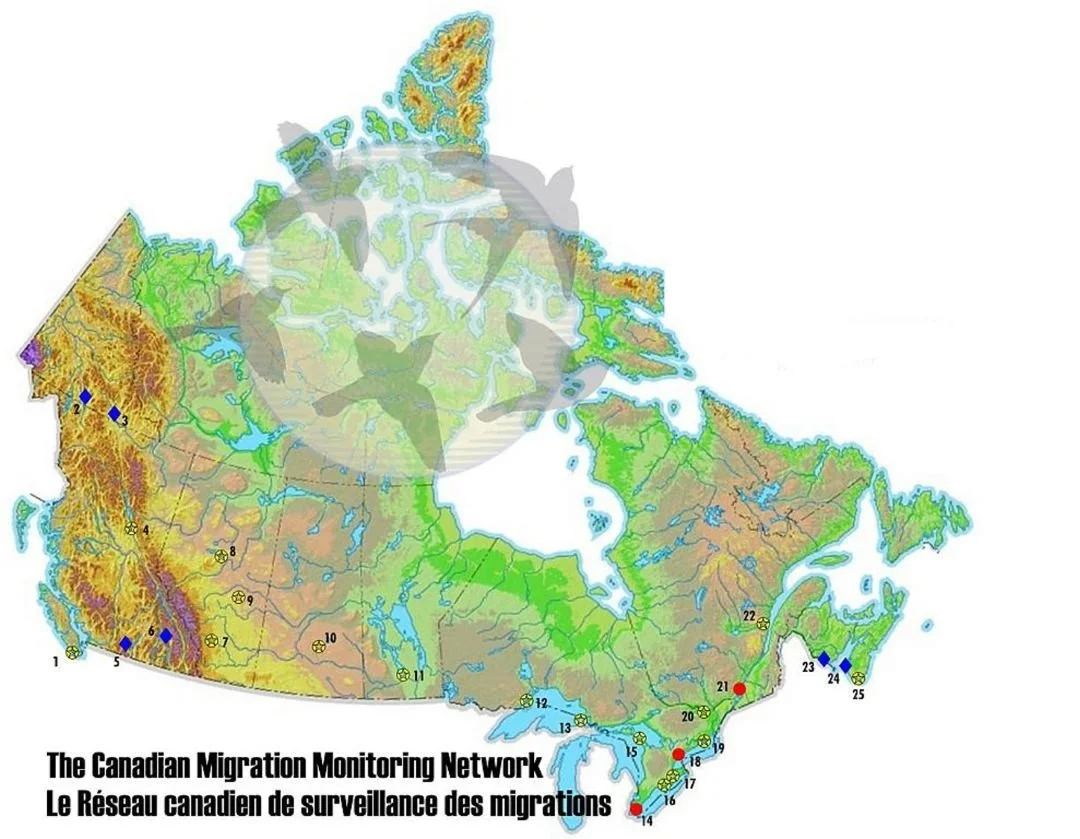
Photo credit: birdscanada.org 
The CMMN and the Flight of Northern Alberta’s Birds

The Canadian Migration Monitoring Network (CMMN) is a collaborative effort between bird observatories, Birds Canada, and the government to track the population trends and health of over 200 bird species. By conducting standardized daily counts during migration, the network provides essential data on species that are difficult to monitor in their remote northern breeding grounds.

In Northern Alberta, two key stations play a vital role in this research: the Lesser Slave Lake Bird Observatory (LSLBO) and the Beaverhill Bird Observatory (BBO). LSLBO, located within the Lesser Slave Lake Provincial Park, is the northernmost station in the network and serves as a critical monitoring point for boreal-nesting songbirds as they funnel through the narrow corridor between the lake and the Marten Mountains.

Further south but still integral to northern monitoring, the Beaverhill Bird Observatory near Tofield is the oldest research station in Canada. It focuses on the diverse bird populations moving through the Beaverhill Natural Area, a designated Important Bird Area. Both stations offer unique opportunities for the public to witness bird banding firsthand, providing a window into the complex migratory journeys that connect Alberta’s wilderness to the rest of the hemisphere.


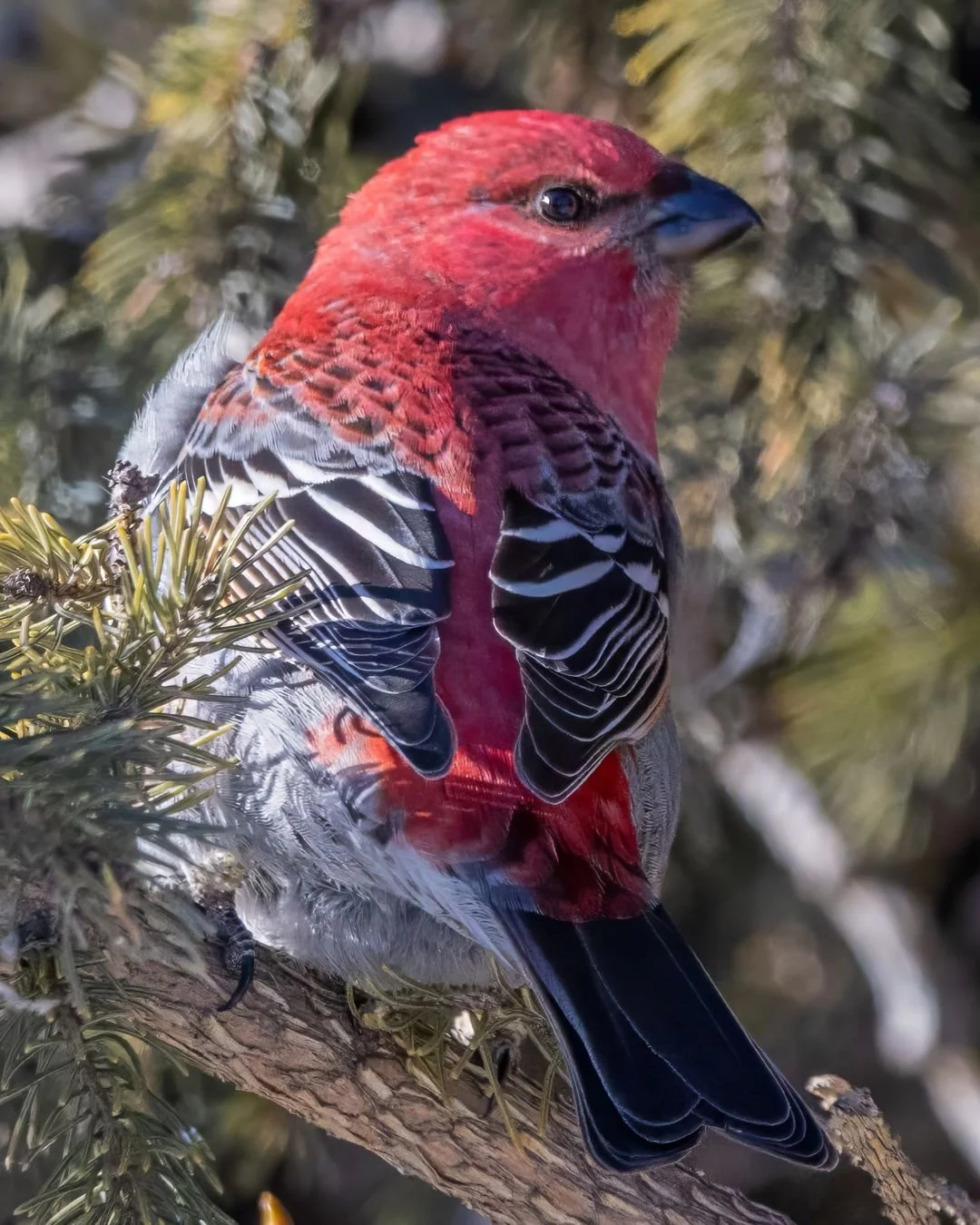
Photo credit: Emmanuel Pocsidio Facebook
The Rosy Red Winter Visitor

The Pine Grosbeak is a standout winter visitor in Edmonton, easily recognized by its large, robin-sized frame and the striking rosy red plumage of the mature males. These birds are members of the finch family and are considered an "irruptive" species, meaning they travel in small, social groups based on the availability of food sources like spruce-fir forest seeds and berries.

In backyards, Pine Grosbeaks are known for their calm demeanour and frequent visits to feeders to eat sunflower seeds and suet. They require larger hopper or platform feeders to accommodate their size and are often seen eating snow for hydration during the colder months. Despite being a common sight in Alberta winters, their populations have seen a significant decline of approximately 70% since 1966, making every backyard sighting a special event. Fun Facts about Pine Grosbeaks 


Feedback - Plastic Pollution Concerns: Brushing vs. Blading

https://albertaviews.ca/plastic-blues/  

Hello. I am from Nanton, where I undertook a campaign to stop the town from using the plastic bristle sweeper on our pathways, streets and sidewalks. My article "Plastic Blues," Alberta Views, December, 2023, was shortlisted for an Alberta Magazine Award, 2024. It illustrates how difficult it is to get these polluting machines off the streets, despite petitioning every level of government multiple times, despite the consequences to the environment. 

You will be pleased to learn, it was worth my persistence. I spent four years walking the entire town, collecting kilograms of these sticks (each of which weighs almost nothing), during all seasons, since they don’t magically disappear, making presentations to Town Council, writing letters and this article…Finally, the Town of Nanton stopped using the bristle machines The Mayor quietly told me, “It was the right thing to do.” Private contractors still use the small sweepers, but I only occasionally find one or two orange sticks. On the big sweepers, they fall off in clumps. They are attached to the steel roller with hot glue. Makes sense in cold weather, right? I heard every excuse under the sun as to why the machines were necessary, but suddenly I noticed fewer bristles needing to be collected and thrown in the trash, as they cannot be recycled. Now I spend my time enjoying the pathways, rather than picking up sticks. 

As we all know, plastics do not break down in the environment but rather persist as microplastic which has now been found in breastmilk and in human heart. There is no reason to use these machines. What did they do previously, to clean the bridges? That was my question in our town, and it’s been answered: return to blades. Keep insisting and don’t give up.

Lise 

Nanton, Alberta


The River
Artists: Carla Rae Taylor, AJA Louden, Dana Belcourt, Matthew Cardinal, and community collaborators
Location: University LRT Station (near HUB Mall)

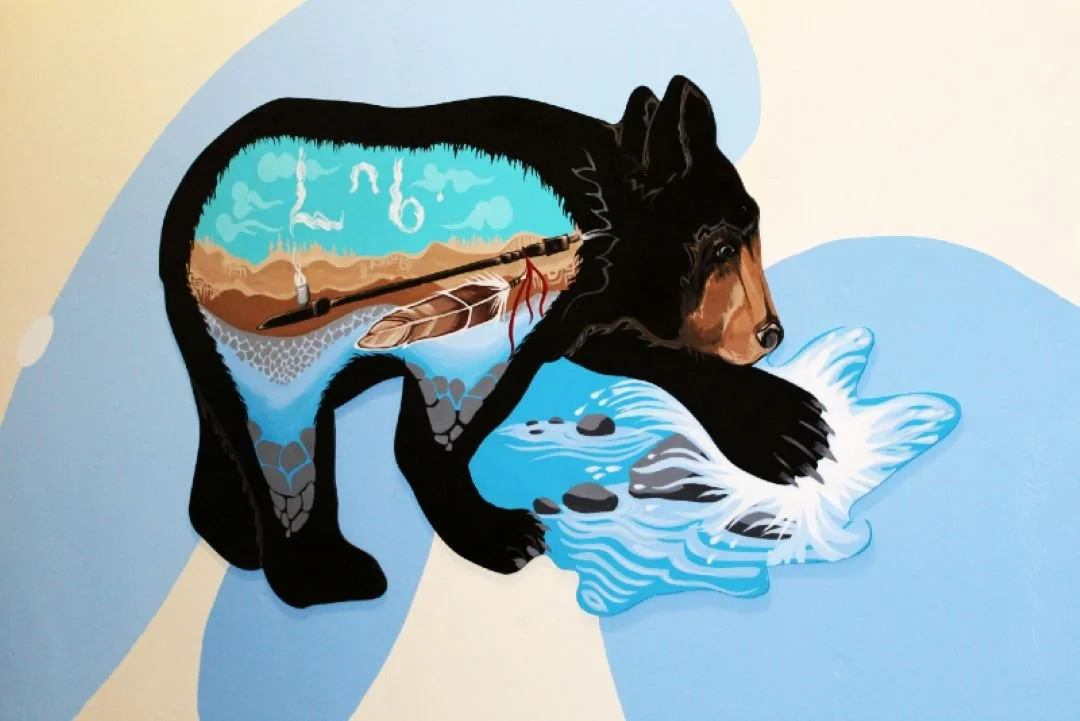
Spanning seven landings of the stairwell, “The River” is a vibrant mural that flows through the University LRT station, honouring the local landscape and its animal inhabitants. Created during iWeek 2018 with community input, the piece transforms a functional transit space into a welcoming corridor that celebrates the rich history and ecological spirit of the North Saskatchewan River.


Comment or Contributions

Please note that articles may not reflect the position of NSRVCS. River Valley News is meant to be a clearinghouse for the variety of opinions and ideas about Edmonton’s River Valley.

Email river valley photos, event information, comments, or questions to nsrivervalley@gmail.com.

Forward this link to anyone you think may want to sign up for this newsletter https://www.edmontonrivervalley.org/newsletter-signup