River Valley News - July 28, 2022

Wolf Willow residential parking program feedback requested
On November 1, 2021, after discussions with Wolf Willow Crescent residents and City Council support, a one-year resident-only parking program trial was initiated for the Wolf Willow stairs access area. The trial is being conducted to explore ways to balance the needs of residents to be safe and reduce traffic and parking congestion while providing access to the river valley.

Edmontonians are invited to share their feedback about the trial by responding to a survey, attending an online meeting, and sharing your experience and feedback about the resident-only parking program trial in the Wolf Willow stairs access area. The results of this engagement and the survey will be used along with research, enforcement, and operational data to evaluate the parking program. You can share your feedback until September 6 at https://engaged.edmonton.ca/wolfwillow
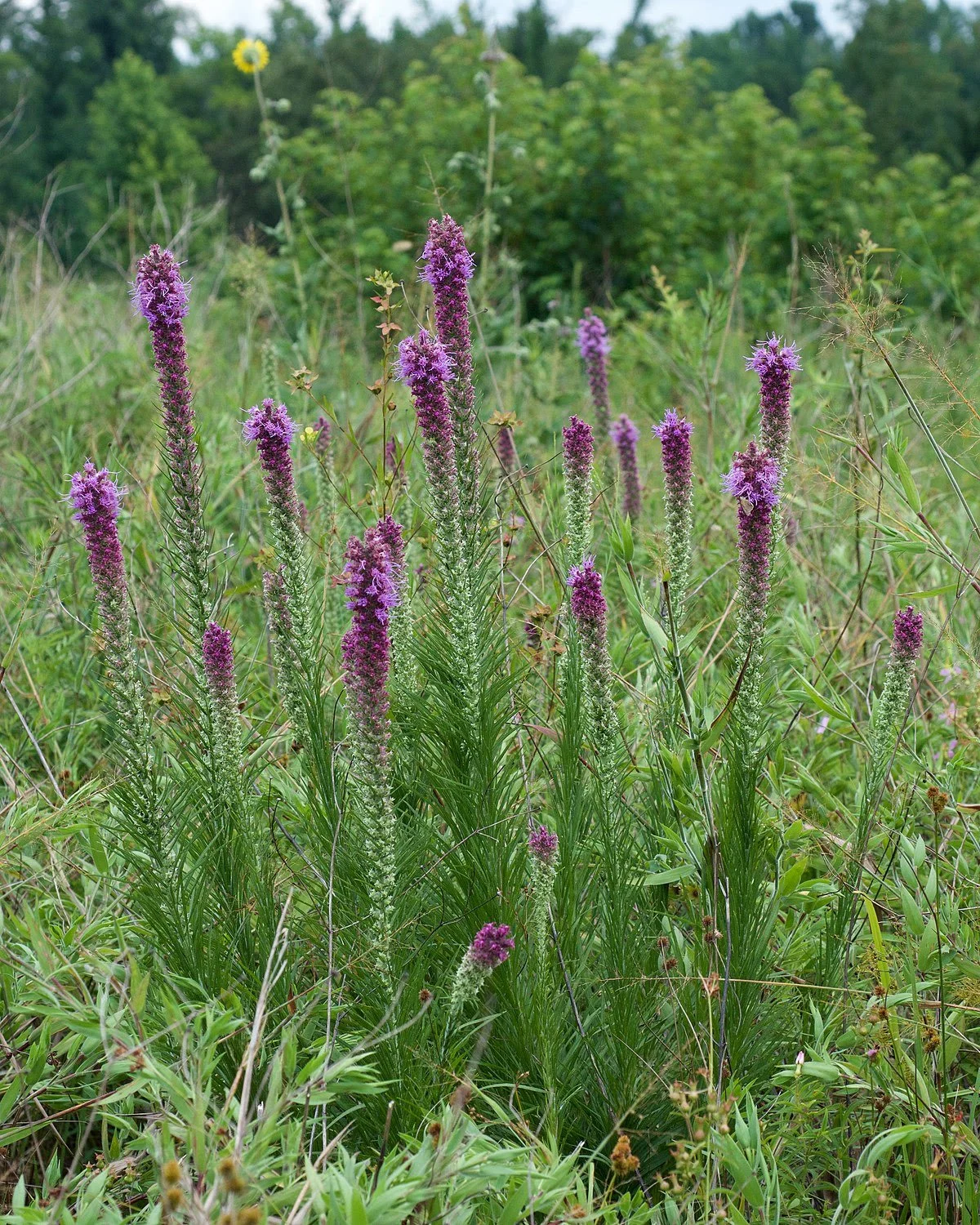
Meadow Blazingstar excellent addition to any native plant garden
Blazingstar is a familiar flowering plant on the Canadian prairies. Unlike other asters, its heads have disc flowers, but lack ray flowers. With it showy purple flowers, this species would make a beautiful addition to any native plant garden.

Meadow Blazingstar blooms pink-purple flowers from July to August. Butterflies, other insects, and hummingbirds favor the nectar-rich flowers. Its small, dry fruits contain a single seed and in late fall attract Black-Capped Chickadee and other seed-eating birds such as Finches and Pine Siskins. More at https://www.prairiepollination.ca/plante-plant/liatris_a_styleligule-meadow_blazingstar/
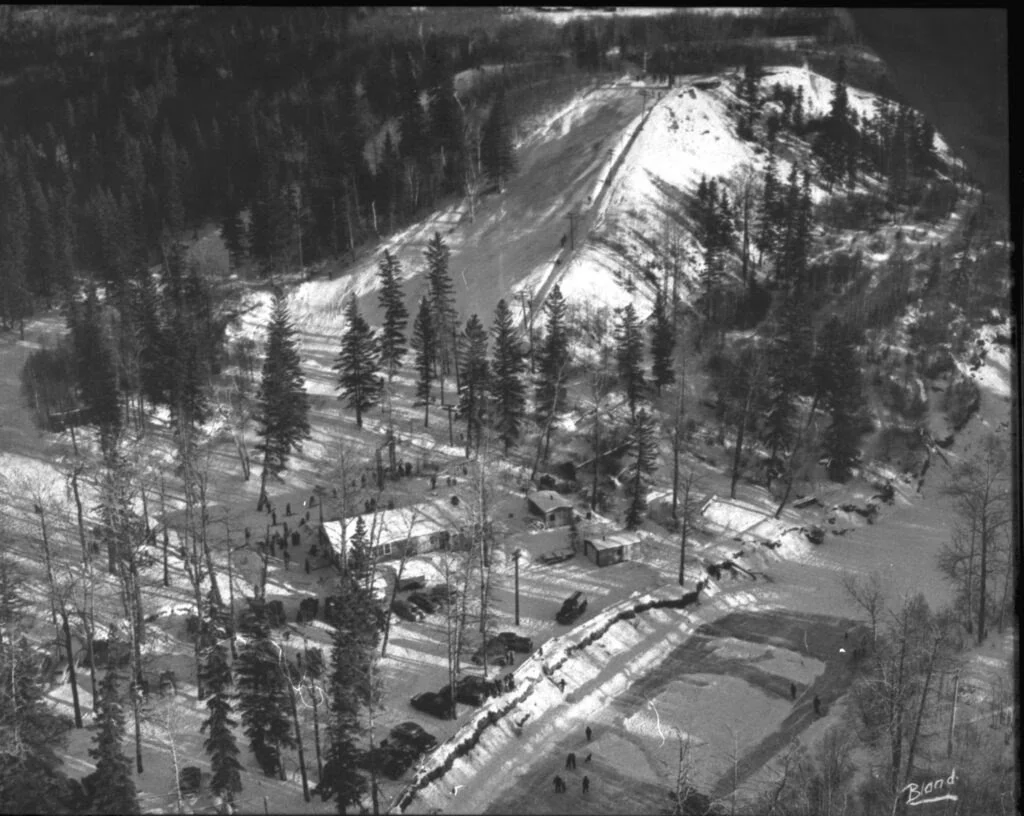
Keillor farm an everlasting river valley retreat
In 1915, from his vantage atop Saskatchewan Drive in what is now Belgravia, Dr. Frederick Keillor saw that this land was special. He was looking west into the North Saskatchewan River valley, which had just experienced a once-in-a-century flood that had left much of it underwater. He noted that this plot of land, stretching west to Whitemud Creek, was unaffected.

When World War I broke out, Keillor went overseas as member of the Royal Army Medical Corps. After being discharged in 1918, he returned to Edmonton with a desire to connect with the land and an interest in the well-being of his fellow human beings, Keillor purchased that unaffected river valley parcel from the Imperial Bank, which had repossessed it from entrepreneur John Walter after the 1915 flood had flushed away much of his fortune. Thus begins the story of Keillor farm.

With the young city of Edmonton sprawling out onto the prairie landscape, Keillor recognized the therapeutic and restorative potential of his new 160-acre purchase. He saw the potential for returning soldiers to use the land as a much-needed respite to help them through the trauma of what they had just experienced. Beginning in the 1920s, Edmontonians flocked to the land to picnic, ski, and hike.

During this time, Keillor’s legendary altruism began to take root. He created infrastructure for electricity to power not only his cabin, but also a nearby ski club in need of a powered lift where the Alfred J. Savage Centre is today. When the city’s trees suffered from insect infestations, he planted a tree nursery to replace more than 500 of them. Read more at https://citymuseumedmonton.ca/2022/07/07/an-everlasting-river-valley-retreat/
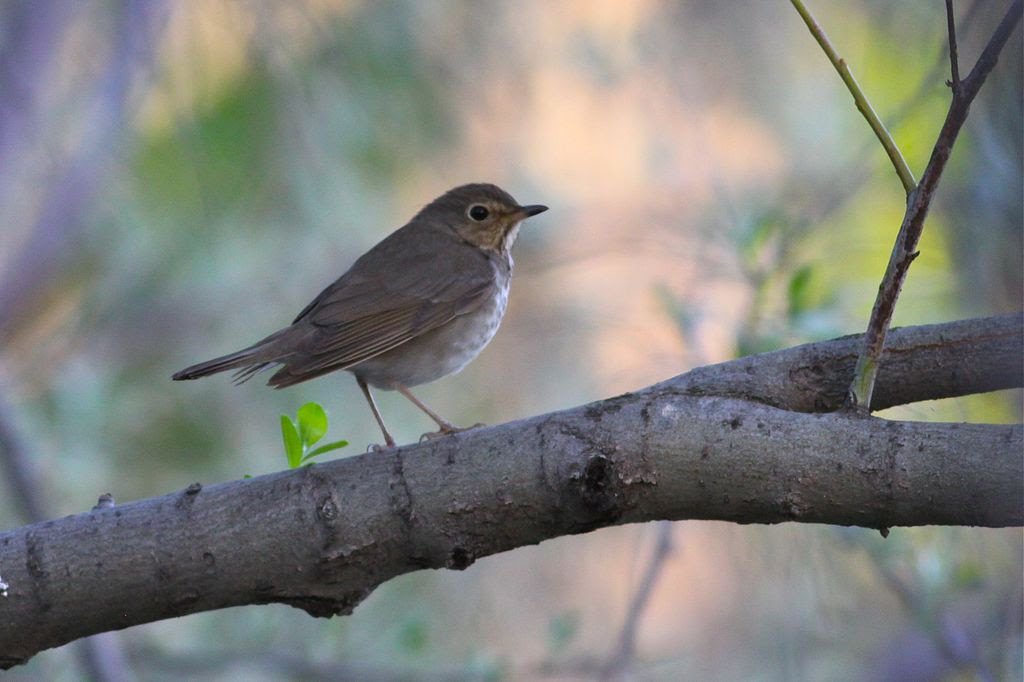
Swainson’s Thrushes more likely to be heard than seen
This bird becomes numerous across most of forested North America during migration in spring and fall. During migration, their soft, bell-like overhead “peeps” may be mistaken for the calls of frogs. Though these birds can be hard to spot on the ground in a dim forest understory, they sing frequently in summer and call frequently during migration. In the breeding season, listen for their beautiful, flutelike song coming from the forest.

These largely arboreal foragers pluck berries, glean bugs from leaves, or perch on branches and stumps. They also bound across the forest floor to catch insect prey. Swainson’s Thrushes have been called “mosquito thrushes” for their flycatching habit of going after flying insects while feeding on their breeding grounds.

You can make your yard more enticing to this bird by providing tree and shrub cover and ground-level bird baths, avoiding chemical pesticides, and letting leaf litter accumulate undisturbed. More at https://www.allaboutbirds.org/guide/Swainsons_Thrush/overview

Celebration of care and appreciation for each other and our river valley
Melissa writes “I recently had a lovely walk in the Mill Creek Ravine which is one of my favourite spots in the city. There were many folks out enjoying this amazing jewel. As I walked on one of the lesser-used trails I heard a cry of "Walker up!" from an upcoming cyclist. I stepped aside and as he passed, he said "six more behind me". Six more bikers followed with smiles on their faces, the last giving me a hearty "thank you".

A few minutes later I heard a delighted voice from the paved trail above me. A small child told his mother "I feel like I'm riding through a tunnel of forest!". Although I prefer to be off the beaten path, it's lovely that there is an accessible path for those that prefer or need it. It all felt like a celebration of how we can respectfully show care and appreciation for each other and our amazing River Valley.”
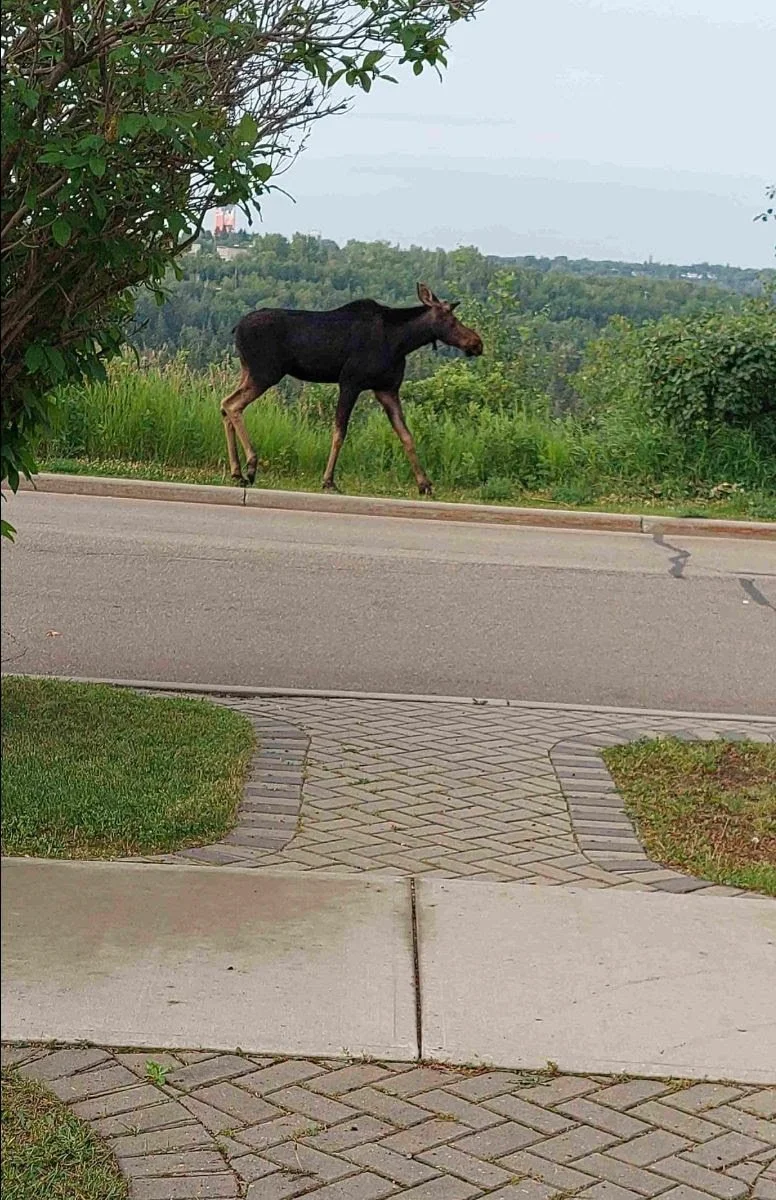
Moose on East Jasper Avenue, morning of July 25.

Comment or contribution
Please note that articles may not reflect the position of NSRVCS. River Valley News is meant to be a clearinghouse for the wide variety of opinions and ideas about Edmonton’s River Valley.

If you have a comment, concern, or question, contact us at nsrivervalley@gmail.com Please email us river valley photos or event information. Your friends, neighbours and colleagues can sign up for this newsletter on our web site https://www.edmontonrivervalley.org/

Sincerely yours,
Harvey Voogd
North Saskatchewan River Valley Conservation Society
780.691.1712

River Valley News - July 22, 2022

How much should a tree be worth
Along a street in Edmonton, mature trees sit protected by a green fence, near the construction of a new light-rail transit line. Signs affixed to the fence show the value of the foliage: A rosybloom crabapple tree is worth $1,389, while nearby a spruce is pegged at $2,185.

These price tags are somewhat of a common practice in Canada, where an assessment formula is used to determine the monetary value of a tree in case it is damaged or killed.

But forestry and biology experts say those dollar amounts do not fully capture the environmental value of trees in an urban landscape, especially as they play an increasingly important role in helping to deal with the effects of climate change.

Some of the benefits often unaccounted for, particularly in urban centres, include the cooling effect of trees and potential energy savings, their ability to capture carbon and their role in maintaining biodiversity. Read more at https://www.cbc.ca/news/science/value-of-a-tree-environmental-climate-impact-1.6511142

2022 Canadian city parks report includes Edmonton
This fourth annual Canadian City Parks report, published by Park People, synthesizes lessons learned from the global pandemic, along with data collected from over 3,000 Canadians who participated in an online survey. Top trends this year were a continued interest in park features that support daily life, including dog walking; growing, cooking or eating food; and getting some exercise on a multi-use trail.

Edmonton was highlighted as one of 20% of cities with a biodiversity strategy, one of 53% of cities with a park system master plan updated within the last 10 years, and being above average for percentage of park washrooms that are winterized, with 83% open year-round.

Thirty cities, including Edmonton, participated in the report by providing information. You can check out key park statistics, plans and strategies, and learn more about what made the city's parks stand out this year at https://ccpr.parkpeople.ca/2022/data/cities/edmonton

Nature-based solutions for climate, biodiversity and people
Experts recently gathered to discuss how nature-based solutions can be used to tackle the twin threats of climate change and biodiversity loss. Techniques considered included forest creation or mangrove restoration, which are increasingly appearing in climate strategies.

In theory, such projects could also help to reverse the loss of wildlife, provide economic boosts to local communities and strengthen resilience against climate impacts.

But the topic can be highly contentious because of conflicting narratives around nature-based solutions. The dominant narrative, held by governments and large organisations, is to view nature-based solutions as a useful tool for leveraging nature to suit our needs.

But among Indigenous communities and non-governmental organisations, nature-based solutions are often seen as a dangerous distraction from the need to cut emissions from fossil fuel use, which can perpetuate the existing unjust status quo. More at https://www.carbonbrief.org/nature-based-solutions-how-can-they-work-for-climate-biodiversity-and-people/

Wondering where to bike, walk or take your dog this weekend
Wayne writes “I would like to clarify misunderstanding that some cyclists have regarding the two-part motion recently passed by Council addressing the use of bikes in our river valley. Councillor Cartmell clarified that, as in the past, bicycles are not permitted anywhere within a designated natural reserve which includes the Whitemud Creek Ravine. Such areas are for foot traffic only. Below is part of Cartmell's clarification:

"The motion passed a couple of weeks ago allows cycling to continue where it has generally been permitted since 1992. With respect to mountain bikes, the motion allows mountain bikes to continue to use established trails, generally trails that have formed an accepted mountain biking network. The motion does NOT allow for new trails to be developed, and does NOT allow for trails to be developed in the Whitemud Creek Ravine. This area is and remains a protected natural reserve."

While most riders are respectful, some mistakenly believe the motion opened the entire river valley to bike riding everywhere. A great many folks with mobility limitations, the elderly, nature enthusiasts and those with young children in strollers, come to areas like Whitemud natural reserve to be able to wander along the trails freely and safely at their own pace.”

Comment or contribution
Please note that articles may not reflect the position of NSRVCS. River Valley News is meant to be a clearinghouse for the wide variety of opinions and ideas about Edmonton’s River Valley.

If you have a comment, concern, or question, contact us at nsrivervalley@gmail.com Please email us river valley photos or event information. Your friends, neighbours and colleagues can sign up for this newsletter on our web site https://www.edmontonrivervalley.org/

Sincerely yours,
Harvey Voogd
North Saskatchewan River Valley Conservation Society
780.691.1712

River Valley News - July 14, 2022

Lichens are excellent biological indicators
Lichens are everywhere, unsung, and awesome. Among their many virtues, lichens are excellent biological indicators, sensitive to habitat alteration, climate change, and air quality. How lichens are faring can reveal changes in habitat or environmental factors and give insight into how other groups that are more difficult to survey might be impacted.

Lichenologist Dr. Diane Haughland says, "Lichens have so much to tell us, but we have to know what we’re looking at. Lichens have historically been overlooked and understudied, so a big part of our work is rectifying that."

Diane and other collaborators moved closer to this goal with the publication of “Getting to know our biomonitor neighbours: urban lichens and allied fungi of Edmonton.” One of the first studies of its kind in North America, it covers 114 lichen species detected across Edmonton, including 12 new to Alberta, 2 new to North America, and 5 completely new to science.

Learn more by listening to a CBC Edmonton Radio interview with Diane at
https://www.cbc.ca/listen/live-radio/1-17-edmonton-am/clip/15923339-community-roots-lichen

Cooking Lake the summer place to be for early Edmontonians
With its cool breeze, Cooking Lake took off as a summer lake destination in 1909 when the Grand Trunk Pacific Line passed along its north shore. Day trippers came out from Edmonton on the morning train east, alighting at the small station of Cooking Lake. Part of the day’s fun was crossing the lake on the motor launch Daisy Girl that operated as a taxi to White Sand Beach on the south side at Ministik, where children built sandcastles before the evening return trip.
 
By 1916 many Edmontonians had cabins at Cooking Lake. A taxi service was available from the city and motorists increasingly ventured out for the day. More facilities and accommodations were built on the lake shore, which had a graded “lake promenade.” Lunch could be enjoyed at Mrs. McMenomy’s “high class restaurant,” and canoes and row boats hired by the hour.
 
Larger motor launches were evident on the lake in the 1920s and soon sea planes were landing on its waters, even before a seaplane base was built in 1935. The Cooking Lake Sea Plane Base was used recreationally, as well as by bush pilots returning from the north.
 
While other lakes around Edmonton enticed vacationers, Cooking Lake remained popular into the 1960s. Water levels and water quality at Cooking Lake have always fluctuated and sailors and swimmers became disenchanted during the 1970s. Read more at https://albertashistoricplaces.com/2014/08/21/when-it-was-cookin-hot/

Wondering where to bike, walk or take your dog this weekend
River Valley Alliance has created a series of Trek the Trails information guides for the Edmonton Metropolitan river valley that includes Devon, Parkland County, Edmonton, Strathcona County, Sturgeon County and Fort Saskatchewan.
 
The guides are a mix of short and long routes for beginners or those seeking more of a challenge. All are designed to help you easily explore different sections of the river valley. Information is provided on where to park and how to get to the location; whether bikes and dogs are allowed; condition, difficulty, and length of the trail; route information; as well as maps and photos.
 
From personal experience, I can attest to the quality of these information guides, having used them to walk all these trails. Trek the Trails is at https://rivervalley.ab.ca/trekthetrails/

Celebrating River Relationships
Edmonton River Valley Conservation Coalition and Swim Drink Fish are hosting an evening in the park to celebrate the natural diversity of Edmonton’s river valley and promote connection to nature within our local community. The event will be Wednesday, August 3 from 5:00 to 8:00 PM, at the Solar Gazebo, 9231-100 Avenue NW in Edmonton.
 
There will be a series of interactive displays by local community members and groups who strive to strengthen our connection to nature. The event is an opportunity for active participation. Enjoy snacks and refreshments, a water park, and a solar gazebo while deepening your understanding of water and wildlife in Edmonton's river valley.
 
Regardless of where you are in your nature literacy journey, you are welcome to attend. The event is free, made possible by a TD Parks People Grant, but you are asked to register your attendance at https://www.eventbrite.ca/e/celebrating-river-relationships-edmonton-ab-tickets-377361206527 

Photo by Marcia Bercov

Comment or contribution
Please note that articles may not reflect the position of NSRVCS. River Valley News is meant to be a clearinghouse for the wide variety of opinions and ideas about Edmonton’s River Valley.
 
If you have a comment, concern, or question, contact us at nsrivervalley@gmail.com Please email us river valley photos or event information. Your friends, neighbours and colleagues can sign up for this newsletter on our web site https://www.edmontonrivervalley.org/
 
Sincerely yours,
Harvey Voogd
North Saskatchewan River Valley Conservation Society
780.691.1712